Grinding Solutions for Manufacturing High-Precision Machine Components
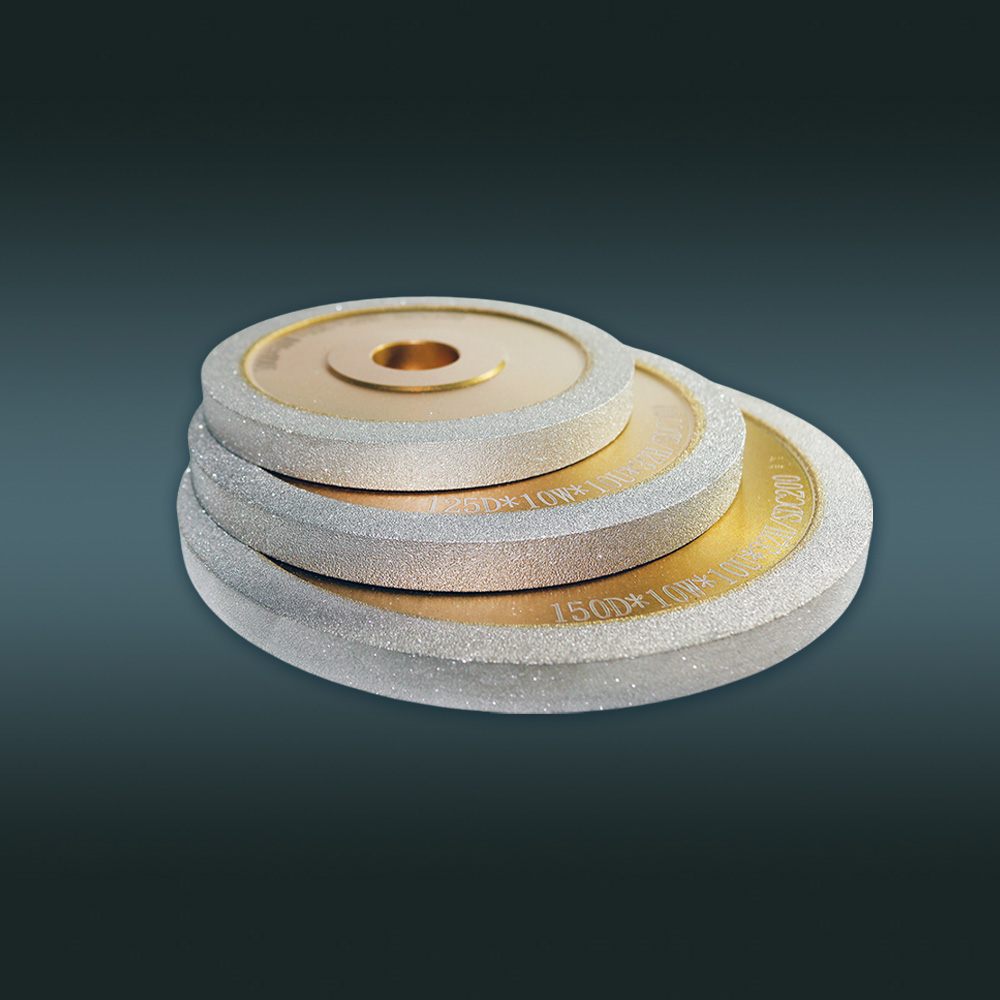
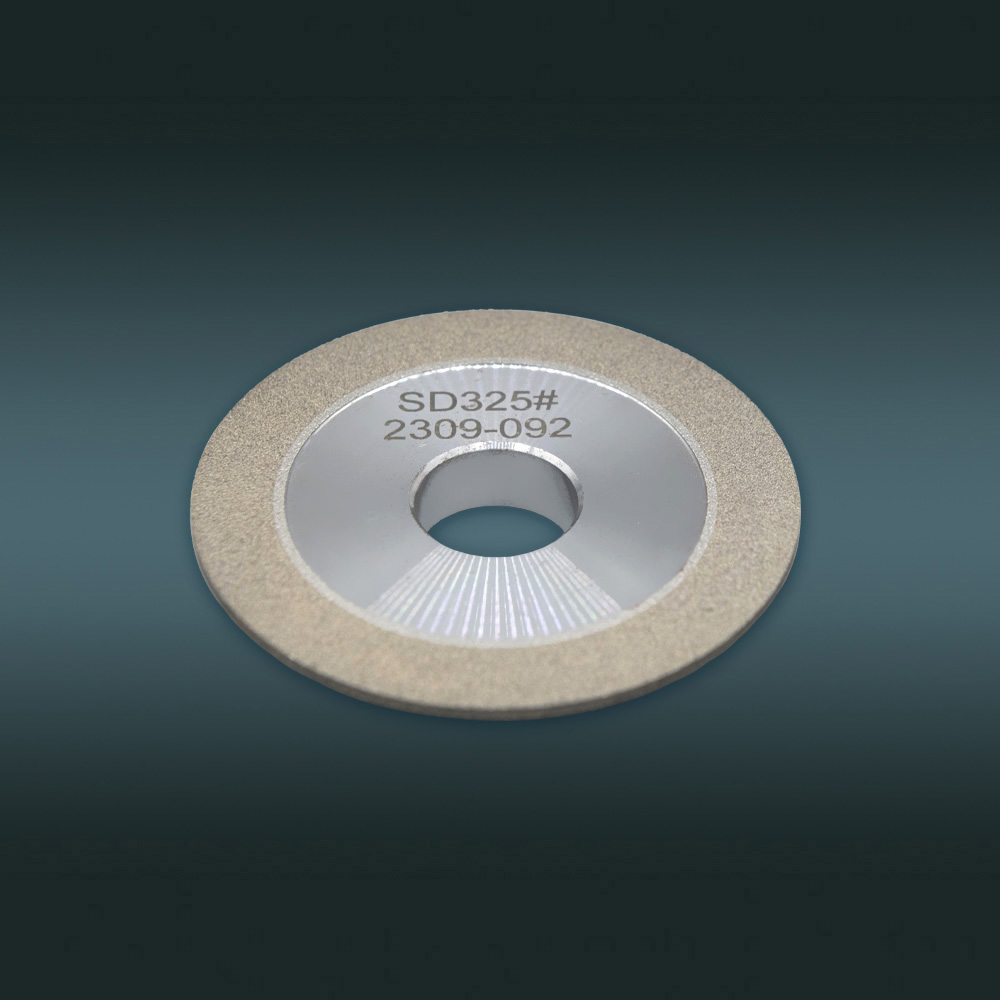
Manufacturing high-precision machine components requires grinding solutions that deliver excellent dimensional accuracy, consistent surface finishes, and reliable machining performance. Components such as cutting tools, molds, shafts, bearings, and precision mechanical parts often require tight tolerances that cannot be achieved through conventional machining alone. Selecting suitable grinding wheels and optimizing processing conditions are therefore essential for maintaining product quality and improving manufacturing efficiency. One of the most important considerations is choosing the correct abrasive material. Diamond and CBN are two widely used superhard abrasives in precision grinding. Diamond grinding wheels are suitable for hard materials such as cemented carbide, ceramics, glass, and other non-ferrous materials. CBN grinding wheels are particularly effective for hardened steels and other ferrous materials. Matching the abrasive to the workpiece helps achieve efficient material removal and consistent machining results.
Grit size has a direct influence on dimensional accuracy and surface quality. Coarse abrasive grains are generally used for rough grinding because they remove material efficiently. Fine-grit wheels are more suitable for finishing operations where smooth surfaces and precise dimensions are required. In high-precision manufacturing, choosing the appropriate grit size helps control surface roughness while maintaining the required production efficiency. The bond system is another important factor in precision grinding. Different bonding technologies provide different levels of abrasive retention, rigidity, and cutting performance. Resin bonds are often selected for applications requiring smooth grinding and good surface finishes. Metal and metal bronze bonds provide strong abrasive retention and durability. Vitrified bonds offer structural rigidity and controlled porosity, while electroplated and brazed grinding wheels are useful for specialized applications requiring defined abrasive exposure and complex profiles.
Machine stability also plays a significant role in achieving precision results. Even a high-quality grinding wheel may produce inconsistent outcomes if the machine has excessive vibration, spindle runout, or insufficient rigidity. Proper wheel mounting, balancing, machine alignment, and workpiece clamping help maintain stable grinding conditions. These factors are especially important when manufacturing components with complex geometries or extremely tight dimensional tolerances. Controlling grinding parameters is equally important. Wheel speed, feed rate, depth of cut, and coolant delivery all influence material removal, heat generation, and surface finish. Excessive grinding forces or temperatures may cause surface damage, dimensional changes, or residual stresses in the workpiece. Manufacturers should optimize these parameters according to the material, wheel specifications, and machine capabilities rather than relying on a single operating setting for every application.

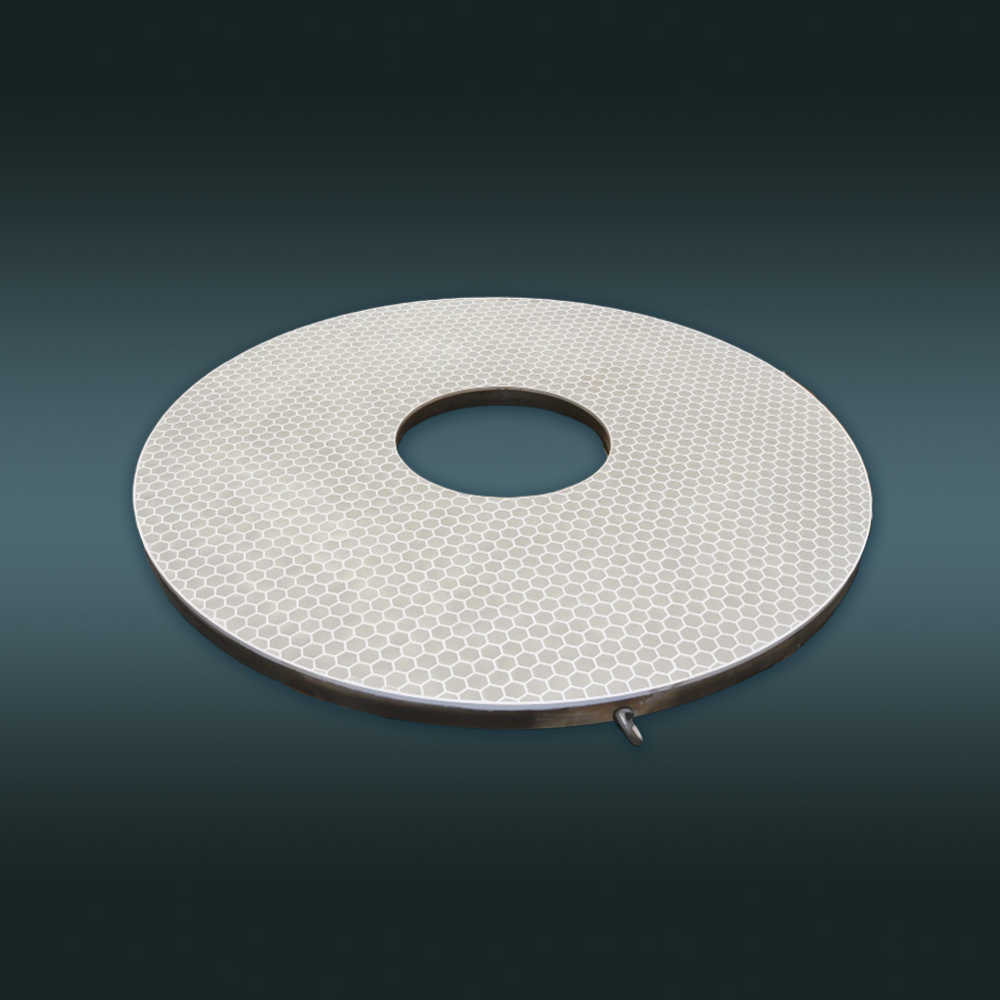
Thermal management is particularly important when processing precision components. Grinding generates heat through abrasive contact and friction. If this heat is not controlled effectively, it may affect the workpiece surface and compromise dimensional stability. Appropriate coolant selection and delivery can help remove heat and grinding debris from the contact area. Suitable abrasive and bond combinations can also contribute to more stable grinding behavior. For components with complicated shapes, customized grinding wheels can provide additional advantages. Special wheel profiles, dimensions, abrasive concentrations, and bonding systems can be developed to meet specific machining requirements. Customized solutions are particularly useful in cutting tool production, mold manufacturing, precision ceramics, optical component processing, and other industries where standard grinding wheels may not provide the required geometry or performance.
Regular wheel maintenance helps maintain consistent machining accuracy over time. Depending on the wheel type, dressing or conditioning may be necessary to restore cutting ability, maintain the required profile, or remove accumulated material. Monitoring wheel wear and inspecting finished components can help manufacturers identify changes in grinding performance before they lead to significant quality problems. Quality inspection should also be integrated into the entire grinding process. Important indicators include dimensional accuracy, surface roughness, profile consistency, and wheel condition. Manufacturers can use appropriate measuring instruments and inspection procedures to verify that finished components meet technical requirements. Monitoring these indicators throughout production helps reduce defects and maintain consistent quality across different batches.
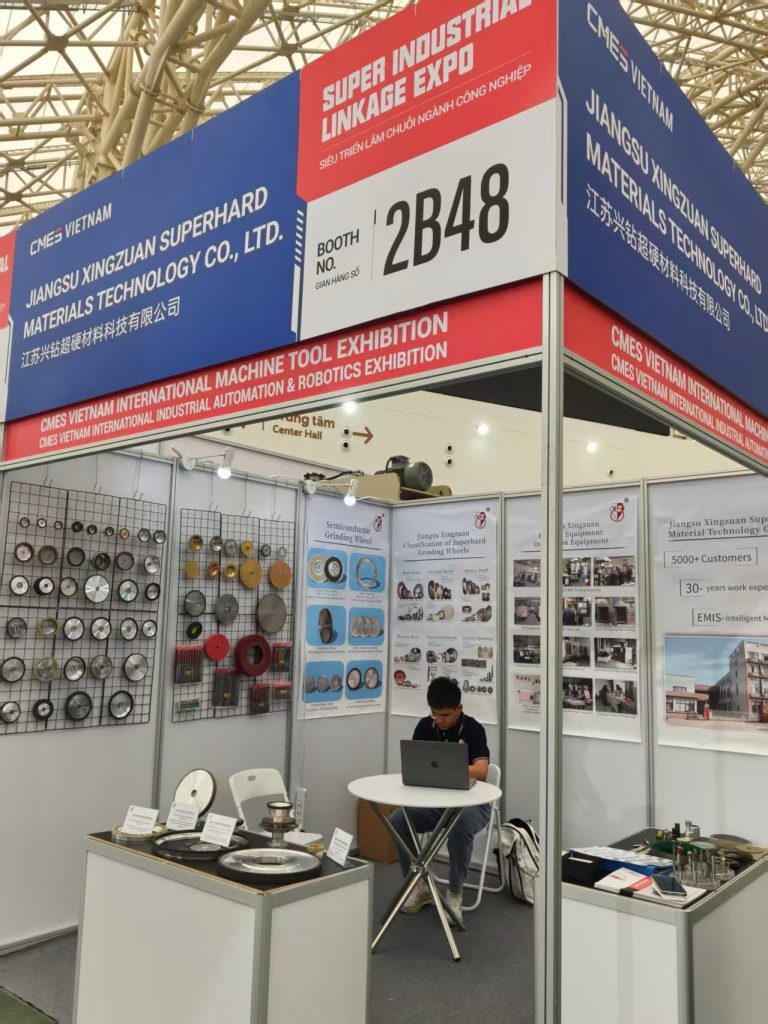
Jiangsu Xingzuan Superhard Material Technology Co., Ltd., established in 2003, specializes in the research, development, and production of diamond and CBN superhard material grinding tools. Its product range includes electroplating, metal bronze, resin, vitrified, and brazing series. These grinding solutions serve various industries, including cutting tools, molds, automotive components, aerospace, medical devices, optical products, semiconductor processing, and precision ceramics. In conclusion, manufacturing high-precision machine components requires a combination of suitable abrasive materials, appropriate bond systems, optimized grinding parameters, stable equipment, and effective quality control. The right grinding solution can help manufacturers achieve tighter dimensional tolerances, better surface finishes, and more consistent production results. By selecting grinding wheels according to specific material and machining requirements, manufacturers can improve precision while maintaining long-term operational efficiency.