Quality Inspection Standards for Superhard Grinding Tools
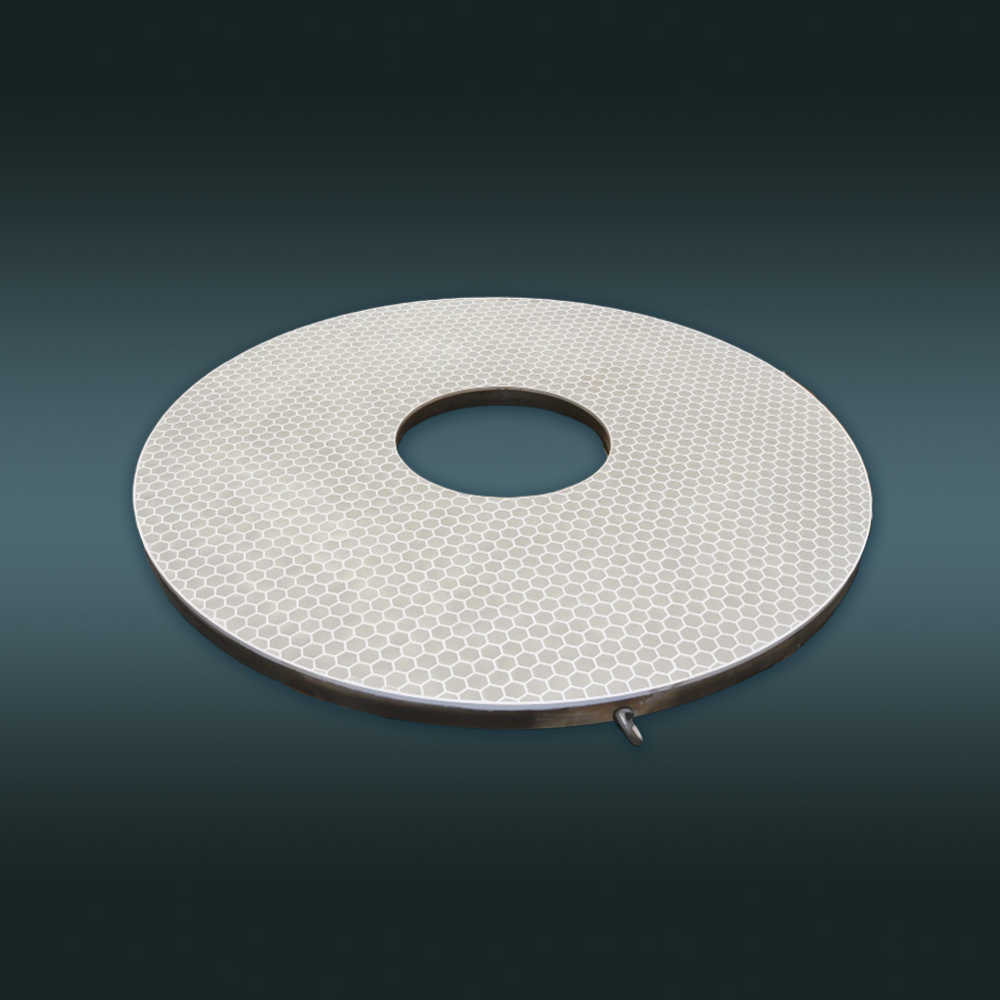
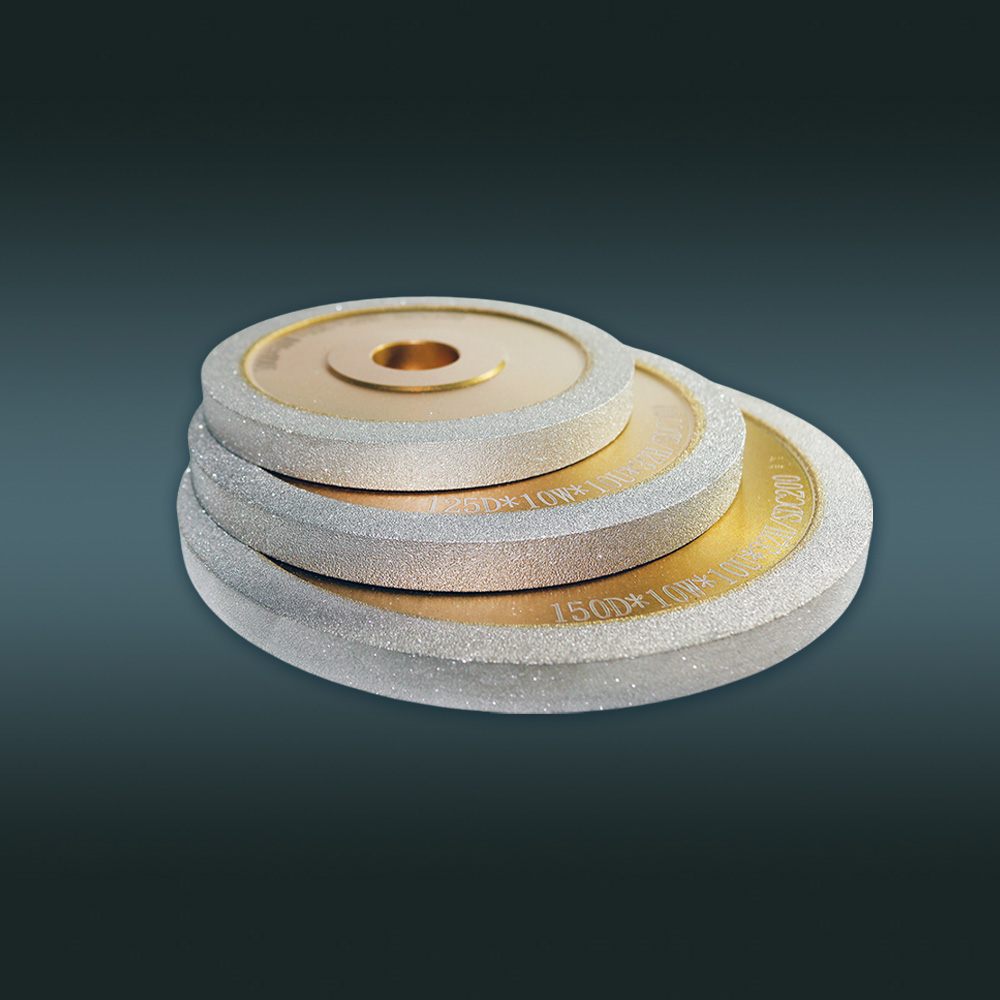
Quality inspection is essential in the manufacturing of superhard grinding tools because diamond and CBN grinding wheels are widely used in applications requiring high precision, consistent performance, and reliable tool life. In industries such as automotive manufacturing, aerospace, mold production, semiconductor processing, and precision ceramics, grinding tool quality can directly affect machining accuracy and production efficiency. Effective inspection procedures help identify defects, maintain product consistency, and ensure that grinding wheels meet the requirements of their intended applications. Dimensional accuracy is one of the first factors to evaluate. Important measurements include wheel diameter, thickness, bore size, profile geometry, and abrasive working-layer dimensions. These parameters should conform to the product drawings and agreed technical specifications. Accurate dimensions support proper installation and alignment, particularly in CNC grinding machines and automated production lines where consistent positioning is necessary for reliable machining results.
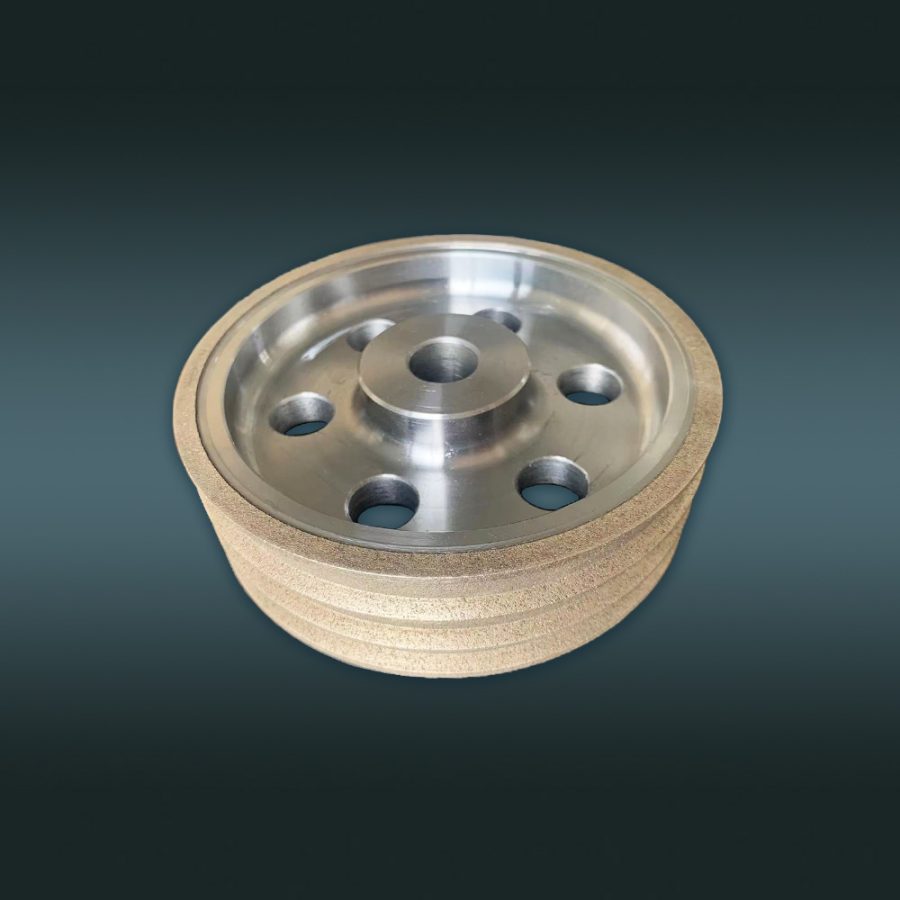
Abrasive quality is another important inspection area. Diamond and CBN abrasives are available in different grit sizes and concentrations to meet various grinding requirements. Manufacturers should verify that the abrasive specifications match the intended application. Consistency in abrasive characteristics helps maintain predictable cutting behavior, while suitable abrasive distribution can contribute to stable material removal and surface quality. Bond integrity also plays a major role in grinding wheel reliability. Different products use resin, metal bronze, vitrified, electroplated, or brazed bonding systems, each with distinct structural characteristics. Inspection should focus on whether the bond has been properly formed and whether abrasive grains are adequately retained. For bonded grinding wheels, the strength and uniformity of the bond structure can influence wear resistance, cutting performance, and service life.
Visual and surface inspections help identify manufacturing defects before products are delivered. Inspectors may check for cracks, chips, uneven surfaces, abnormal profiles, and other visible irregularities. Depending on the wheel construction, microscopic examination may also help assess abrasive exposure and working-layer consistency. Any inspection method should be appropriate for the product design and should follow established acceptance criteria. For electroplated and brazed grinding tools, working-layer quality requires particular attention. The abrasive layer should meet the specified thickness, coverage, and distribution requirements. Inconsistent abrasive placement or an irregular working surface may affect cutting efficiency and machining accuracy. For resin, metal, and vitrified wheels, inspection may place greater emphasis on bond structure, abrasive distribution, porosity where applicable, and overall dimensional consistency.
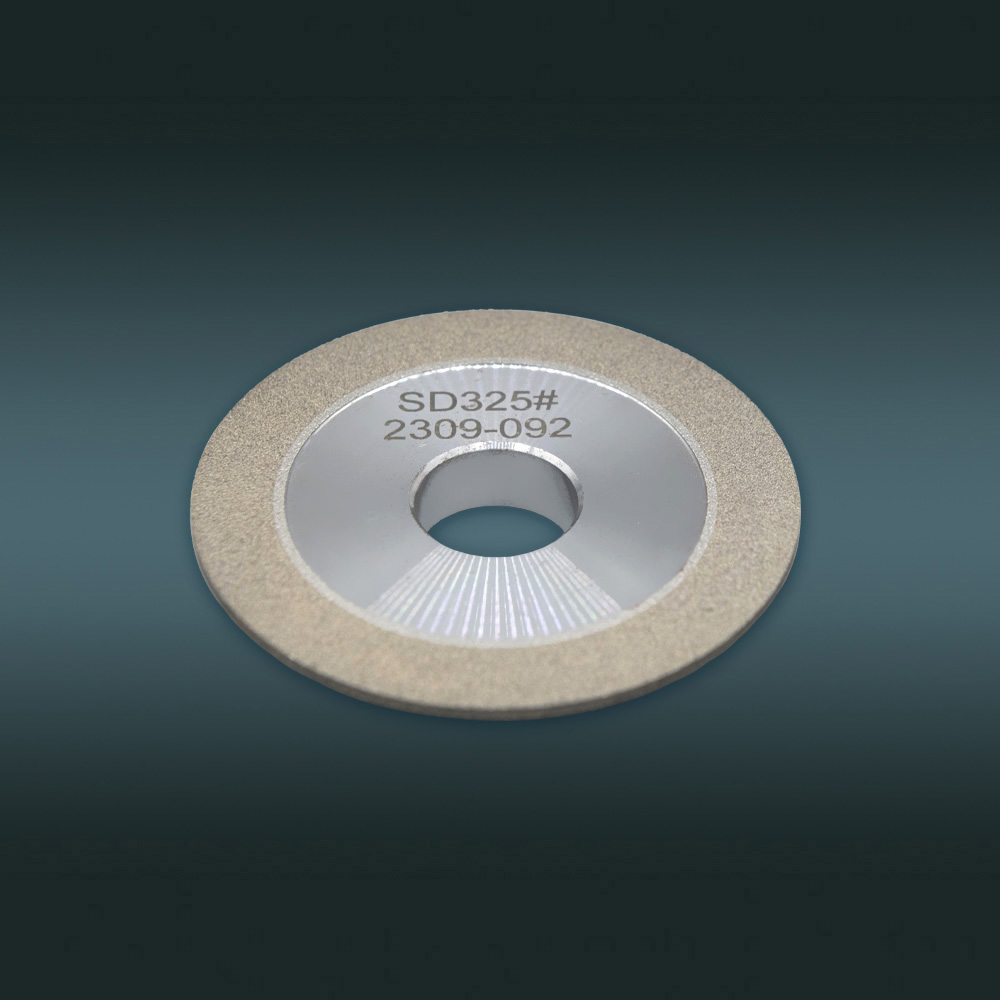
Wheel balance and runout are also important, especially in precision and high-speed grinding applications. Excessive imbalance can contribute to vibration, uneven wear, and poor surface finish. Excessive runout may cause inconsistent contact between the wheel and workpiece. Appropriate measurement procedures help determine whether a wheel meets the requirements for its intended operating conditions. Acceptance limits should be based on the relevant product specifications and applicable standards. Performance testing provides additional information beyond visual and dimensional checks. Depending on the application, manufacturers may evaluate material removal behavior, surface roughness, wear characteristics, grinding stability, or dimensional consistency during representative machining trials. Since results depend on the workpiece material, machine, coolant, and operating parameters, performance evaluations should use clearly defined and repeatable test conditions.
Manufacturing process control is equally important. Inspecting incoming materials, monitoring production stages, and checking finished products can help reduce variation between batches. Maintaining records of abrasive specifications, bonding processes, inspection results, and batch information also supports traceability. For industrial customers, consistent documentation makes it easier to evaluate incoming products and investigate performance differences when they occur. Safety inspection must remain a priority. Grinding wheels should be checked for damage and verified against the manufacturer's specifications before use. Maximum operating speed, wheel dimensions, mounting requirements, and machine compatibility must be considered. Applicable standards and inspection requirements vary according to wheel type, construction, and intended use, so manufacturers should identify the appropriate requirements rather than applying one universal checklist to every product.
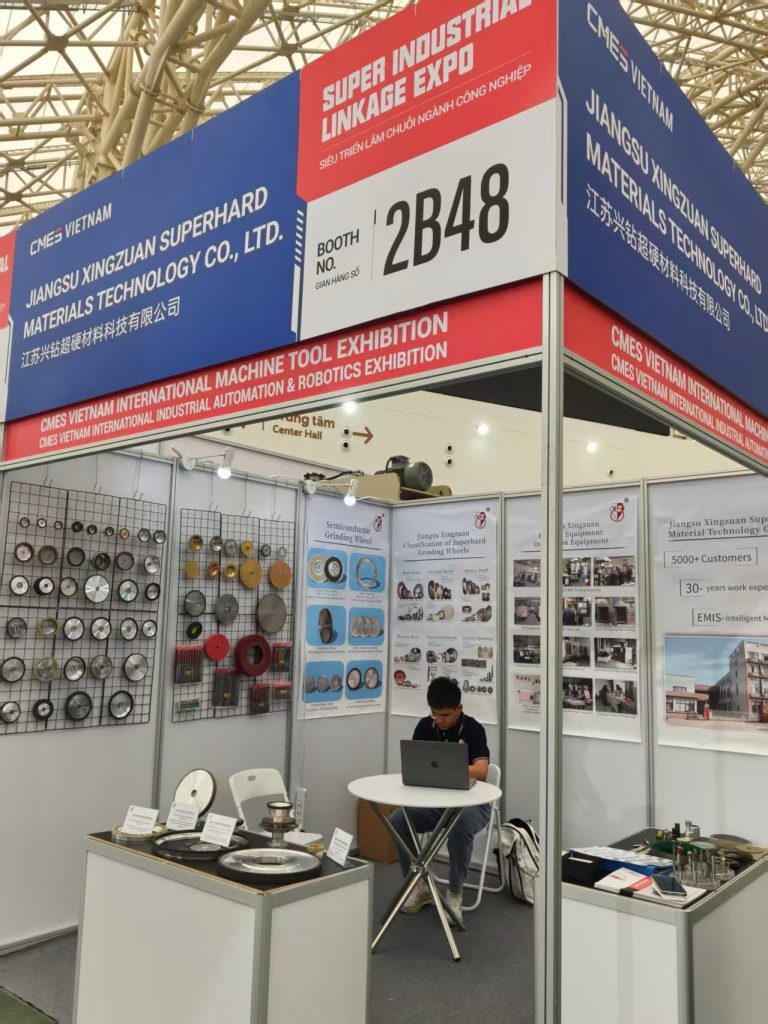
Jiangsu Xingzuan Superhard Material Technology Co., Ltd., established in 2003, specializes in the research, development, and production of diamond and CBN superhard material grinding tools. Its product range includes electroplating, metal bronze, resin, vitrified, and brazing series for applications involving cutting tools, molds, automotive components, aerospace, medical products, optical components, semiconductors, and precision ceramics. Appropriate inspection procedures are important for maintaining consistency across these different product types and applications. In conclusion, quality inspection for superhard grinding tools should cover dimensional accuracy, abrasive specifications, bond integrity, working-layer condition, balance, runout, performance, and safety. The exact inspection criteria should reflect the wheel's design, manufacturing process, applicable standards, and customer requirements. By combining systematic quality control with suitable testing and traceability, manufacturers can improve product reliability and help customers achieve consistent grinding performance in demanding industrial environments.