How to Increase Grinding Efficiency Without Sacrificing Surface Quality
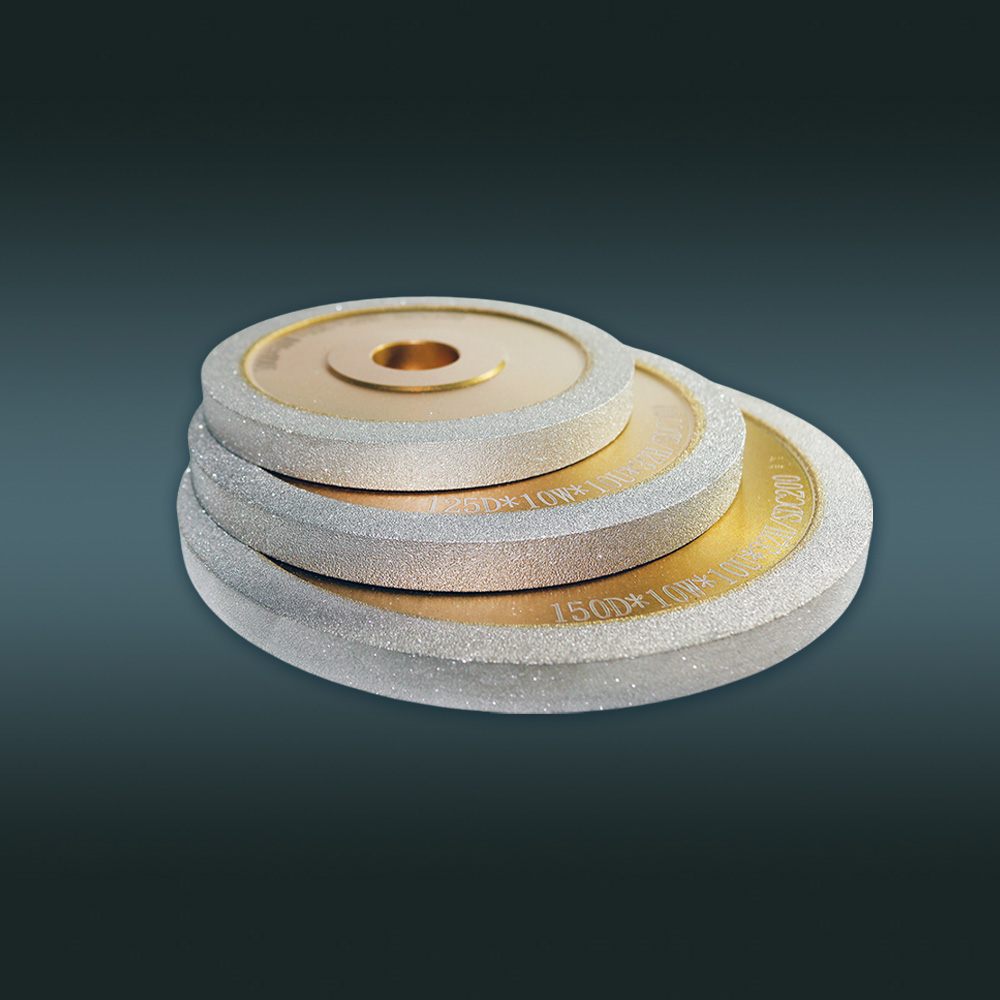
Grinding efficiency is a major concern in precision manufacturing, where companies must balance production speed, dimensional accuracy, and surface finish. Increasing material removal rates can improve productivity, but excessive grinding force or heat may damage the workpiece and reduce product quality. By selecting suitable grinding wheels and optimizing machining parameters, manufacturers can improve efficiency while maintaining consistent surface quality. Choosing the right abrasive is the first step toward better grinding performance. Diamond grinding wheels are widely used for hard materials such as carbide, ceramics, glass, and other non-ferrous or brittle materials. CBN grinding wheels are particularly suitable for hardened steels and other ferrous materials. Matching the abrasive to the workpiece helps achieve effective cutting action, control wear, and maintain stable machining results.
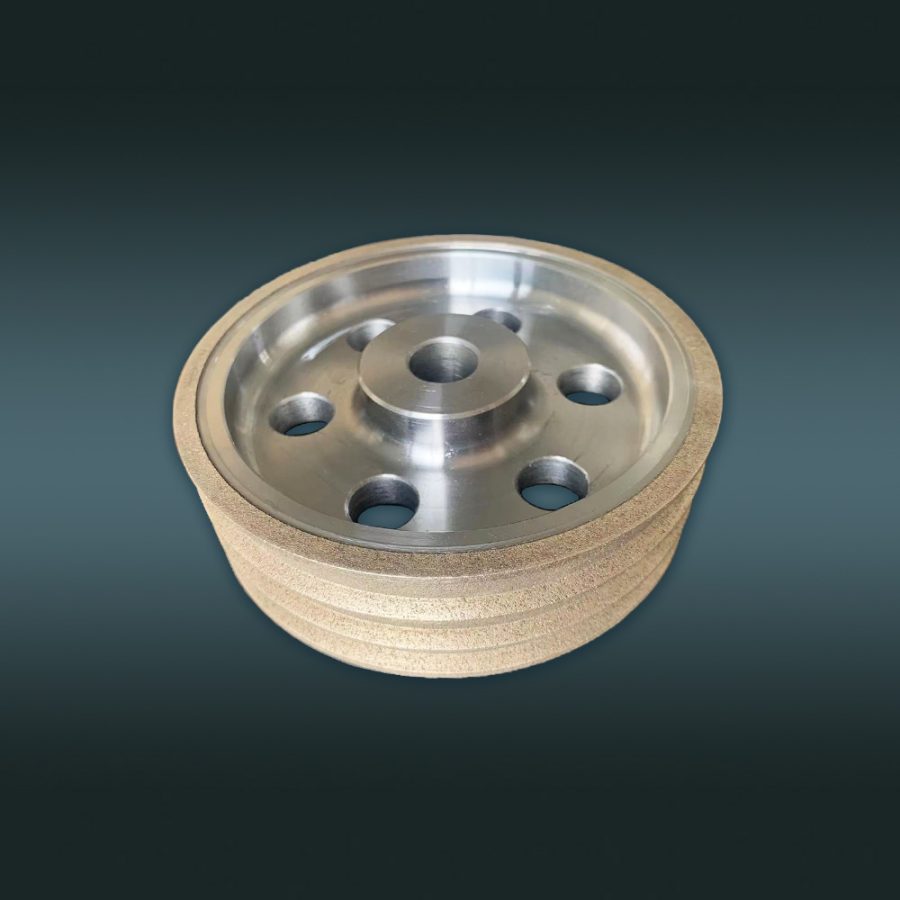
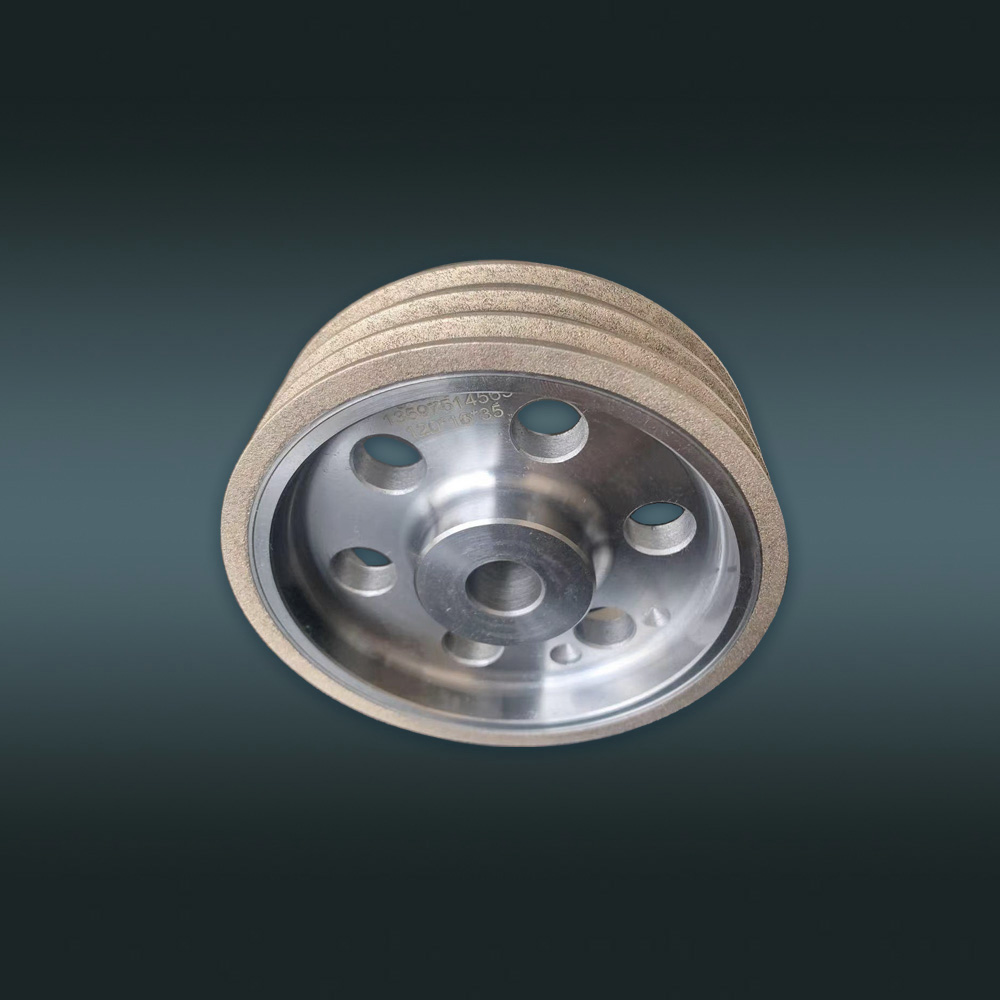
Grit size also influences the balance between efficiency and surface finish. Coarser abrasive grains generally support faster material removal, making them useful for rough grinding operations. Finer grains are typically preferred for finishing processes that require smoother surfaces and tighter tolerances. In many manufacturing applications, using separate wheels for roughing and finishing can improve overall productivity without compromising the final result. Selecting the appropriate bond type is equally important. Resin bonds can provide smooth cutting action for applications requiring good surface quality. Metal and metal bronze bonds offer strong abrasive retention and are suitable for various demanding grinding operations. Vitrified bonds can provide rigidity and controlled porosity, while electroplated and brazed grinding wheels are useful for specialized applications that require defined abrasive exposure or complex profiles. The ideal bond depends on the workpiece, machine, and grinding conditions.
Optimizing wheel speed, feed rate, and depth of cut can further improve efficiency. Increasing the feed rate or depth of cut may reduce cycle time, but excessive adjustments can increase grinding forces, heat, and vibration. Similarly, a higher wheel speed does not always produce better results. Manufacturers should evaluate these parameters together and establish operating conditions that provide an appropriate balance between material removal and surface quality. Heat management is another critical factor. Excessive heat during grinding can cause surface burns, residual stresses, dimensional changes, or other defects. Proper coolant selection and delivery help remove heat and grinding debris from the contact zone. Coolant flow should reach the actual grinding area effectively rather than simply being directed toward the general vicinity of the wheel. Suitable wheel specifications and stable machine conditions can also help control heat generation.
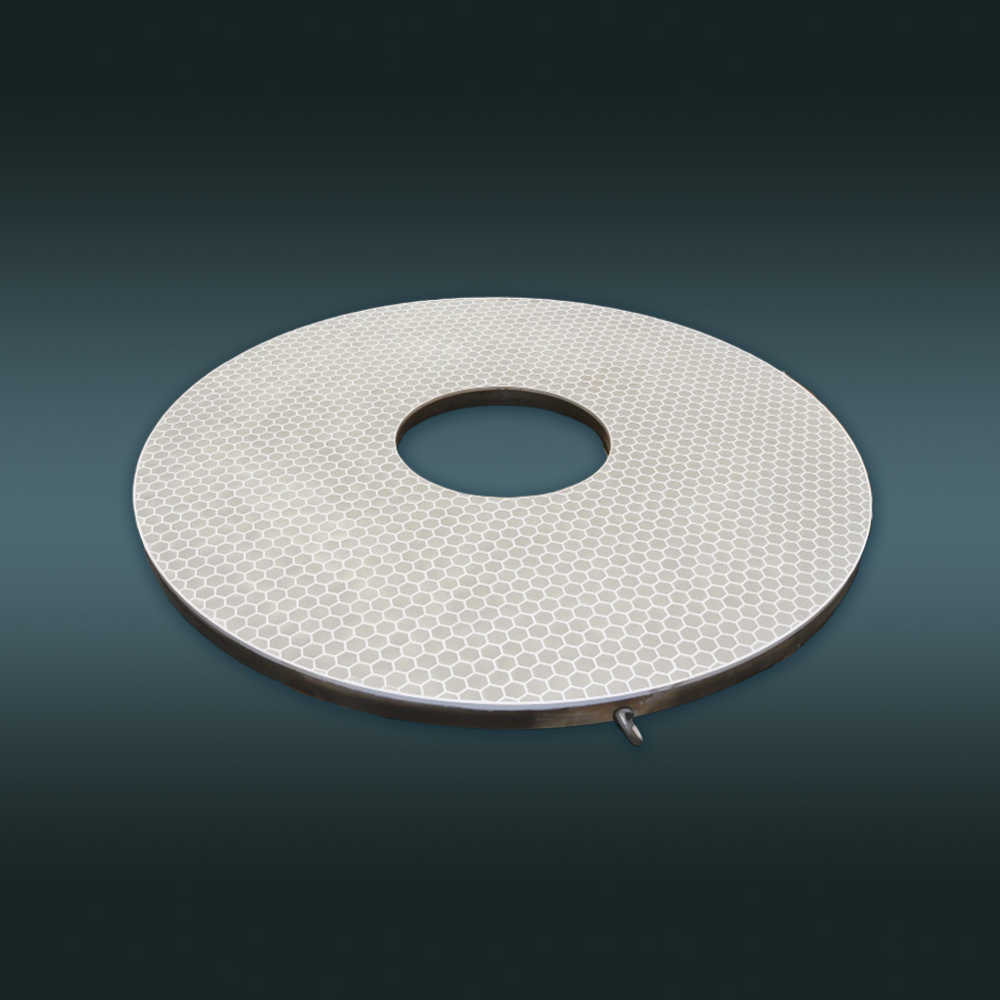
Regular wheel maintenance contributes to consistent performance. Depending on the wheel type and application, dressing or conditioning may be needed to restore cutting ability, remove loading, or maintain the required profile. A wheel that becomes dull or clogged may require greater grinding force and generate more heat. Monitoring wheel condition and following appropriate maintenance procedures can help prevent declining performance and unnecessary production interruptions. Machine stability and wheel balancing should not be overlooked. Vibration can affect surface finish, dimensional accuracy, and wheel wear. Proper wheel mounting, spindle maintenance, workpiece clamping, and machine alignment help create stable grinding conditions. For precision components, controlling vibration can be just as important as adjusting speed or feed rate.
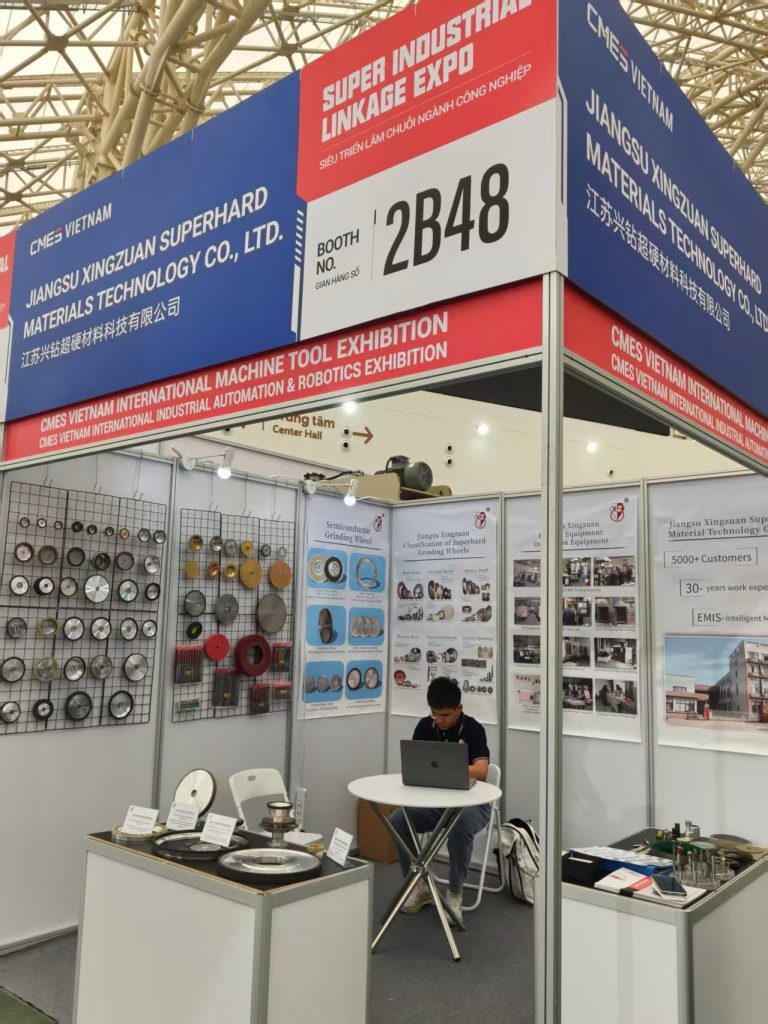
Manufacturers should also monitor key production indicators, including cycle time, surface roughness, dimensional variation, wheel consumption, and rejection rates. Evaluating these factors together provides a clearer picture of grinding efficiency than measuring material removal alone. Controlled trials can help identify the most effective combination of wheel specifications and machining parameters for each production task. Jiangsu Xingzuan Superhard Material Technology Co., Ltd., established in 2003, specializes in the research, development, and production of diamond and CBN superhard material grinding tools. Its product range includes electroplating, metal bronze, resin, vitrified, and brazing series. These products serve industries such as cutting tool manufacturing, mold processing, automotive production, aerospace, medical devices, optical components, semiconductor processing, and precision ceramics.
In conclusion, increasing grinding efficiency without sacrificing surface quality requires a coordinated approach to abrasive selection, grit size, bond type, operating parameters, coolant delivery, and machine maintenance. The objective is not simply to remove more material in less time, but to achieve stable productivity while meeting quality requirements. By matching the grinding wheel to the application and carefully optimizing the process, manufacturers can improve production efficiency, reduce avoidable downtime, and maintain reliable machining results.