Choosing the Best Grinding Wheel for High-Volume Manufacturing
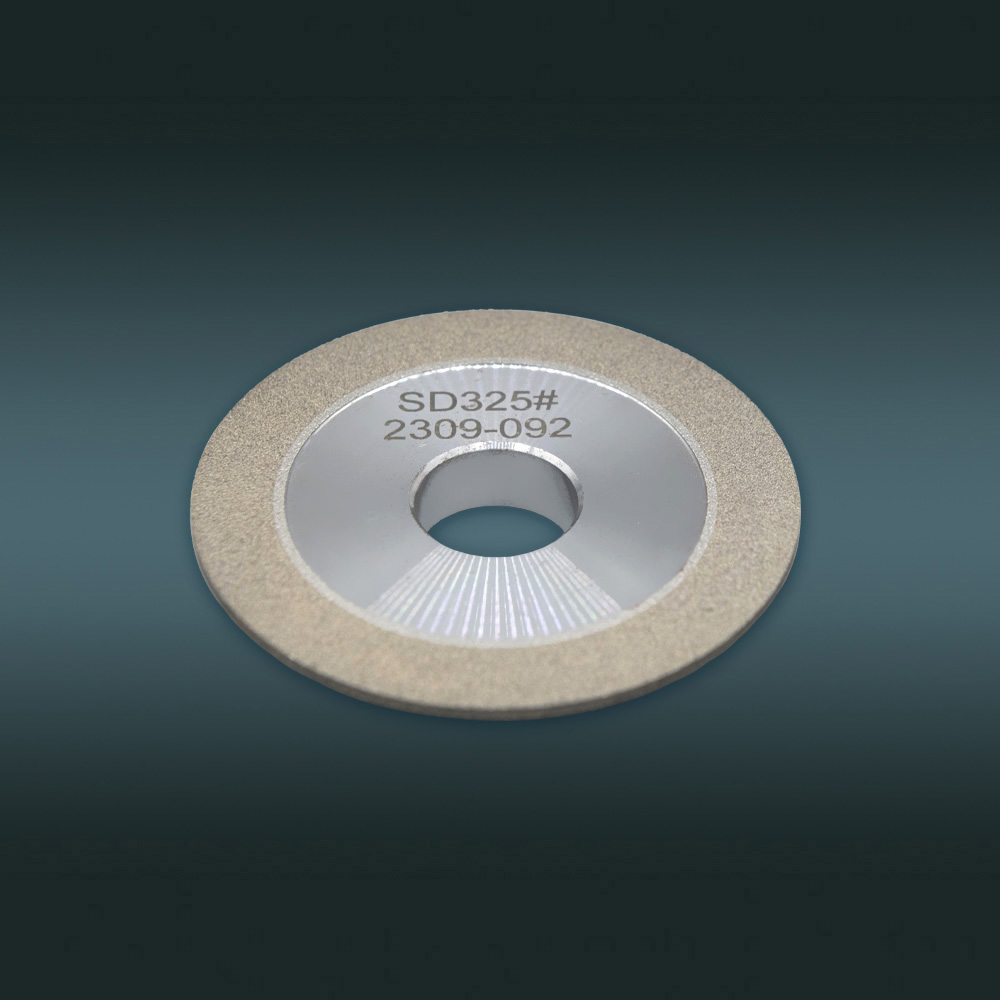
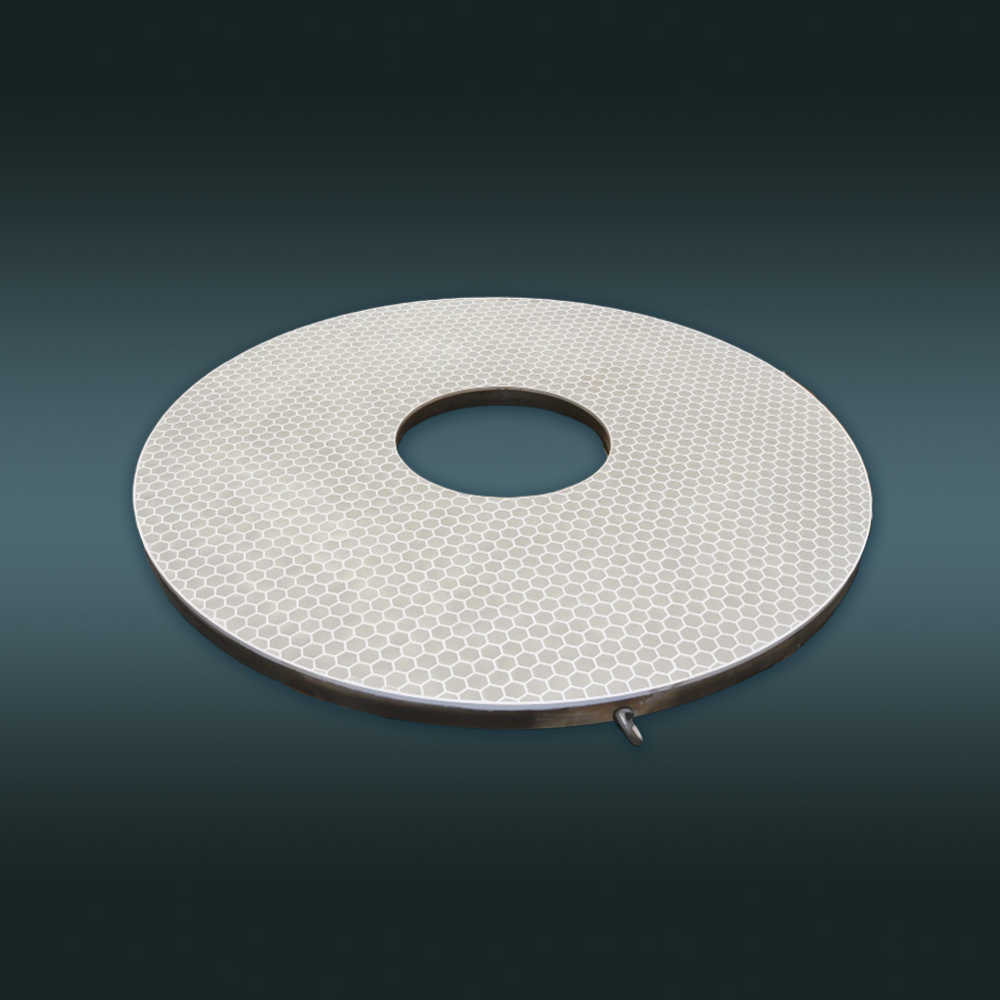
High-volume manufacturing requires grinding tools that can deliver consistent performance, high productivity, and reliable quality throughout extended production cycles. When manufacturers process large quantities of components every day, even small variations in grinding performance can affect production efficiency and operating costs. Choosing the right grinding wheel is therefore essential for maintaining stable machining results, reducing downtime, and achieving consistent product quality. The first factor to consider is the workpiece material. Different materials require different abrasive characteristics. Diamond grinding wheels are widely used for processing hard and brittle materials such as cemented carbide, ceramics, glass, optical components, and certain non-ferrous materials. CBN grinding wheels are particularly suitable for hardened steels and other ferrous materials. Selecting the correct abrasive helps improve cutting efficiency and reduce unnecessary wheel wear during continuous production.
Grit size is another important consideration. Coarse grit grinding wheels are generally suitable for rough grinding because they can remove material efficiently. Fine grit wheels are more appropriate for finishing operations that require smooth surfaces and precise dimensions. In high-volume manufacturing, selecting the right grit size helps balance material removal rates with surface quality. Some production processes use separate wheels for roughing and finishing to achieve better overall efficiency. Abrasive concentration also influences grinding wheel performance. It determines how much diamond or CBN abrasive is contained within the working layer. An appropriate concentration can help balance cutting ability, abrasive retention, and wheel service life. If the concentration is unsuitable, manufacturers may experience inefficient cutting, excessive wear, or inconsistent machining results. The ideal specification should be determined according to the workpiece material and grinding conditions.
The bond type plays an equally important role in selecting a grinding wheel. Different bonding systems offer different characteristics in terms of abrasive retention, rigidity, cutting behavior, and wear resistance. Resin bonds are commonly selected for applications requiring smooth cutting and good surface quality. Metal and metal bronze bonds offer strong abrasive retention and durability. Vitrified bonds provide a rigid structure with controlled porosity, while electroplated and brazed grinding wheels are suitable for specialized applications requiring specific abrasive exposure or wheel profiles. Wheel dimensions and geometry should match the grinding machine and production requirements. Diameter, thickness, bore size, and working profile can influence machining stability and accuracy. For automated and CNC manufacturing lines, dimensional consistency is particularly important because it helps maintain predictable wheel positioning and grinding results. Customized wheel designs may be necessary when processing components with complex shapes or specialized grinding requirements.
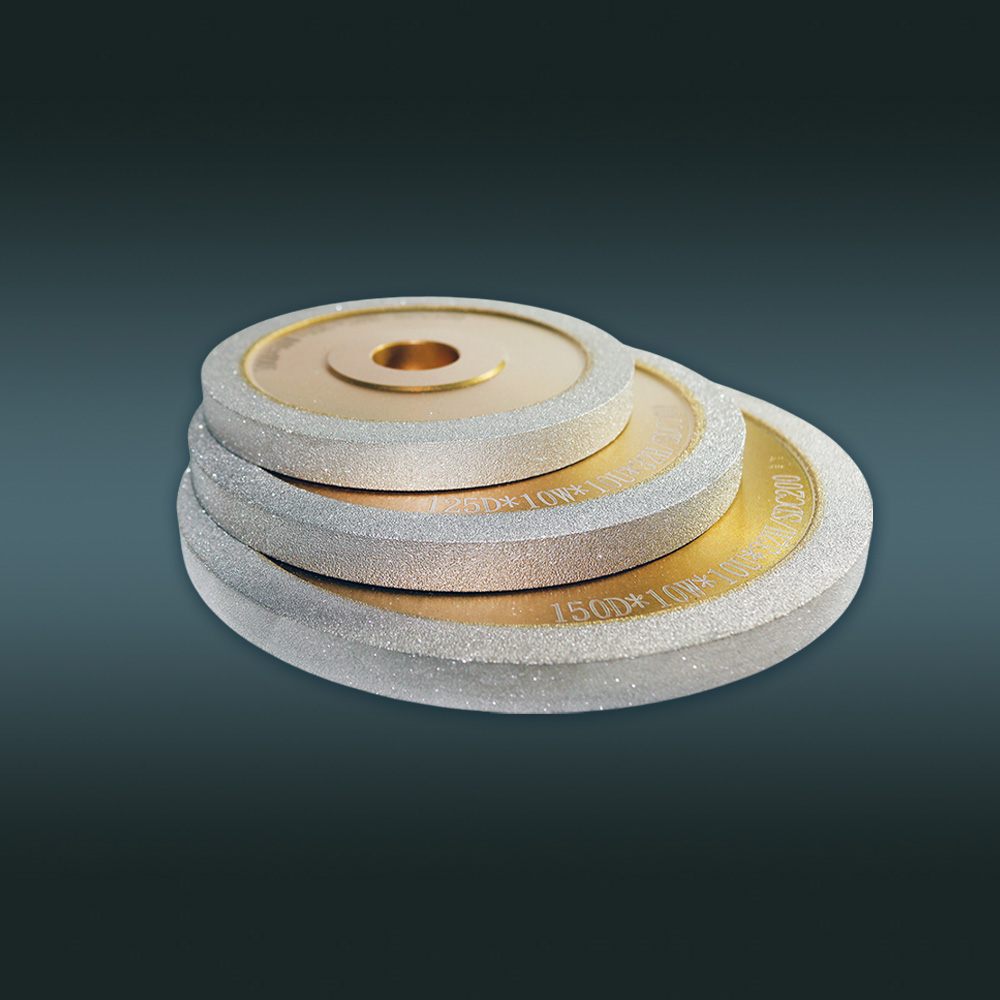
Operating conditions should also be evaluated before choosing a grinding wheel. Wheel speed, feed rate, depth of cut, coolant delivery, and machine rigidity all influence machining performance. A wheel that performs effectively under one set of conditions may not deliver the same results on another production line. Manufacturers should consider the entire grinding process rather than selecting a wheel based on abrasive type alone. All operating parameters must remain within the wheel manufacturer's specified limits. Wheel service life and maintenance requirements are especially important in high-volume production. Frequent wheel replacement can interrupt manufacturing schedules and increase operating expenses. A suitable grinding wheel should maintain stable cutting performance while providing an appropriate balance between wear resistance and material removal efficiency. Regular monitoring of wheel condition and timely dressing or conditioning, where applicable, can also help maintain consistent performance.
Consistency between production batches is another factor that manufacturers should consider when choosing a supplier. Variations in abrasive distribution, bond characteristics, or wheel dimensions can lead to differences in machining results. Reliable manufacturing processes and systematic quality inspection help reduce these variations. For companies operating continuous production lines, stable product specifications can simplify process management and reduce the need for frequent machine adjustments. Customization offers additional benefits for manufacturers with specialized requirements. Depending on the application, grinding wheels may need specific abrasive types, grit sizes, concentrations, bond systems, dimensions, or profiles. Working with an experienced grinding tool manufacturer can help companies identify suitable specifications for their materials and equipment. This approach can improve compatibility with existing production systems and support long-term manufacturing efficiency.
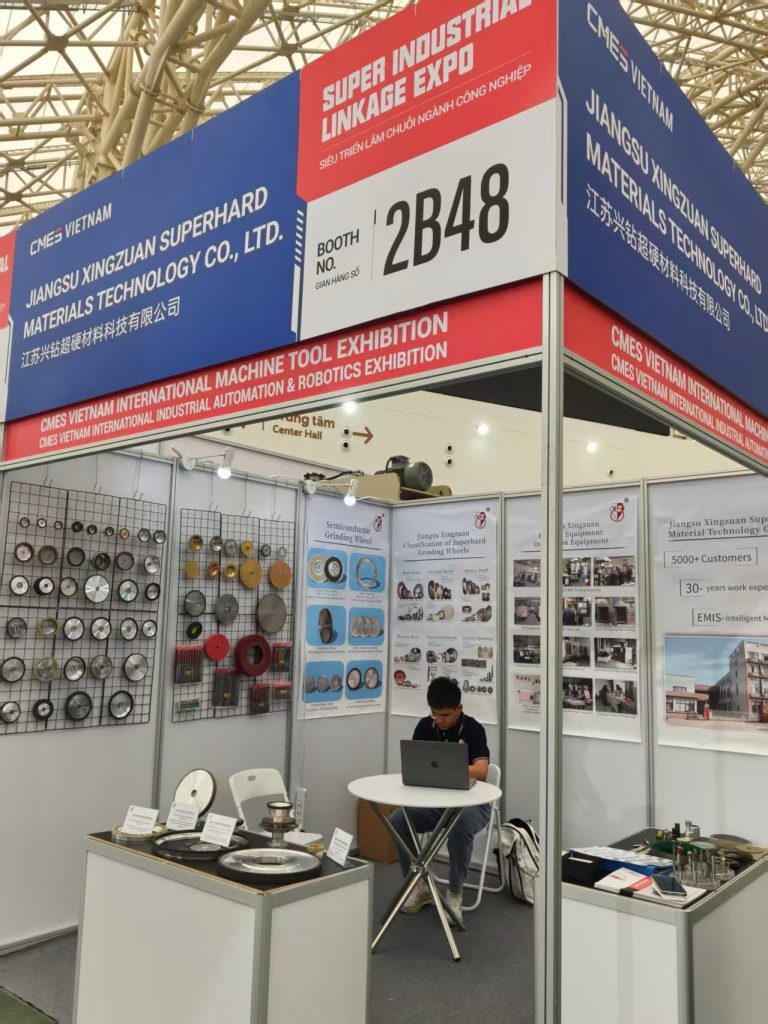
Jiangsu Xingzuan Superhard Material Technology Co., Ltd., established in 2003, specializes in the research, development, and production of diamond and CBN superhard material grinding tools. Its product range includes electroplating, metal bronze, resin, vitrified, and brazing series. These products serve industries such as cutting tool manufacturing, mold processing, automotive production, aerospace, medical devices, optical components, semiconductor processing, and precision ceramics. In conclusion, choosing the best grinding wheel for high-volume manufacturing requires careful consideration of abrasive type, grit size, concentration, bond characteristics, wheel geometry, and operating conditions. The right combination can help manufacturers improve productivity, maintain dimensional accuracy, extend wheel service life, and reduce unnecessary production interruptions. By matching grinding wheel specifications to actual manufacturing requirements, companies can establish more efficient and reliable grinding processes.