The Relationship Between Grinding Wheel Speed and Machining Performance
Grinding wheel speed is a critical factor affecting machining performance, surface quality, production efficiency, and tool life. In precision manufacturing, selecting the appropriate wheel speed helps ensure that grinding operations remain stable and consistent. For manufacturers working with hard materials such as carbide, ceramics, hardened steel, and precision components, understanding the relationship between wheel speed and machining results is essential for achieving reliable production outcomes. Grinding wheel speed generally refers to the speed at which the wheel's working surface moves past the workpiece. It is commonly expressed in meters per second (m/s). Wheel speed is different from spindle rotational speed, which is measured in revolutions per minute (RPM). The relationship between these values depends on the wheel's diameter. Understanding both measurements helps operators configure grinding equipment correctly and maintain suitable operating conditions.
One of the most significant effects of wheel speed is its influence on material removal rate. Increasing wheel speed within the recommended operating range may allow abrasive grains to interact with the workpiece more frequently, potentially improving grinding productivity. However, higher speed does not automatically guarantee faster material removal. Feed rate, depth of cut, abrasive type, grit size, bond characteristics, and workpiece material also influence the final result. The optimal combination depends on the specific grinding application. Wheel speed also affects surface finish and dimensional accuracy. At an appropriate speed, diamond or CBN abrasive grains can produce controlled cutting action and help achieve consistent surface quality. If the speed is poorly matched to the process, the grinding operation may generate excessive heat, vibration, or uneven material removal. These issues can lead to surface defects or dimensional variations, particularly when machining components that require tight tolerances.
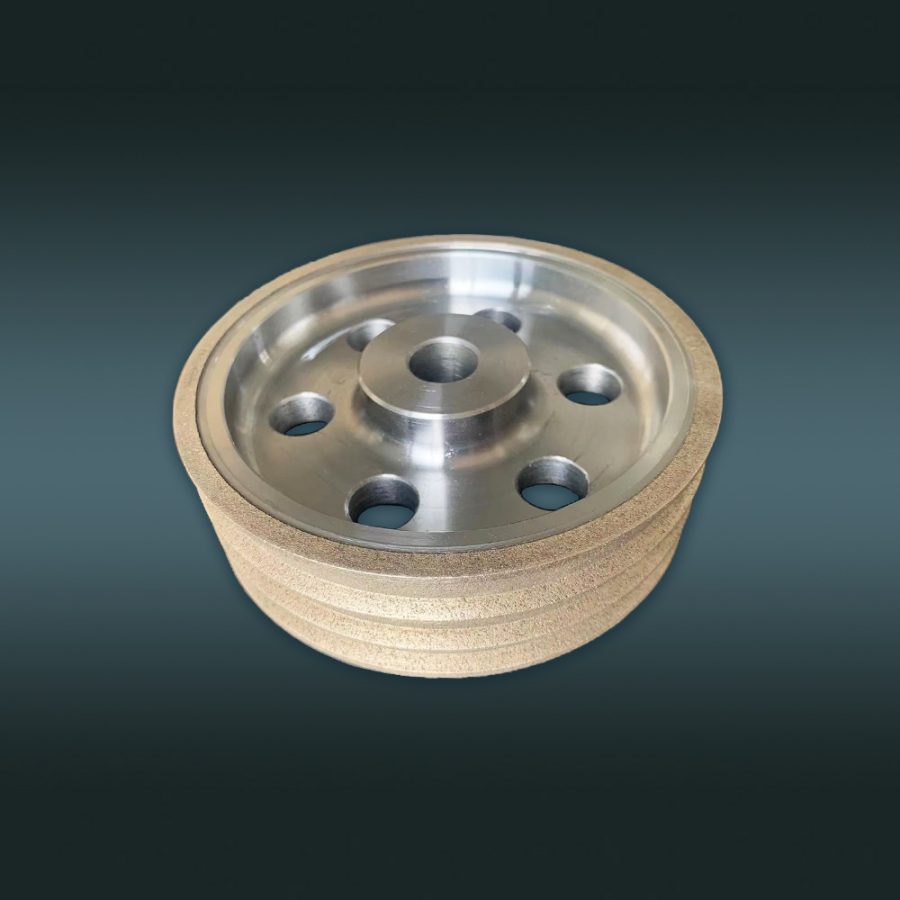
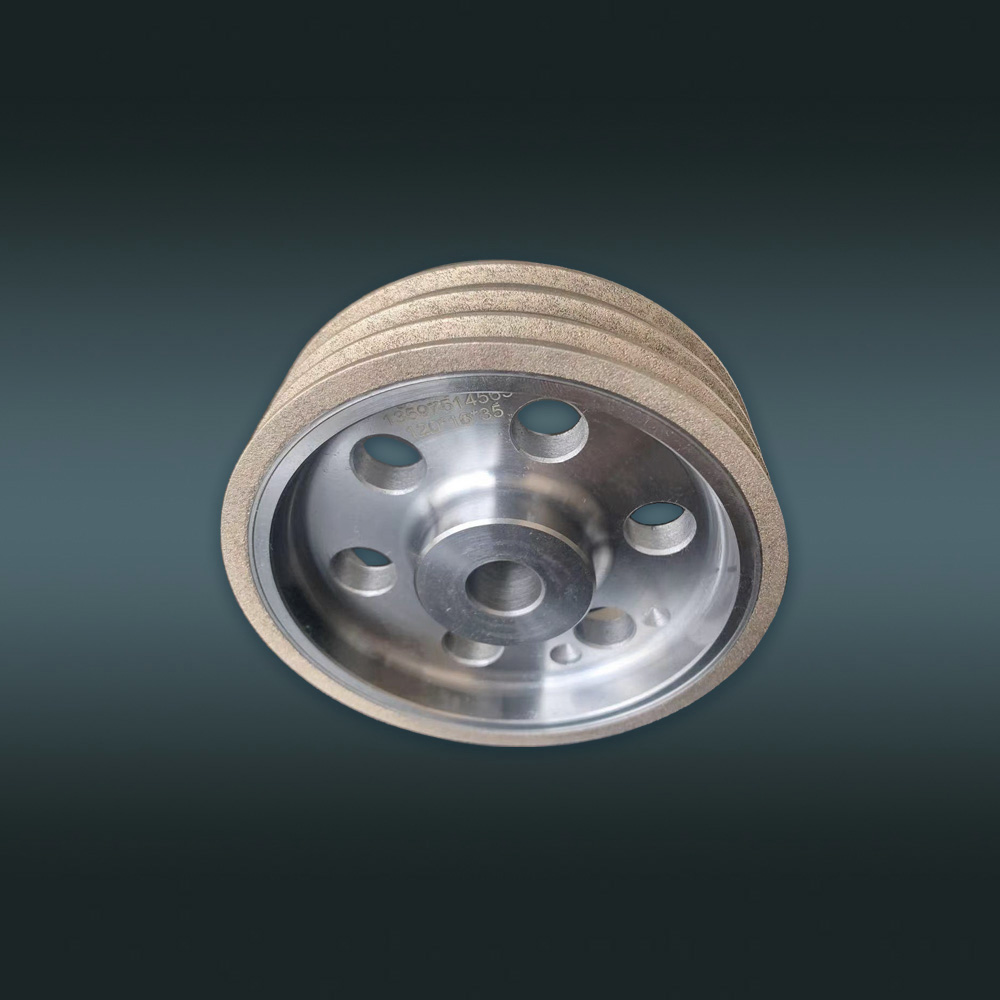
Heat generation is another important consideration. Grinding involves repeated contact between abrasive grains and the workpiece, producing heat through cutting and friction. Higher wheel speeds can change the thermal conditions at the grinding zone, depending on the machine setup and operating parameters. Excessive heat may cause surface burns, residual stresses, or other workpiece damage, especially when grinding heat-sensitive materials. Appropriate coolant delivery, wheel specification, and process settings help manage these risks. The relationship between wheel speed and grinding wheel wear should also be considered. Operating within a suitable speed range can help maintain stable cutting performance and predictable abrasive wear. However, excessive or unsuitable operating conditions may accelerate wear or damage the wheel. The bond system plays an important role in determining how abrasive grains are retained and renewed during grinding. Resin, metal bronze, vitrified, electroplated, and brazed grinding wheels may therefore respond differently to changes in operating speed.
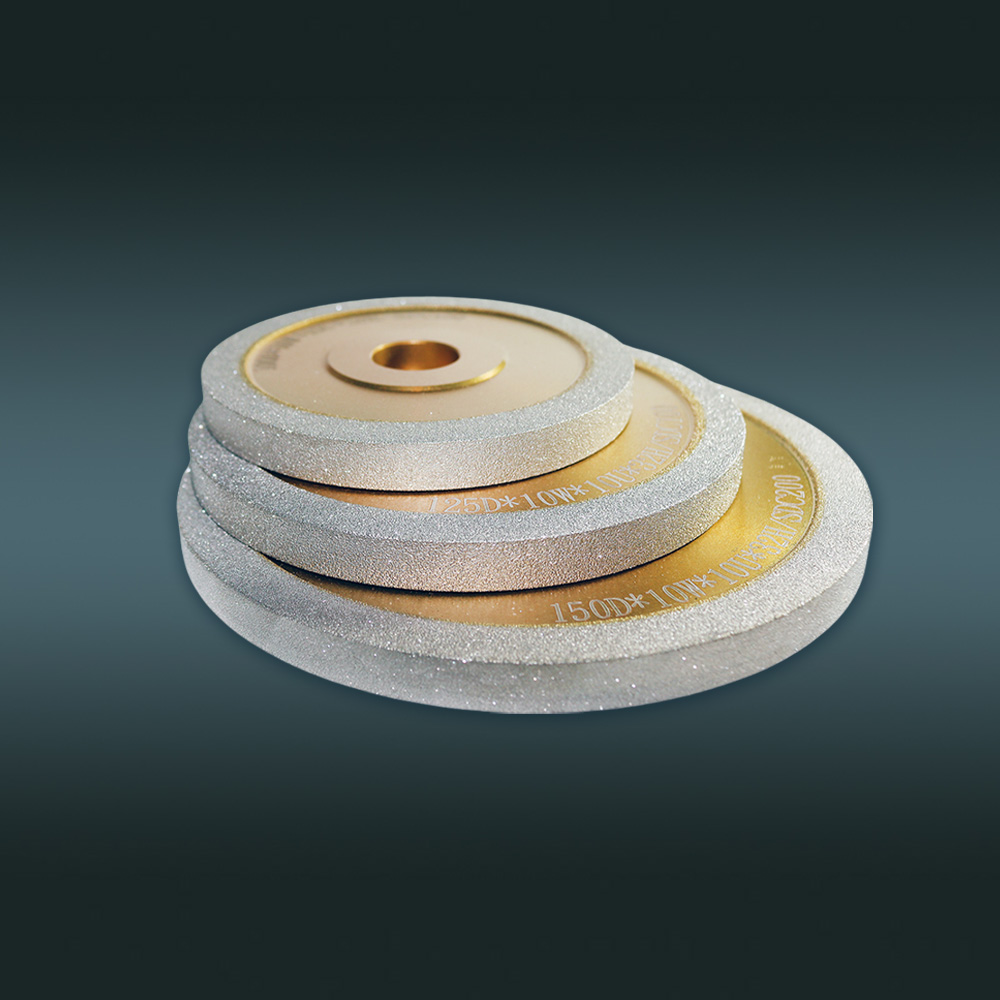
Different abrasive materials also have different application requirements. Diamond grinding wheels are widely used for carbide, ceramics, glass, optical materials, and other hard or brittle materials. CBN grinding wheels are particularly suitable for hardened steels and other ferrous materials. Although both abrasives provide high hardness and wear resistance, their ideal operating conditions depend on the wheel construction, workpiece, grinding method, and machine capabilities. Machine stability is equally important when selecting wheel speed. Spindle condition, wheel mounting, balancing, machine rigidity, and vibration control can all affect machining performance. A well-balanced wheel operating within its approved speed limit can help reduce vibration and support consistent grinding results. Before increasing speed, manufacturers should verify that the wheel, spindle, guards, and machine are designed for the intended operating conditions.
Safety must always take priority over productivity. Every grinding wheel has a maximum permitted operating speed, which must not be exceeded. Operators should check the manufacturer's specifications, wheel markings, and equipment requirements before use. Wheel diameter changes may also affect the relationship between spindle RPM and peripheral speed. Any adjustment should follow the wheel manufacturer's instructions and applicable safety procedures. For high-volume manufacturing, establishing an appropriate wheel speed can help balance cycle time, surface quality, tool life, and operating costs. Manufacturers should evaluate speed alongside feed rate, depth of cut, coolant conditions, and dressing or conditioning requirements. Controlled testing under representative production conditions can help identify settings that provide the best combination of efficiency and consistency without compromising safety.
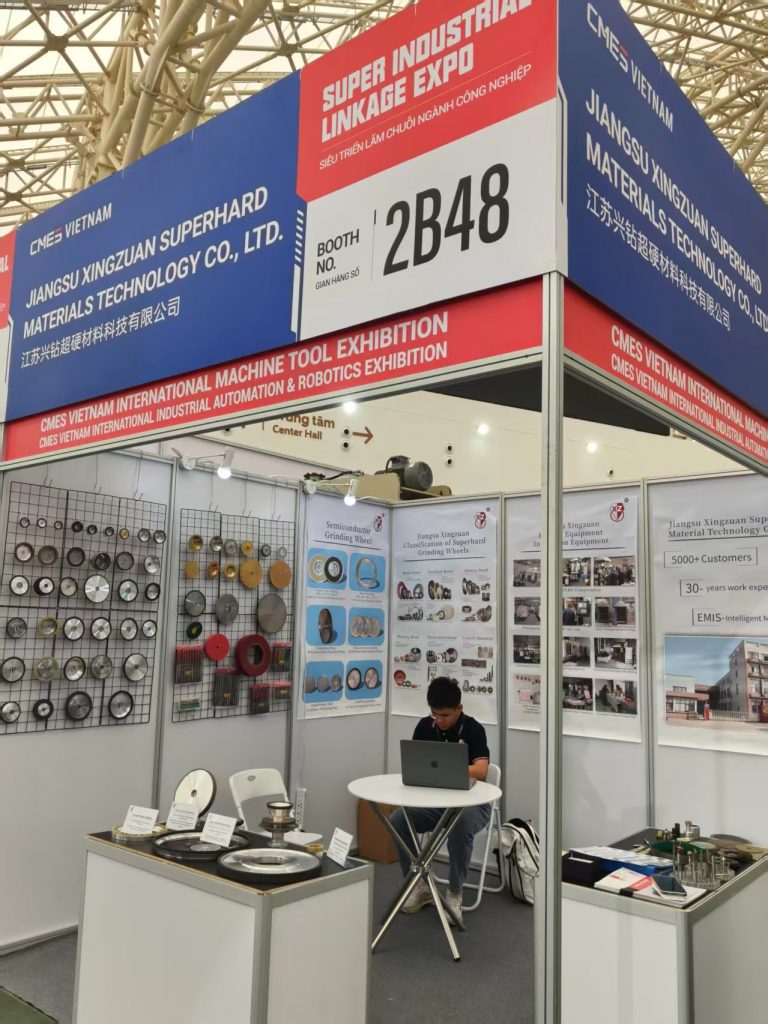
Jiangsu Xingzuan Superhard Material Technology Co., Ltd., established in 2003, specializes in the research, development, and production of diamond and CBN superhard material grinding tools. Its product range includes electroplating, metal bronze, resin, vitrified, and brazing series for applications such as cutting tools, molds, automotive components, aerospace, medical products, optical components, semiconductors, and precision ceramics. Selecting a suitable wheel specification and operating speed is an important step toward achieving reliable performance in these demanding applications. In conclusion, grinding wheel speed directly influences machining efficiency, surface finish, heat generation, wheel wear, and process stability. The best speed is not necessarily the highest one, but the speed that matches the wheel's design, workpiece material, machine capabilities, and production objectives. By combining appropriate speed selection with suitable diamond or CBN grinding tools and well-controlled machining parameters, manufacturers can improve grinding consistency and achieve more dependable production results.