Understanding Porosity in Vitrified Grinding Wheels and Its Benefits
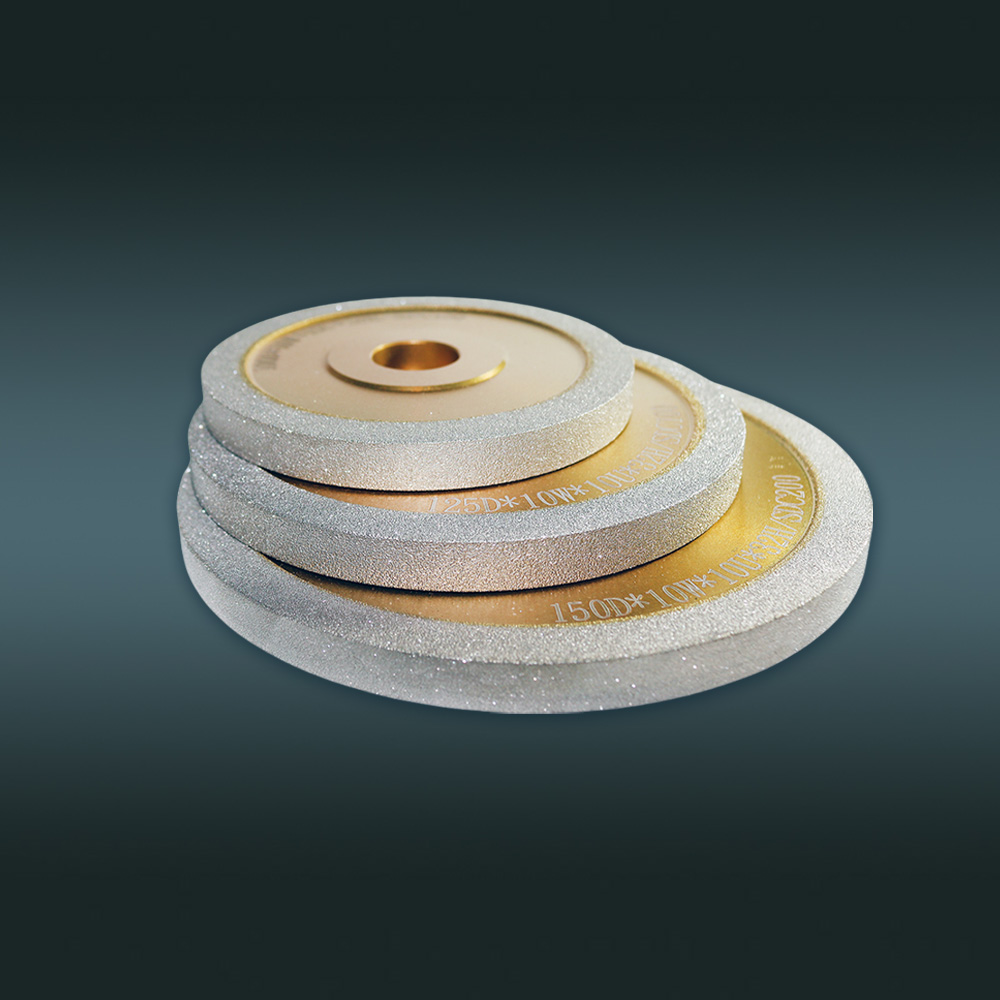
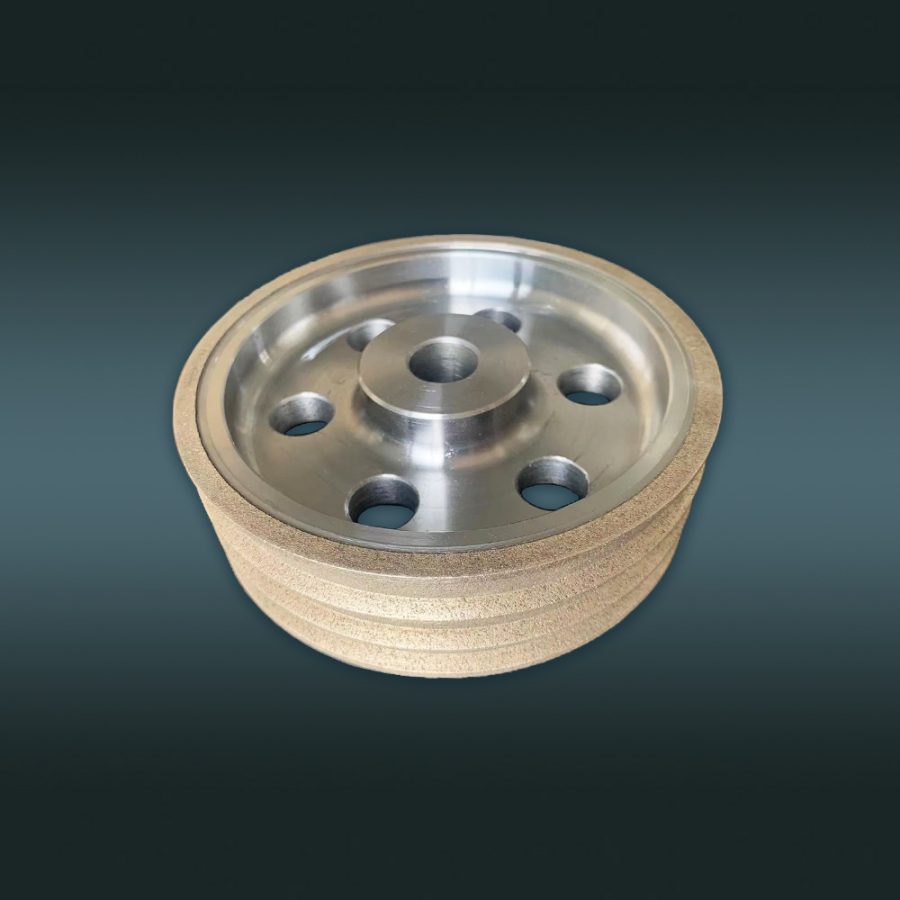
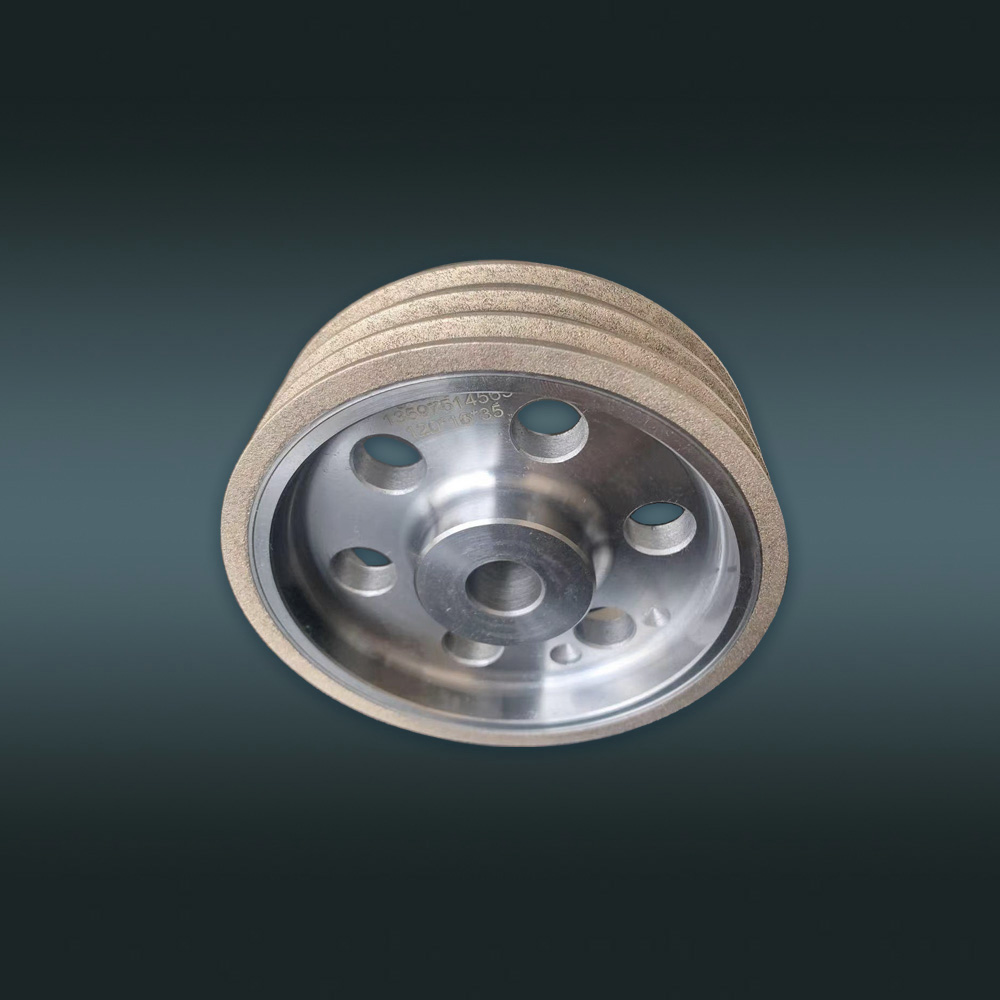
Vitrified grinding wheels are widely recognized for their outstanding precision, dimensional stability, and long-lasting performance in demanding grinding applications. One of the key characteristics that distinguishes vitrified grinding wheels from other bond types is their controlled porosity. Although often overlooked, porosity plays a critical role in determining grinding efficiency, heat management, surface quality, and overall wheel performance. Understanding how porosity functions allows manufacturers to select the right grinding wheel for achieving optimal machining results. Porosity refers to the tiny air pockets or voids intentionally created within the vitrified bond structure during the manufacturing process. Unlike defects, these pores are carefully engineered to achieve a balance between bond strength and grinding performance. The size, number, and distribution of pores are controlled according to the intended application, allowing the grinding wheel to deliver consistent results under various operating conditions.
One of the greatest benefits of porosity is improved chip removal. During grinding, small chips are continuously generated as abrasive grains remove material from the workpiece. If these chips remain trapped between the abrasive particles, they can clog the wheel surface and reduce cutting efficiency. The pores within vitrified grinding wheels provide space for chips to escape, preventing wheel loading and maintaining sharp cutting performance throughout the grinding process. Porosity also plays a vital role in heat dissipation. Grinding generates considerable friction and heat, especially when machining hard materials such as carbide, hardened steel, ceramics, and advanced composites. Excessive heat can lead to workpiece burns, thermal cracks, dimensional distortion, and reduced grinding wheel life. The porous structure allows coolant to penetrate deeper into the grinding zone while improving airflow around the abrasive grains. This helps reduce grinding temperatures and protects both the workpiece and the grinding wheel.
Another important advantage of controlled porosity is enhanced cutting efficiency. Because chips are removed more effectively and heat buildup is minimized, abrasive grains remain exposed and active for longer periods. This enables the grinding wheel to maintain consistent cutting action with lower grinding forces. As a result, manufacturers can achieve faster material removal rates while maintaining excellent dimensional accuracy and process stability. Surface quality is also significantly influenced by wheel porosity. Stable chip evacuation and reduced heat generation create smoother grinding conditions, producing cleaner surfaces with fewer scratches, burns, or surface defects. This is especially important in industries such as aerospace, semiconductor manufacturing, medical devices, optical components, and precision mold production, where superior surface finishes directly affect product performance and quality.
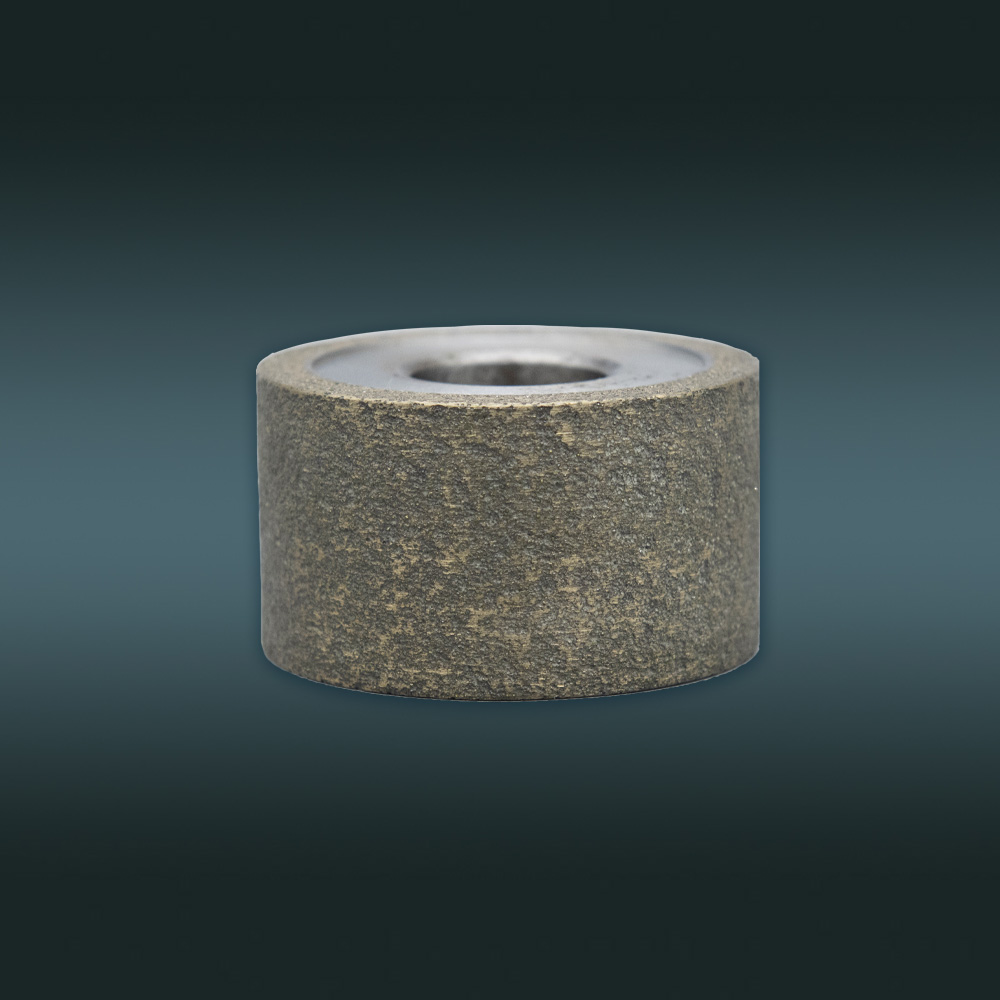
Porosity contributes to longer grinding wheel life as well. By reducing wheel loading and thermal stress, the abrasive grains experience less excessive wear during operation. The vitrified bond maintains its structural integrity while allowing the wheel to perform efficiently over extended production cycles. This results in fewer wheel replacements, lower maintenance costs, and improved production efficiency. Another key benefit is improved dressing performance. Vitrified grinding wheels can be dressed to restore sharpness and maintain precise wheel geometry. The porous structure makes dressing more effective by allowing worn abrasive grains to be removed cleanly while exposing fresh cutting edges. This helps preserve grinding accuracy and extends the usable life of the wheel without sacrificing performance.
The level of porosity can also be customized according to different grinding applications. Wheels designed for aggressive stock removal often feature higher porosity to maximize chip clearance and cooling efficiency. In contrast, applications requiring ultra-fine surface finishes may utilize carefully controlled porosity to balance cutting performance with dimensional precision. This flexibility allows vitrified grinding wheels to meet a wide variety of industrial requirements. Modern manufacturing industries increasingly rely on porous vitrified grinding wheels for processing advanced materials. Whether machining carbide cutting tools, ceramic components, semiconductor wafers, aerospace alloys, or precision mechanical parts, controlled porosity helps ensure stable grinding performance under demanding conditions. As production speeds and quality standards continue to increase, the importance of optimized wheel porosity becomes even more significant.
In conclusion, porosity is one of the defining features that makes vitrified grinding wheels highly effective in precision grinding applications. By improving chip removal, enhancing coolant flow, reducing heat generation, increasing cutting efficiency, and extending wheel life, controlled porosity delivers substantial benefits across a wide range of industries. Selecting a vitrified grinding wheel with the appropriate porosity allows manufacturers to achieve higher productivity, superior surface quality, and more reliable grinding performance in today's advanced manufacturing environment.