How Custom Grinding Solutions Improve Manufacturing Flexibility
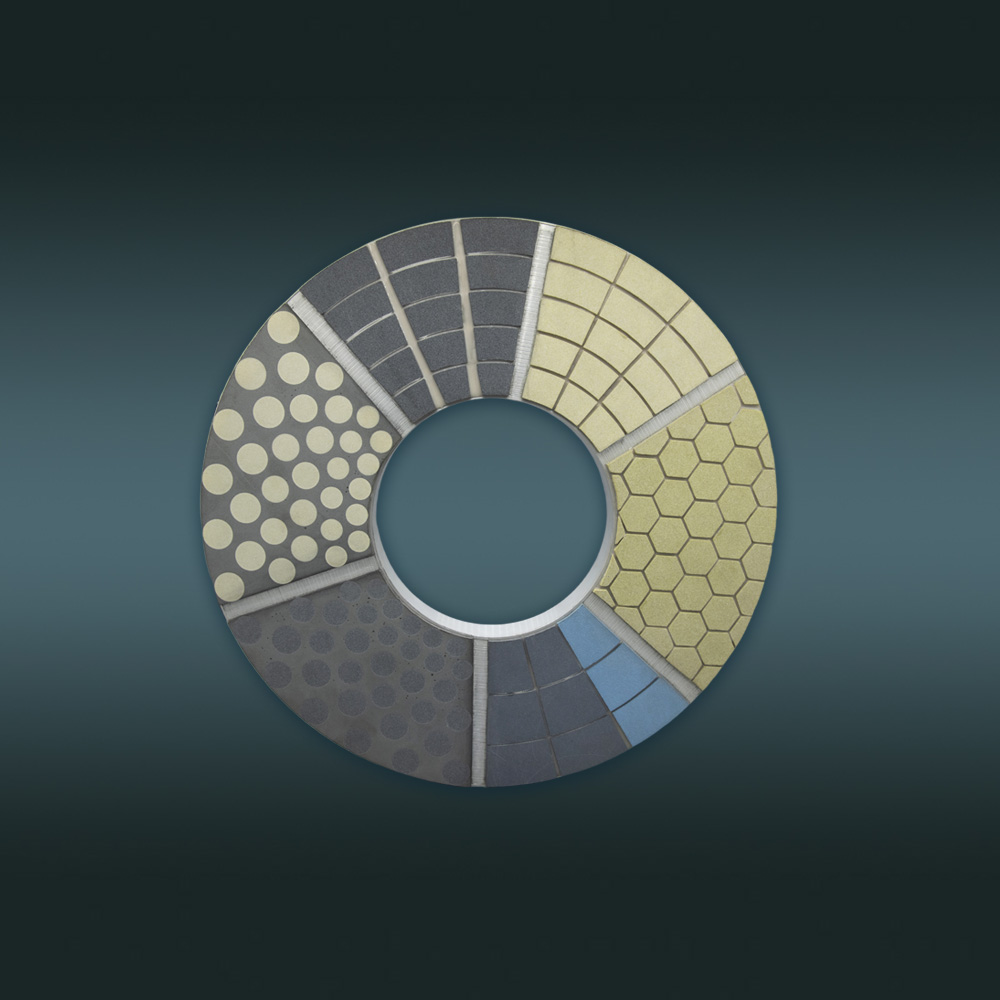
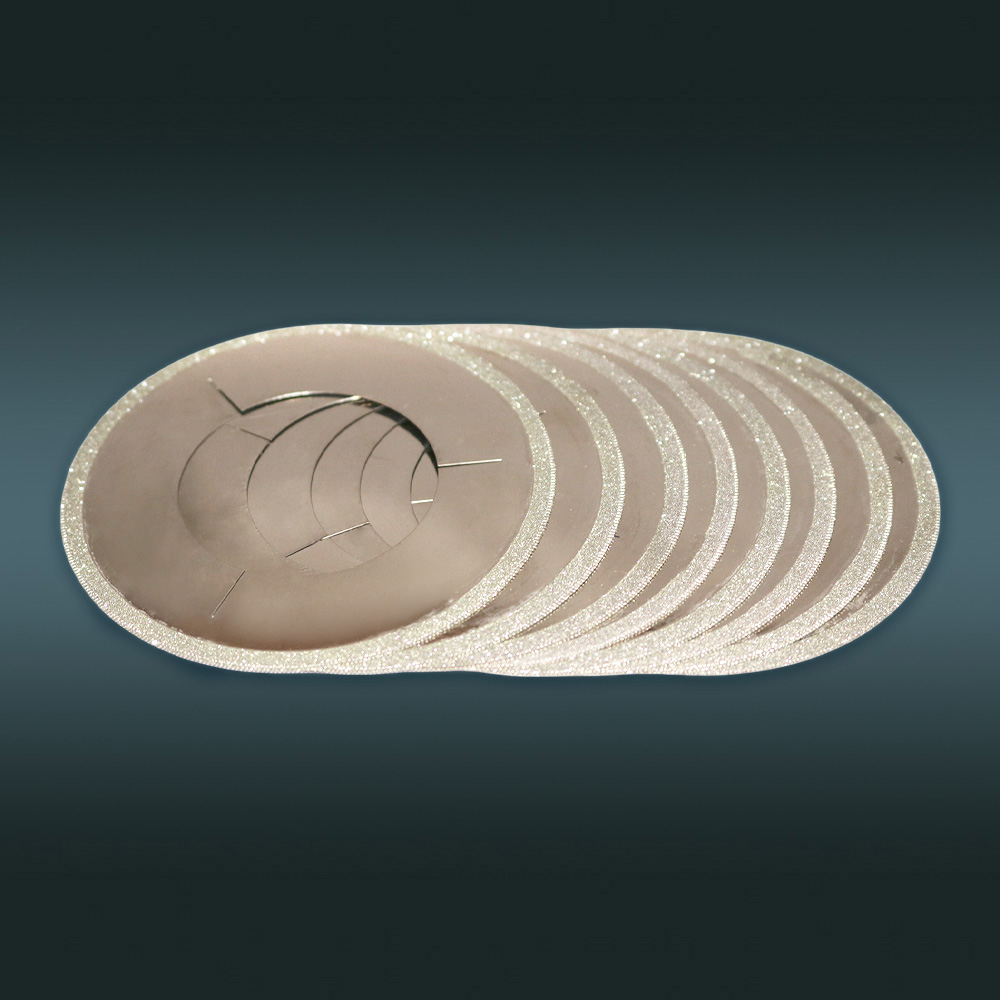
Manufacturing industries today face increasing demands for precision, efficiency, and adaptability. Companies are expected to process a wide range of materials, produce complex component geometries, and respond quickly to changing market requirements. In this environment, standard grinding tools may not always provide the best performance for every application. Custom grinding solutions have become an important strategy for improving manufacturing flexibility and helping businesses adapt to diverse production challenges. One of the main advantages of custom grinding solutions is the ability to match tools precisely to specific materials and machining conditions. Different materials such as carbide, hardened steel, ceramics, glass, composites, and semiconductor materials each require unique grinding characteristics. Customized grinding wheels can be designed with optimized abrasive types, bond systems, grit sizes, and concentrations to achieve the best possible cutting performance for each material.
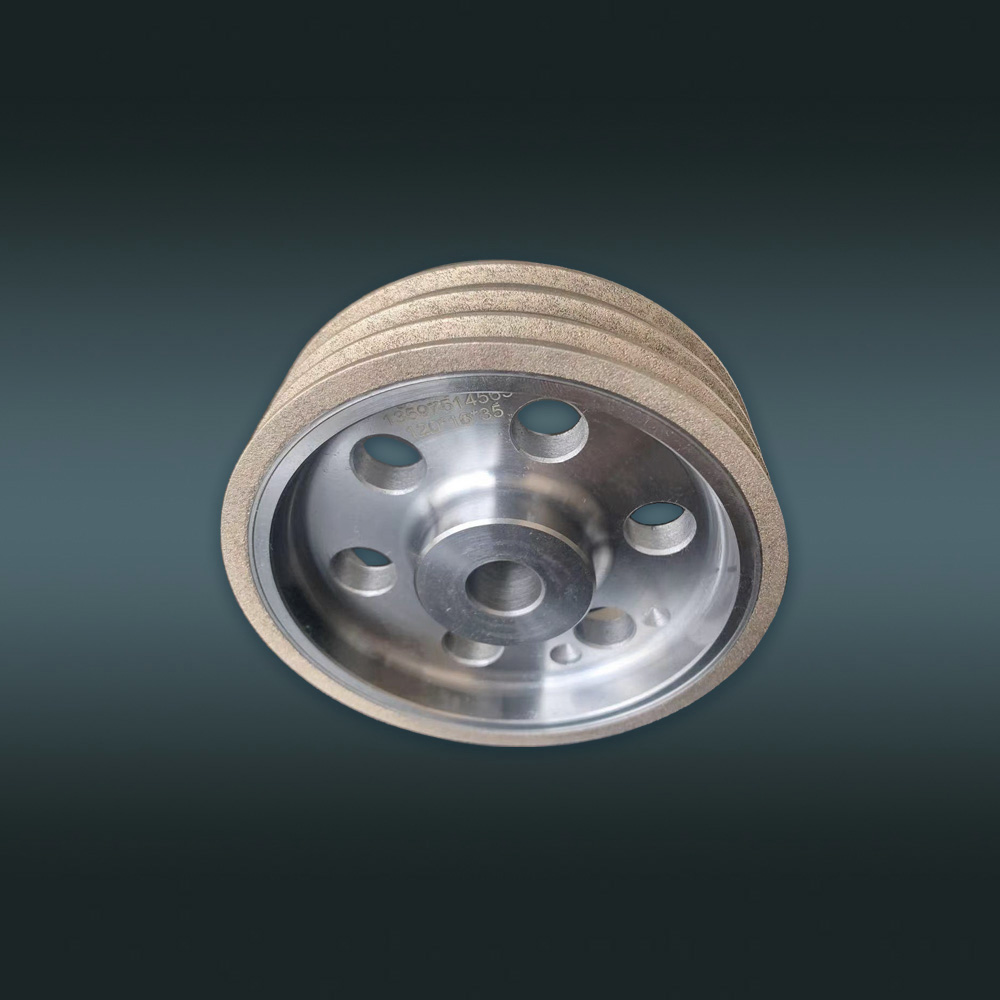
Custom grinding tools also improve flexibility when handling complex component designs. Modern manufacturing often involves parts with intricate profiles, narrow grooves, sharp edges, and specialized contours. Standard grinding wheels may struggle to achieve these precise geometries efficiently. Customized wheel shapes and profiles allow manufacturers to process complex workpieces accurately while reducing the need for multiple tools or secondary operations. Another important benefit is improved compatibility with different grinding machines and production systems. Manufacturing facilities may use various CNC grinders, automated systems, or specialized equipment with unique operating conditions. Custom grinding solutions can be engineered to match spindle speeds, machine rigidity, coolant systems, and mounting requirements. This compatibility helps optimize machine performance and ensures stable grinding operations across different production lines.
Production flexibility is especially important in industries that frequently switch between products or process small production batches. Customized grinding tools allow manufacturers to quickly adapt to changing customer requirements without major modifications to equipment or processes. This responsiveness improves production efficiency and supports faster delivery times, which are critical advantages in competitive markets. Custom grinding solutions also contribute to higher process efficiency. By tailoring grinding wheels to specific applications, manufacturers can improve material removal rates, reduce grinding time, and minimize tool wear. Optimized tools perform more effectively under defined operating conditions, reducing downtime caused by wheel replacement, dressing, or process adjustments. Increased efficiency leads to greater production flexibility and lower operating costs.
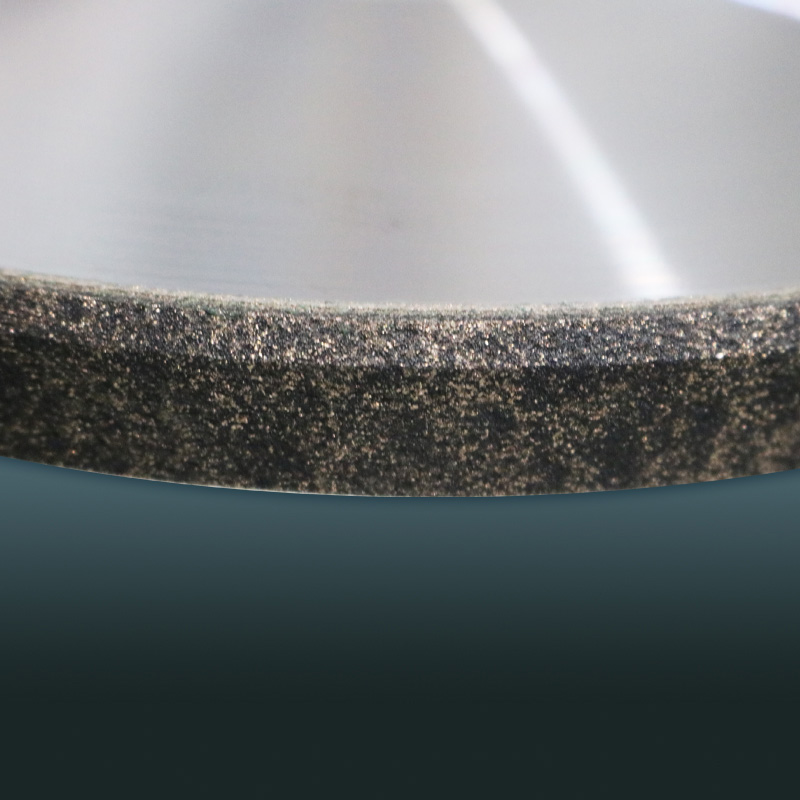
Surface quality and dimensional accuracy can also be significantly improved through customization. Different applications require varying levels of precision and finish quality. A customized grinding wheel designed for a particular process can maintain better profile stability, sharper cutting action, and more consistent grinding performance. This allows manufacturers to meet strict quality standards across a wide range of products and industries. Thermal control is another area where custom grinding solutions provide advantages. Excessive heat during grinding can cause surface burns, cracks, or dimensional distortion. Customized wheels with optimized bond structures and porosity improve coolant flow and chip removal, reducing heat generation during machining. Better thermal management enhances process stability and protects both the workpiece and the grinding tool.
Custom grinding solutions also support innovation in advanced manufacturing industries. Sectors such as aerospace, medical devices, electronics, and electric vehicles often require specialized processing methods for new materials and component designs. Customized diamond and CBN grinding tools allow manufacturers to develop efficient solutions for emerging applications, helping them remain competitive in rapidly evolving markets. Another key advantage is the ability to improve overall cost efficiency. While custom grinding tools may involve higher initial design and production costs, they often deliver better long-term value through increased productivity, reduced scrap rates, longer tool life, and fewer process interruptions. Customized solutions help manufacturers maximize the performance of their grinding operations while minimizing waste and unnecessary expenses.
In conclusion, custom grinding solutions play a vital role in improving manufacturing flexibility by allowing companies to adapt tools and processes to specific production requirements. Through optimized material compatibility, precision geometry, machine integration, thermal control, and process efficiency, customized grinding tools help manufacturers respond quickly to changing demands while maintaining high-quality standards. As modern manufacturing continues to evolve, custom grinding solutions will remain essential for achieving greater flexibility, productivity, and competitiveness.