The Importance of Wheel Hardness in Grinding Performance
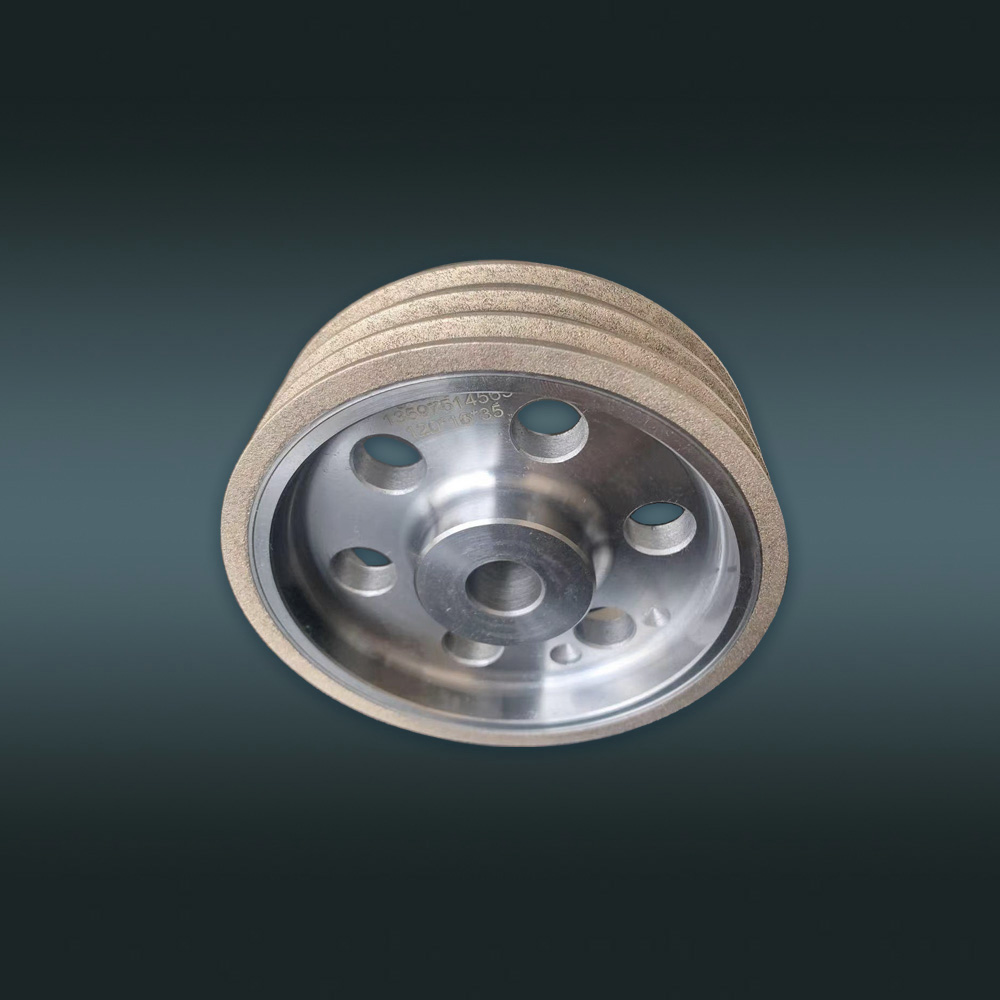
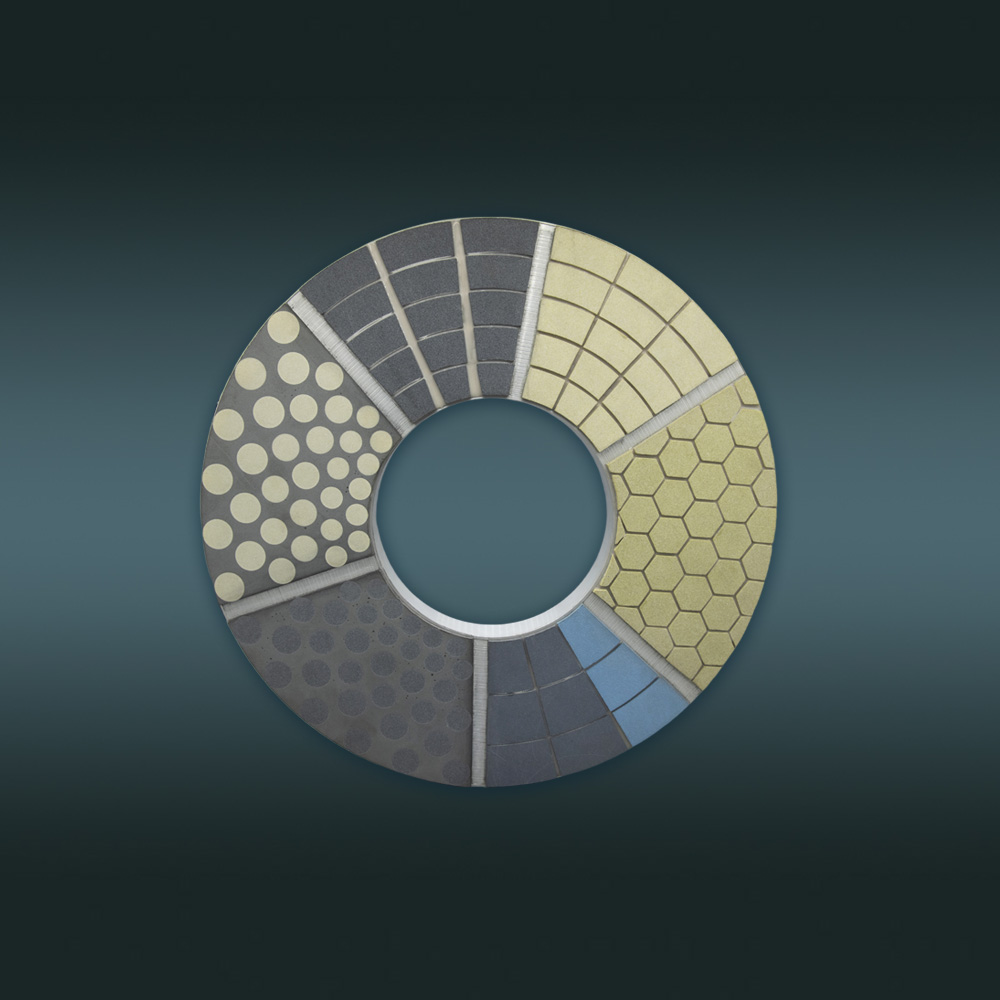
Wheel hardness is one of the most critical factors affecting grinding wheel performance. In grinding operations, wheel hardness refers to the bond’s ability to hold abrasive grains in place rather than the hardness of the abrasive material itself. Selecting the correct wheel hardness directly impacts grinding efficiency, surface finish, wheel wear, and overall machining stability. Understanding the role of wheel hardness helps manufacturers optimize grinding processes for different materials and applications. A grinding wheel consists of abrasive grains bonded together by materials such as resin, metal, vitrified, or electroplated bonds. During grinding, abrasive grains gradually become dull due to friction and cutting forces. The wheel hardness determines how easily these worn grains are released and replaced by fresh sharp grains. This balance between grain retention and grain release is essential for maintaining effective grinding performance.
Hard grinding wheels hold abrasive grains more firmly within the bond structure. Because the grains remain attached longer, hard wheels generally offer better wear resistance and longer service life. These wheels are often suitable for grinding softer materials that do not generate excessive grinding forces. In such applications, the abrasive grains remain sharp for longer periods, allowing the wheel to maintain stable performance without excessive grain loss. However, if a hard wheel is used on very hard materials, the abrasive grains may become dull before they can break free from the bond. This condition can cause wheel glazing, where the grinding surface becomes smooth and loses cutting ability. As a result, grinding forces and heat generation increase, leading to reduced efficiency, poor surface finish, and possible thermal damage to the workpiece.
Soft grinding wheels release abrasive grains more easily during operation. As dull grains are removed quickly, fresh sharp grains are continuously exposed, maintaining aggressive cutting action. Soft wheels are typically recommended for grinding hard materials because they prevent glazing and reduce grinding heat. This self-sharpening characteristic improves cutting efficiency and helps maintain stable grinding performance. One of the key benefits of selecting the proper wheel hardness is improved surface quality. A wheel that matches the workpiece material and grinding conditions provides smoother and more consistent finishes. Excessively hard wheels may create burns or vibration marks due to increased friction, while overly soft wheels may wear too quickly and produce uneven surfaces. Proper hardness selection ensures balanced grinding action and high-quality results.
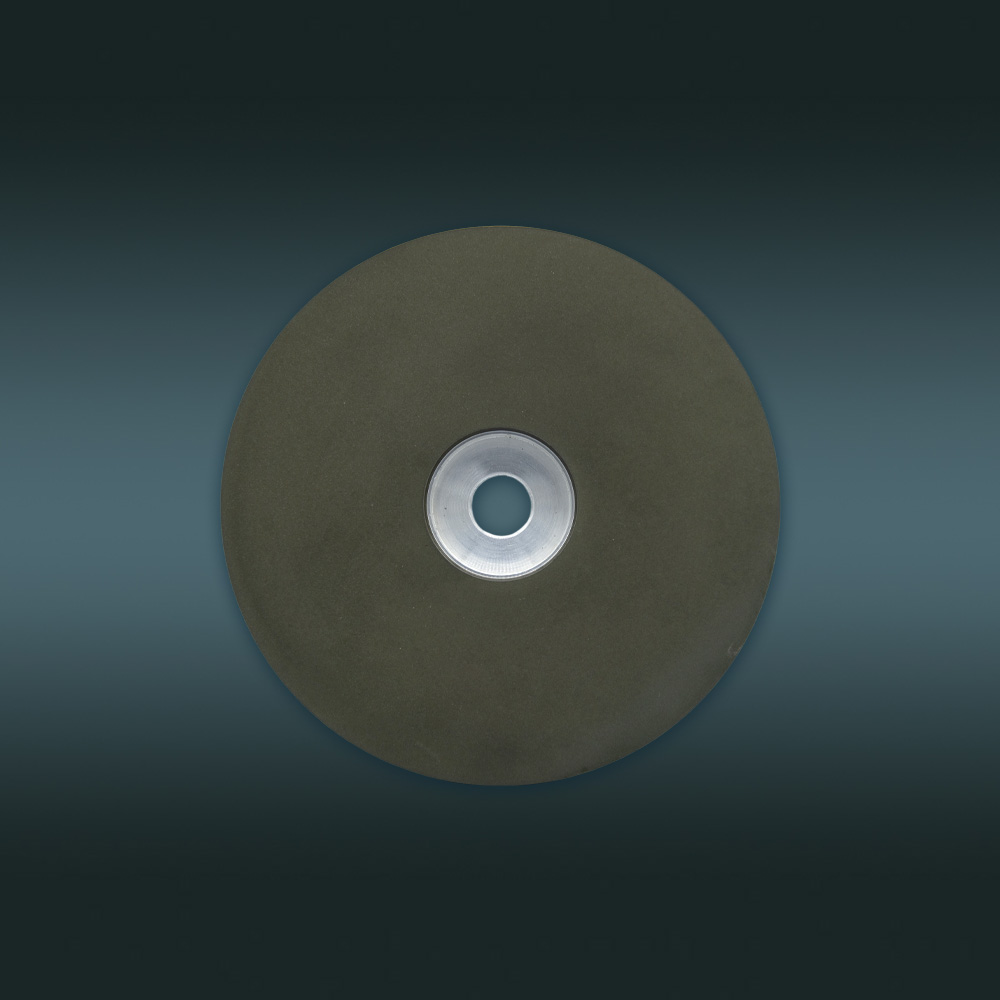
Wheel hardness also influences dimensional accuracy and shape retention. Harder wheels maintain their shape better during prolonged grinding operations, which is important in precision applications requiring tight tolerances. Softer wheels, while offering sharper cutting action, may wear faster and lose profile accuracy more quickly. Manufacturers must balance cutting efficiency with dimensional stability depending on the application. Grinding temperature is another factor closely related to wheel hardness. Improper hardness selection can increase friction and heat buildup during grinding. Excessive heat may damage both the grinding wheel and the workpiece, causing cracks, burns, or metallurgical changes. Correct wheel hardness helps maintain efficient cutting action and reduces thermal stress during machining.
Machine conditions and grinding parameters also affect hardness selection. Factors such as grinding speed, feed rate, machine rigidity, and coolant application influence wheel performance. For example, high-speed grinding operations often require wheels with carefully optimized hardness to maintain stability and prevent excessive wear. Selecting wheel hardness without considering operating conditions may lead to inefficient grinding and shortened tool life. Different industries require different wheel hardness characteristics based on their applications. Aerospace, automotive, semiconductor, medical, and precision mold industries all demand specific grinding conditions. Manufacturers often customize wheel hardness according to workpiece material, desired surface finish, and production volume to achieve the best possible performance and efficiency.
In conclusion, wheel hardness plays a vital role in grinding performance by controlling abrasive grain retention, cutting efficiency, heat generation, and surface quality. Hard wheels provide durability and shape retention, while soft wheels offer aggressive cutting action and improved self-sharpening capability. Selecting the appropriate wheel hardness based on material type and grinding conditions is essential for achieving efficient, stable, and high-quality grinding results in modern manufacturing processes.