Choosing the Best Grinding Wheel for High-Volume Manufacturing
High-volume manufacturing requires grinding processes that deliver consistent results over long production runs. When hundreds or thousands of components must be processed with the same level of accuracy, the grinding wheel becomes an important factor in maintaining productivity, surface quality, and operating costs. Selecting the right grinding wheel involves more than choosing a diamond or CBN abrasive; manufacturers must consider the workpiece material, grinding conditions, wheel specification, and production requirements. The first consideration is the material being processed. Diamond grinding wheels are widely used for hard, brittle, and non-ferrous materials such as carbide, ceramics, glass, optical materials, and certain composite materials. CBN grinding wheels are particularly suitable for hardened steels and other ferrous materials. Matching the abrasive to the workpiece helps maintain effective cutting action and reduces unnecessary wheel wear during continuous manufacturing.
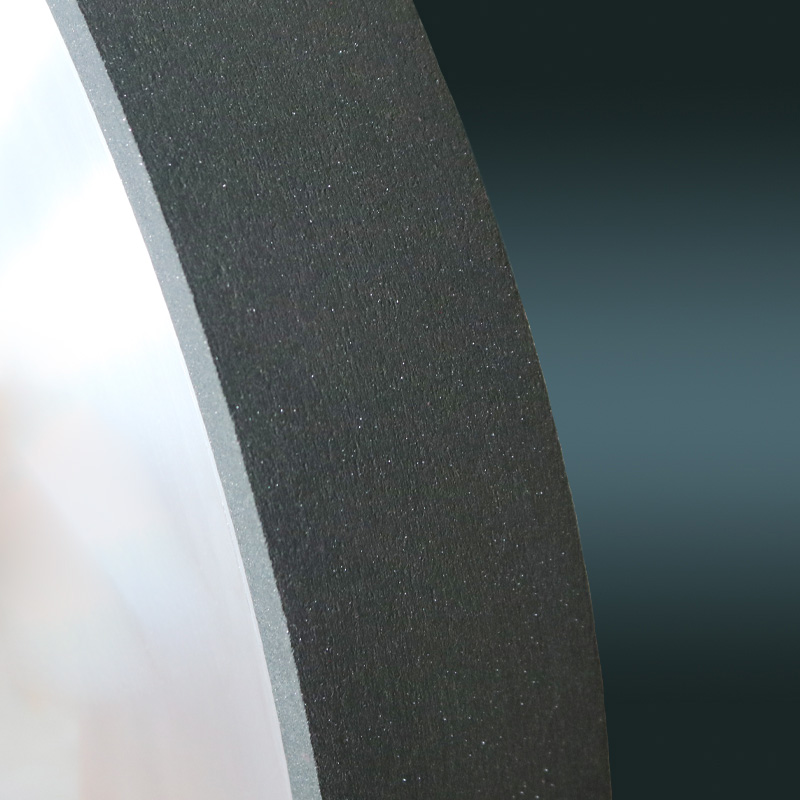
Grit size is another important factor in high-volume production. Coarser grits can provide higher material removal rates and are often suitable for rough grinding or applications where productivity is a priority. Finer grits are generally selected when a smoother surface finish and greater dimensional precision are required. For production lines involving several grinding stages, manufacturers may use different grit sizes for roughing and finishing operations. The abrasive concentration also affects grinding wheel performance. A suitable concentration can provide an effective balance between cutting ability, wheel life, and production efficiency. In high-volume manufacturing, excessive wheel wear can lead to frequent dressing or replacement, while an unsuitable concentration may negatively affect grinding performance. The ideal specification should therefore be selected according to the material, machine, and grinding conditions.
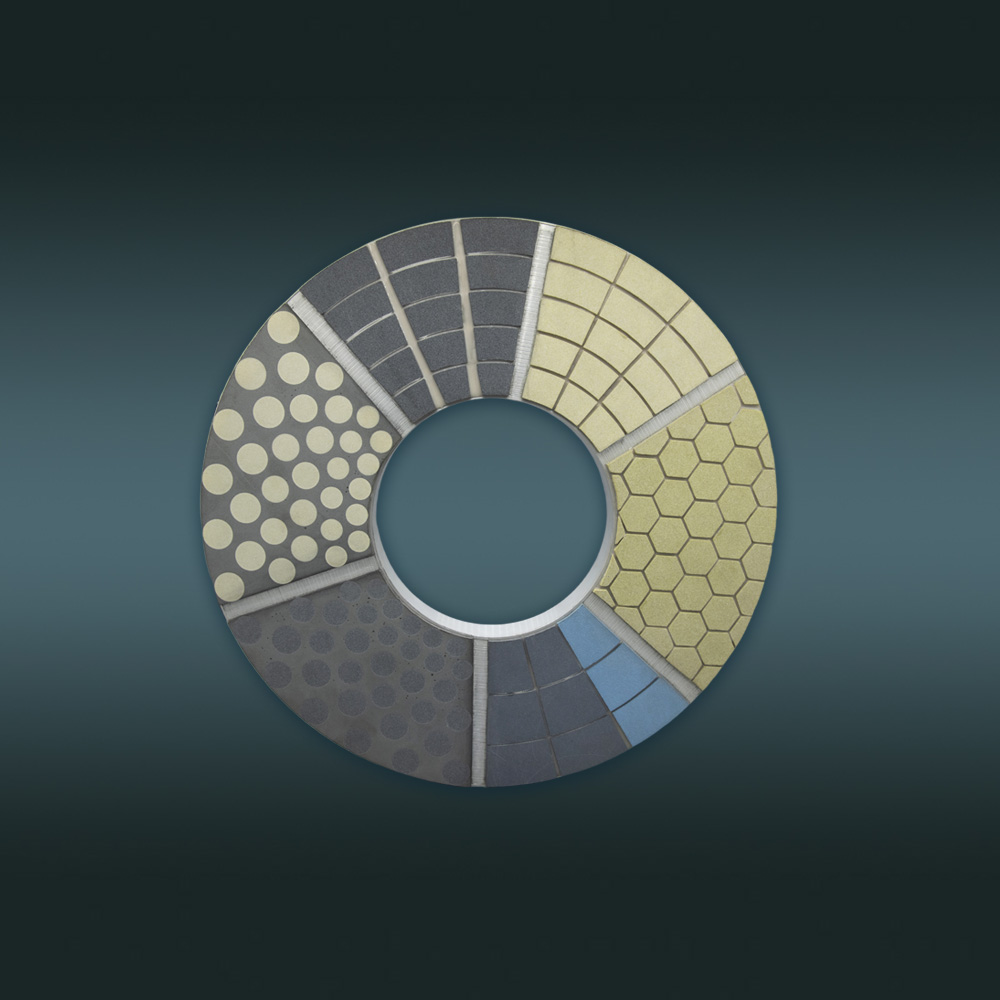
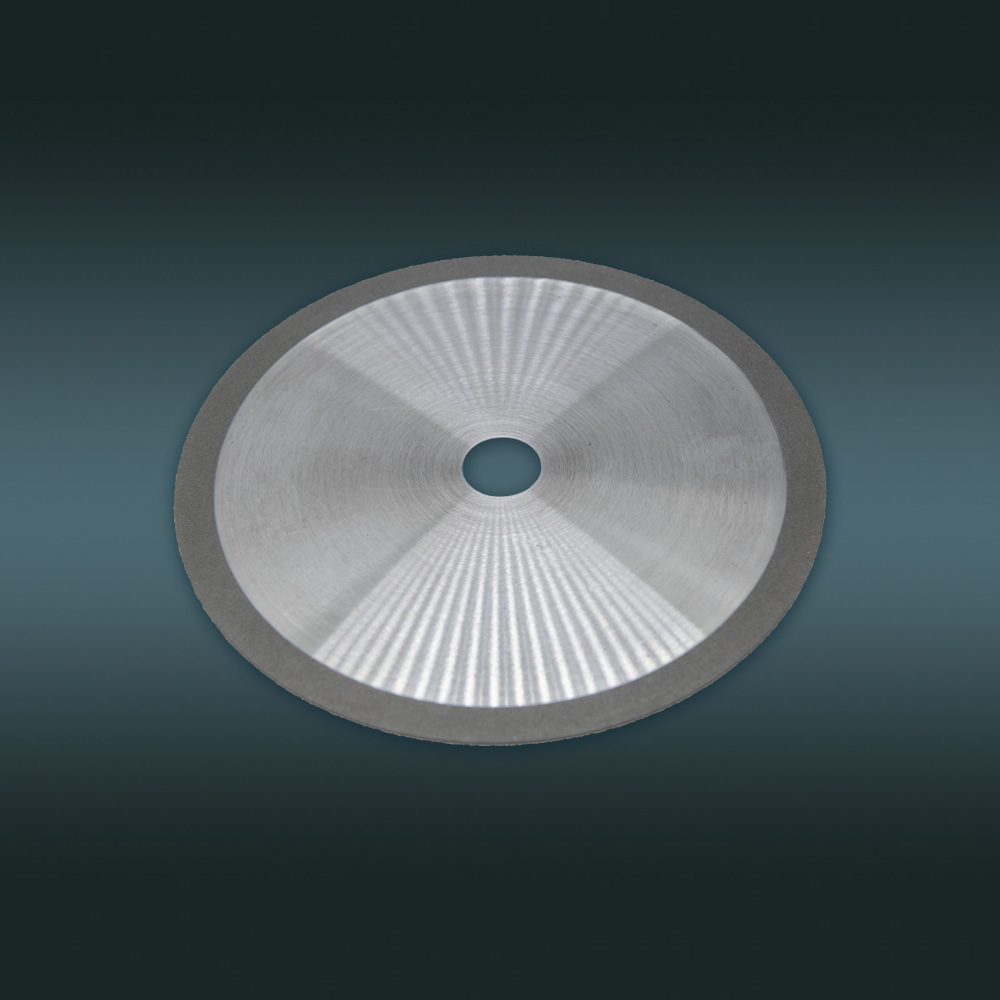
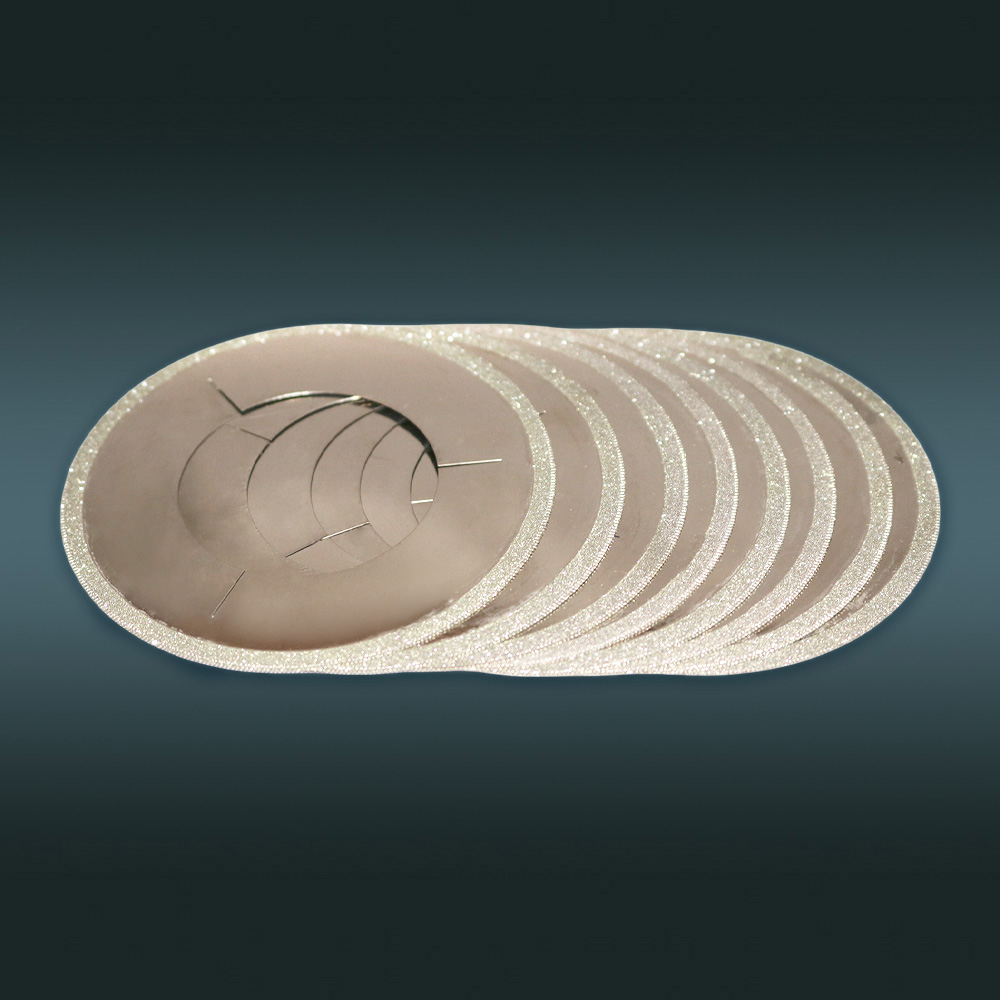
Another major consideration is the bond type. Jiangsu Xingzuan Superhard Material Technology Co., Ltd. provides different grinding wheel series, including electroplated, metal bronze, resin, vitrified, and brazing products. Each bond system offers different characteristics in terms of abrasive retention, cutting behavior, rigidity, heat management, and application suitability. Selecting the appropriate bond can help manufacturers achieve stable performance throughout extended production cycles. Wheel geometry and dimensions should also match the grinding machine and production process. Diameter, thickness, bore size, profile, and working surface design can influence accessibility, stability, and grinding efficiency. In automated or CNC production lines, even small differences in wheel geometry can affect tool positioning and process consistency. Therefore, wheel specifications should be determined according to the actual equipment and component design.
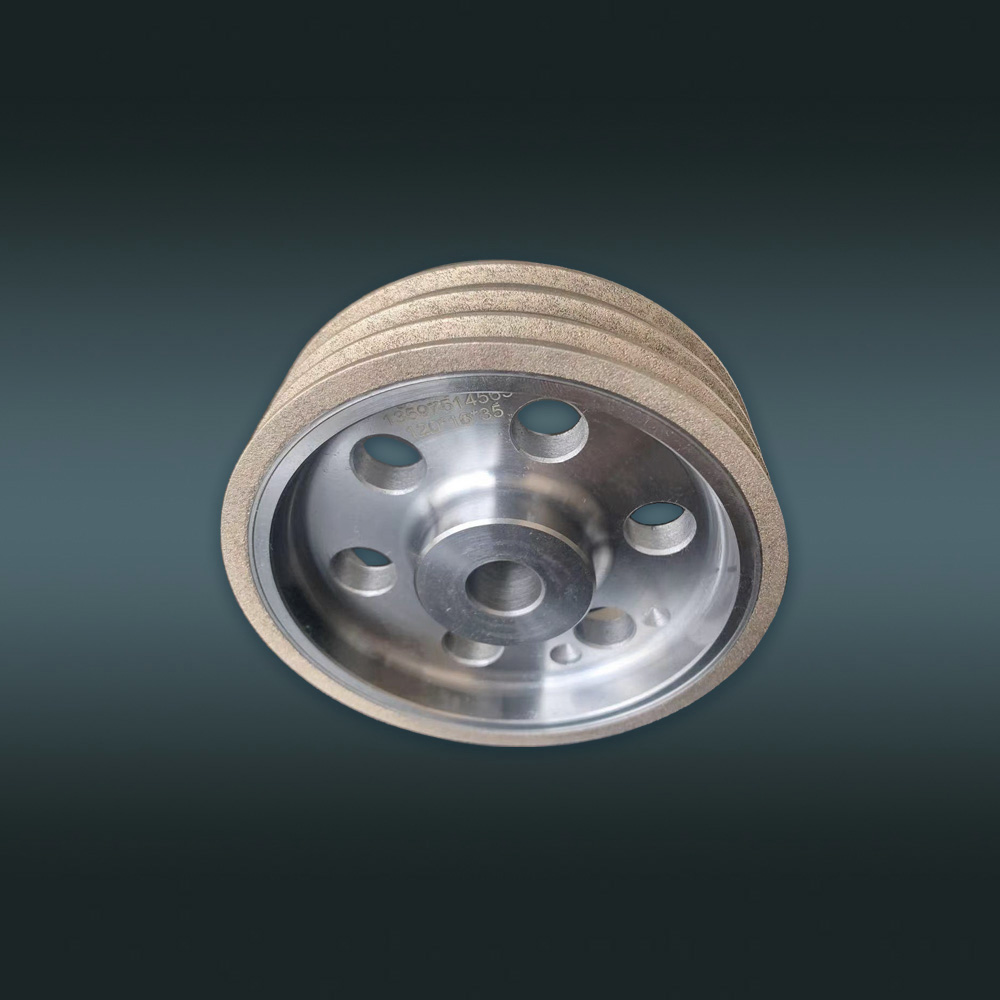
Operating conditions are equally important. Grinding speed, feed rate, depth of cut, coolant conditions, and machine rigidity all influence wheel performance. A grinding wheel that performs well under one set of conditions may not deliver the same results under another. For high-volume production, manufacturers should evaluate the complete grinding system instead of selecting a wheel based solely on abrasive type. Tool life and replacement frequency are especially important when production runs continuously. A wheel with an appropriate specification can maintain stable grinding performance for longer periods, reducing interruptions caused by wheel changes or adjustments. However, maximum wheel life should not be considered independently from productivity and surface quality. The goal is to find a practical balance between wheel consumption, cycle time, dimensional accuracy, and finished-part quality.
Customization can provide additional advantages for demanding production lines. Different workpieces and machines may require specific wheel profiles, dimensions, abrasive concentrations, grit sizes, or bond configurations. Working with an experienced grinding tool manufacturer allows manufacturers to develop specifications around their actual production requirements rather than relying entirely on standard products. Quality control is another key factor when purchasing grinding wheels for high-volume manufacturing. Consistency between batches is essential because variations in wheel characteristics can influence grinding results and require process adjustments. A reliable supplier should maintain controlled manufacturing and inspection procedures to help ensure that grinding tools provide stable performance across repeated production cycles.
Jiangsu Xingzuan Superhard Material Technology Co., Ltd., established in 2003, focuses on the research, development, and production of diamond and CBN superhard material grinding tools. With electroplated, metal bronze, resin, vitrified, and brazing series, the company can provide grinding solutions for applications ranging from cutting tools and molds to automotive, semiconductor, optical, medical, aerospace, and precision ceramic manufacturing. Ultimately, choosing the best grinding wheel for high-volume manufacturing requires a comprehensive evaluation of abrasive type, grit size, concentration, bond, wheel geometry, machine conditions, and production objectives. The right combination can support consistent quality, efficient material removal, longer operating cycles, and reduced production interruptions. By carefully matching grinding wheel specifications to the manufacturing process, manufacturers can build a more reliable and productive high-volume grinding operation.