How Abrasive Concentration Impacts Grinding Wheel Performance
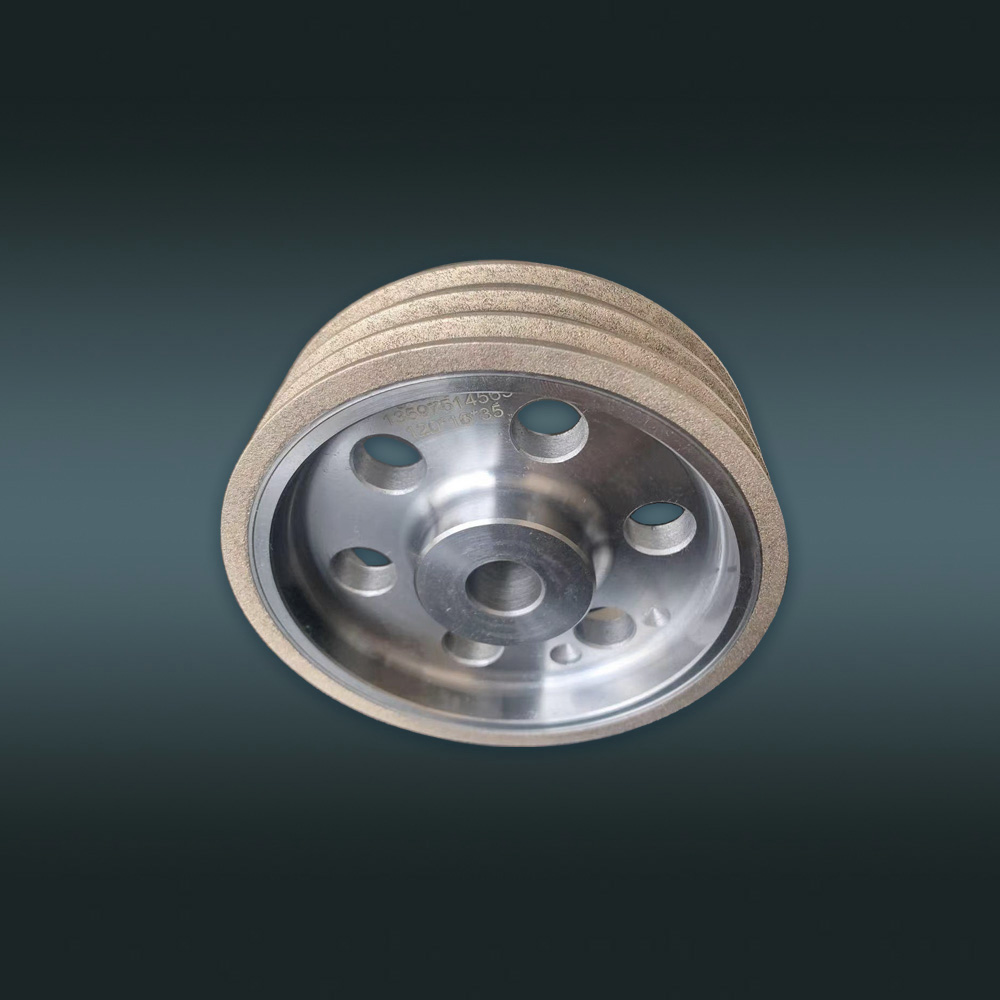
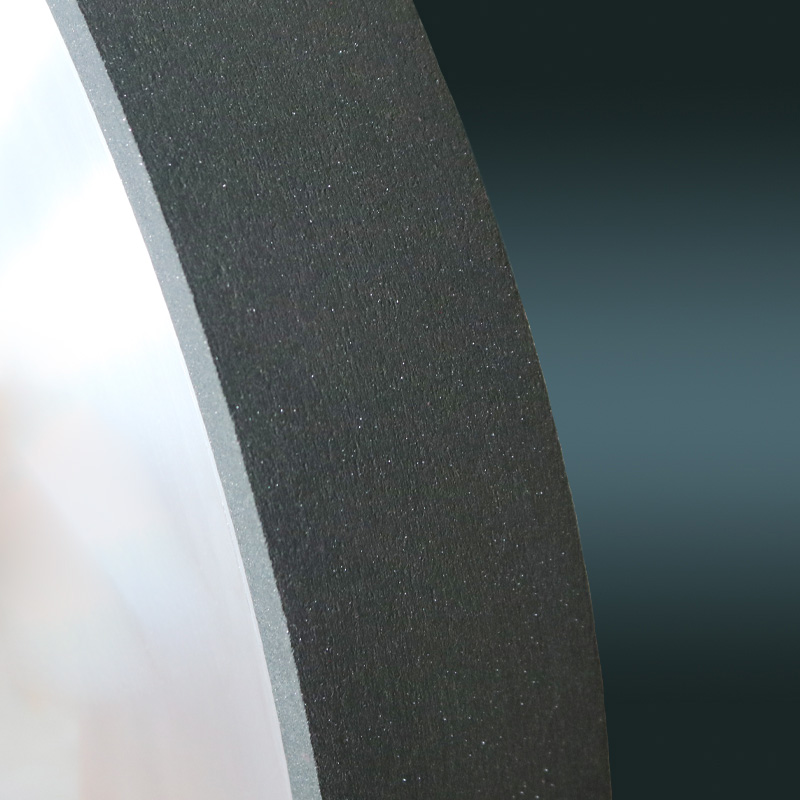
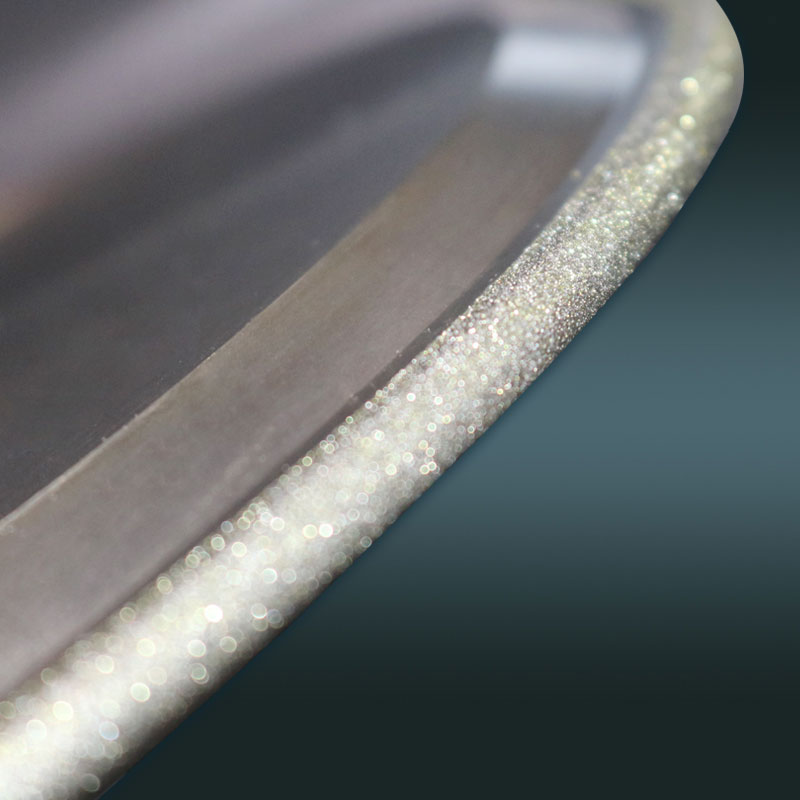
Abrasive concentration is one of the most important factors influencing the performance of grinding wheels. In diamond and CBN grinding tools, abrasive concentration refers to the amount of abrasive material contained within a specific volume of the wheel. The concentration level directly affects cutting efficiency, wheel durability, surface finish, and grinding stability. Understanding how abrasive concentration impacts grinding wheel performance helps manufacturers select the most suitable tools for different machining applications. In grinding wheels, abrasive concentration is usually expressed as a numerical value. A higher concentration means more diamond or CBN abrasive grains are distributed throughout the bonding material, while a lower concentration contains fewer abrasive particles. The balance between abrasive density and bond structure significantly influences how the wheel behaves during operation.
High abrasive concentration generally improves wheel durability and service life. Because more abrasive grains share the grinding load, each individual grain experiences less stress during operation. This reduces abrasive wear and helps the wheel maintain consistent cutting performance over longer production cycles. High-concentration grinding wheels are commonly used in demanding applications involving hard materials such as carbide, ceramics, glass, and hardened steel. Another advantage of higher abrasive concentration is improved dimensional stability. With more abrasive particles supporting the grinding action, the wheel maintains its shape more effectively during prolonged use. This is especially important in high-precision industries such as aerospace, semiconductor, and mold manufacturing, where tight tolerances and consistent geometry are critical.
However, excessively high abrasive concentration may also reduce chip space between abrasive grains. When there is insufficient spacing, grinding debris can accumulate more easily, leading to wheel loading and increased heat generation. This may reduce grinding efficiency and negatively affect surface quality. Therefore, high concentration wheels require proper coolant flow and optimized grinding parameters to maintain stable performance. Lower abrasive concentration provides larger chip clearance spaces between abrasive grains. This allows better chip removal and coolant penetration during grinding, reducing heat buildup and minimizing the risk of wheel loading. Lower concentration wheels are often preferred for applications requiring aggressive cutting action or high material removal rates.
Another benefit of lower abrasive concentration is increased cutting sharpness. Since each abrasive grain is exposed more prominently, the wheel can cut more aggressively with reduced grinding forces. This characteristic is particularly useful in rough grinding operations or when machining softer materials that require efficient material removal. Surface finish is also strongly influenced by abrasive concentration. Higher concentrations typically produce smoother and more uniform finishes because the grinding load is distributed across more abrasive particles. Lower concentrations may create rougher surfaces due to the more aggressive cutting action of individual grains. Selecting the correct concentration depends on whether the application prioritizes surface quality or grinding speed.
Grinding temperature is another important consideration. Wheels with improper abrasive concentration may generate excessive heat, leading to thermal damage, burns, or reduced bond strength. Optimizing concentration based on material type and grinding conditions helps maintain balanced heat generation and improves overall process stability. The ideal abrasive concentration also depends on the bond type used in the grinding wheel. Resin bond wheels may require different concentration levels compared to metal bond or vitrified bond wheels due to differences in bonding strength and wear characteristics. Manufacturers often customize abrasive concentration according to the specific application, machine type, and production requirements.
In conclusion, abrasive concentration plays a critical role in determining grinding wheel performance. Higher concentrations improve durability, dimensional stability, and surface finish, while lower concentrations enhance chip removal and aggressive cutting action. Selecting the correct abrasive concentration requires careful consideration of material properties, grinding conditions, surface quality requirements, and production efficiency goals. By optimizing abrasive concentration, manufacturers can achieve better grinding performance, longer tool life, and improved manufacturing productivity.