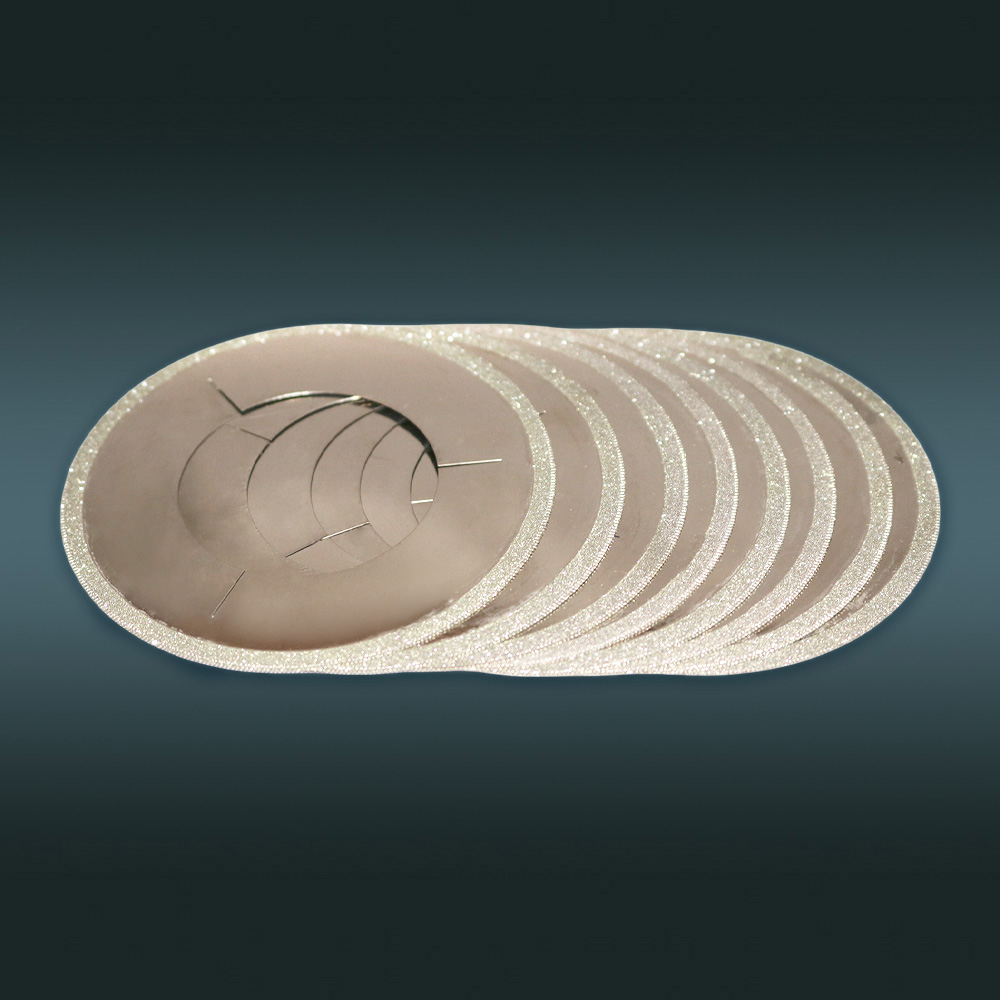
Key Factors Influencing Grinding Wheel Wear and Failure
Grinding wheels are critical tools in precision machining, and their performance directly affects productivity, surface quality, and operational efficiency. However, grinding wheels are constantly exposed to friction, pressure, and heat during operation, which can lead to wear or even premature failure if not properly managed. Understanding the key factors that influence grinding wheel wear and failure helps manufacturers optimize grinding processes, extend tool life, and reduce production costs. One of the primary factors affecting grinding wheel wear is the type of material being processed. Harder materials such as carbide, hardened steel, ceramics, and composites generate greater resistance during grinding, causing abrasive grains to wear more rapidly. Brittle or abrasive workpiece materials can also accelerate wheel deterioration. Selecting the appropriate grinding wheel specification for the material is essential to achieving balanced performance and durability.
Grinding parameters play a major role in wheel wear and failure. Excessive grinding pressure, improper feed rates, or overly aggressive cutting depths can overload the wheel and damage the abrasive structure. High grinding forces increase friction and heat generation, which may weaken the bond holding the abrasive grains. Maintaining proper operating conditions helps ensure stable cutting performance and prevents unnecessary wheel stress. Wheel speed and machine speed compatibility are also important considerations. Operating the grinding wheel above its recommended speed can cause excessive heat buildup, bond failure, or structural damage. Conversely, using speeds that are too low may reduce cutting efficiency and increase wheel loading. Correct speed selection allows the abrasive grains to cut effectively while minimizing wear and maintaining process stability.
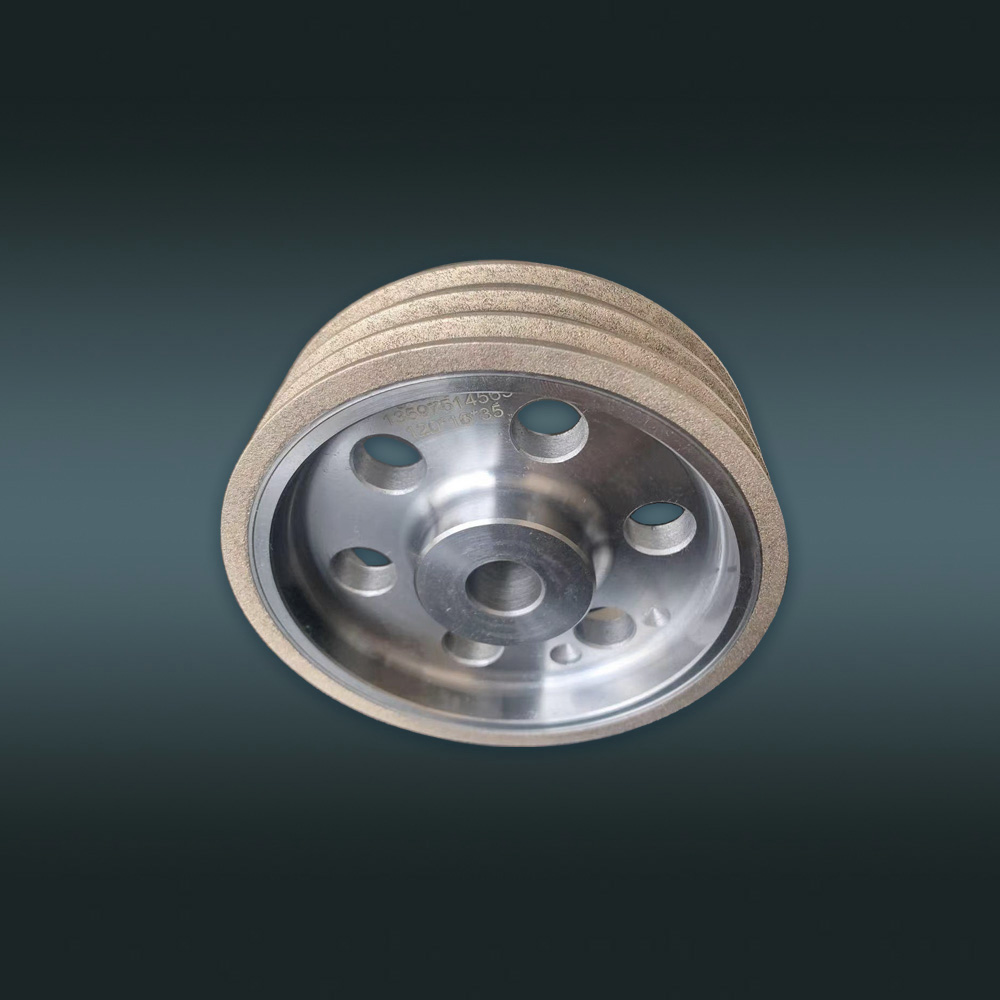
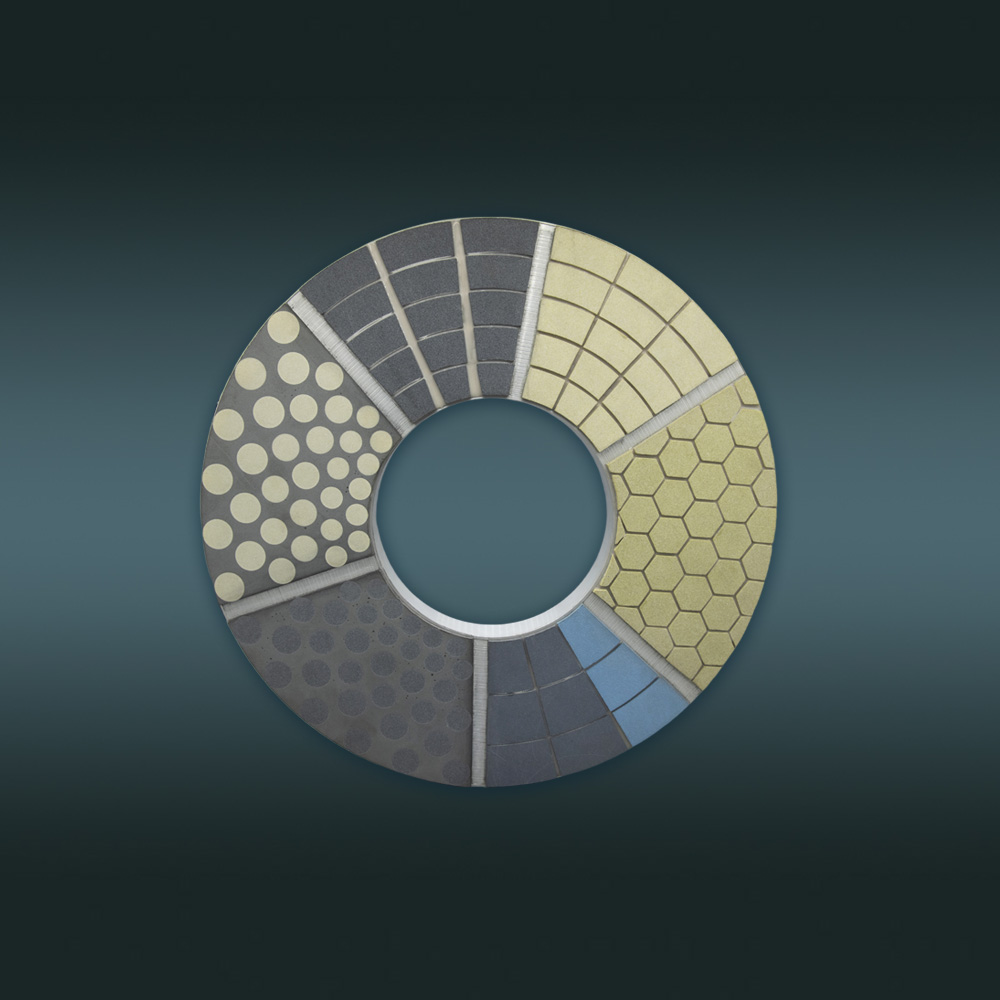
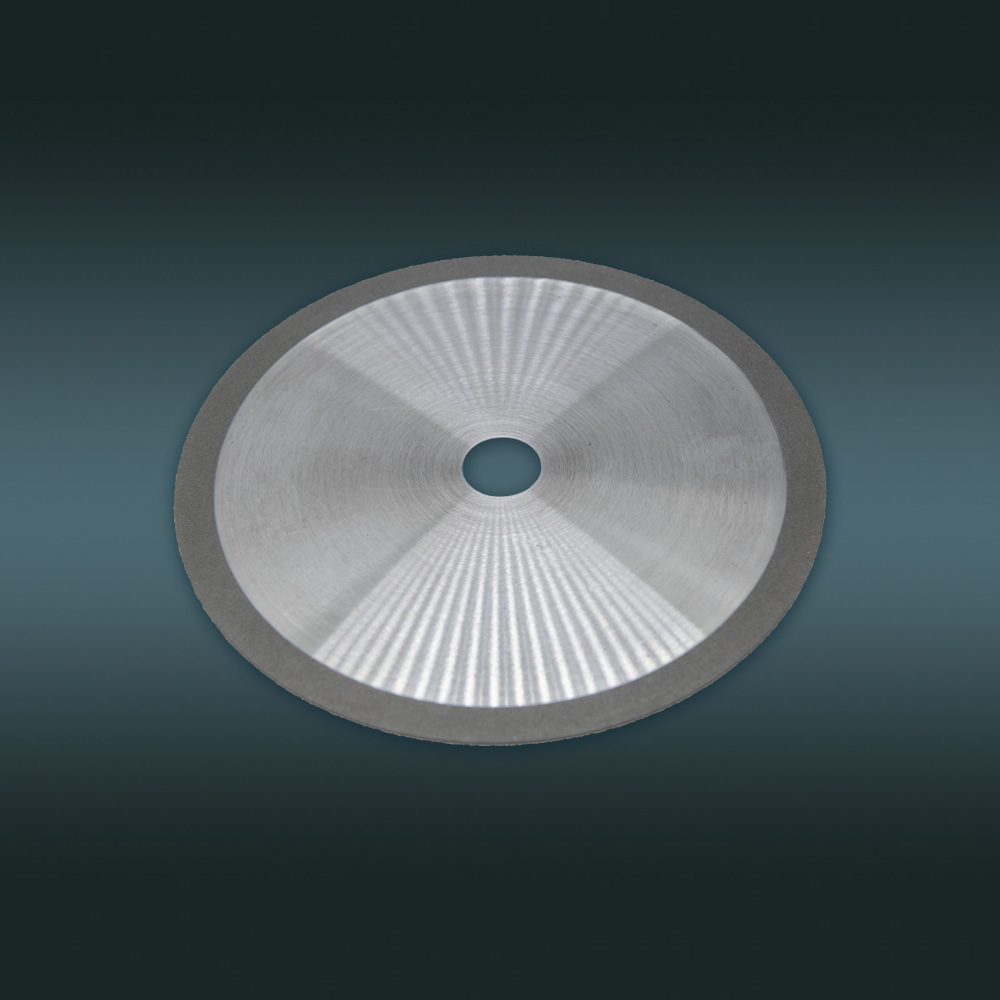
Heat generation is one of the most common causes of grinding wheel wear and failure. During grinding, high temperatures can soften bonding materials, reduce abrasive retention, and cause thermal damage to both the wheel and the workpiece. Inadequate cooling increases the risk of wheel glazing, cracking, and premature wear. Proper coolant application and effective heat management are essential for maintaining wheel performance and extending service life. Grinding wheel bond type significantly influences wear characteristics. Resin bond wheels offer flexibility and fine finishes but may wear faster under heavy loads or high temperatures. Metal bond wheels provide superior durability and shape retention but can generate higher grinding forces. Vitrified bond wheels offer excellent thermal stability and precision, while electroplated wheels deliver aggressive cutting performance with limited reconditioning capability. Selecting the correct bond type for the application is critical for reducing wear and improving efficiency.
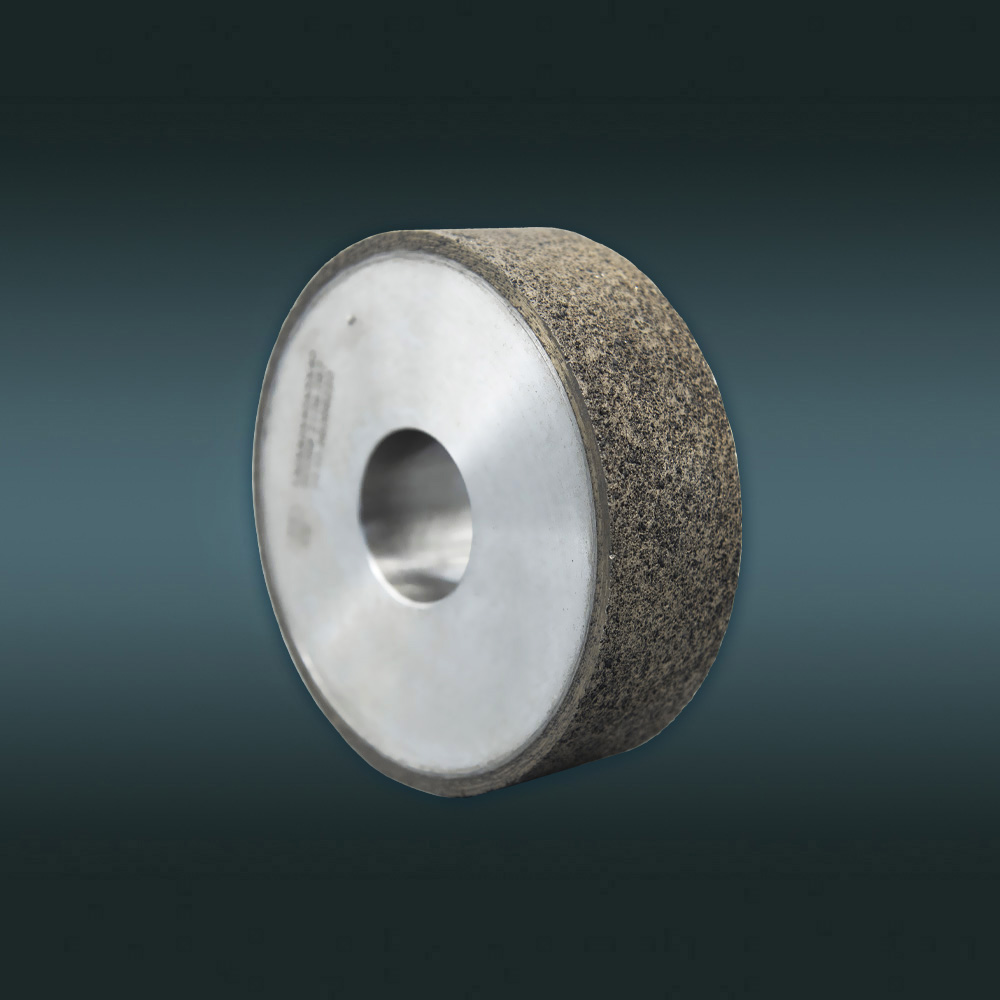
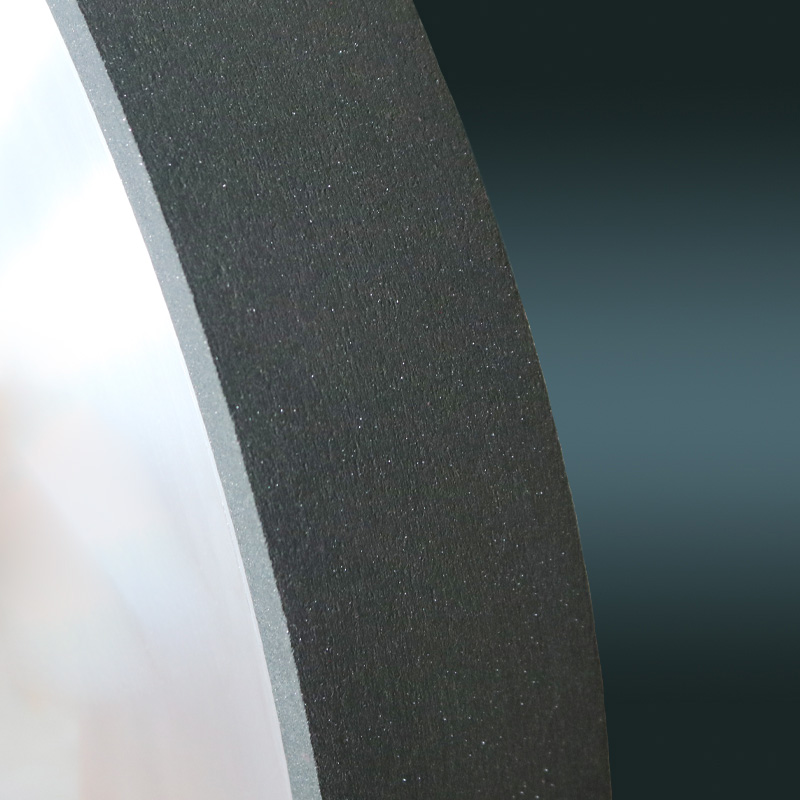
Abrasive grain size and concentration also affect wheel performance. Coarse grains remove material quickly but may produce rougher surfaces and higher stress on the wheel. Fine grains provide smoother finishes but may load more easily during heavy grinding. Similarly, improper abrasive concentration can reduce cutting efficiency or increase wheel wear. Optimizing abrasive characteristics ensures balanced grinding behavior and longer wheel life. Wheel loading is another common issue that contributes to grinding wheel failure. Loading occurs when chips or debris become trapped between abrasive grains, reducing cutting efficiency and increasing friction. This can lead to overheating, glazing, and surface damage. Proper wheel selection, coolant flow, and dressing practices help minimize loading and maintain effective cutting action.
Improper dressing and maintenance practices can also shorten grinding wheel life. Dressing restores wheel sharpness and corrects profile accuracy, but excessive or incorrect dressing can remove too much abrasive material and weaken the wheel structure. Regular but controlled dressing helps maintain optimal performance while preserving wheel integrity. Machine condition and operator practices are equally important factors. Poor machine rigidity, spindle vibration, or improper wheel mounting can create uneven wear and reduce grinding accuracy. Inexperienced operation, such as excessive pressure or incorrect parameter settings, can further accelerate wheel failure. Proper machine maintenance and operator training are essential for achieving stable grinding conditions.
In conclusion, grinding wheel wear and failure are influenced by multiple interconnected factors, including material type, grinding parameters, heat generation, bond selection, abrasive characteristics, and machine conditions. By understanding and controlling these factors, manufacturers can improve grinding efficiency, extend wheel life, and maintain consistent product quality. Proper wheel selection, process optimization, and preventive maintenance are key to achieving reliable and cost-effective grinding performance in modern manufacturing environments.