The Complete Manufacturing Process of Diamond and CBN Grinding Wheels
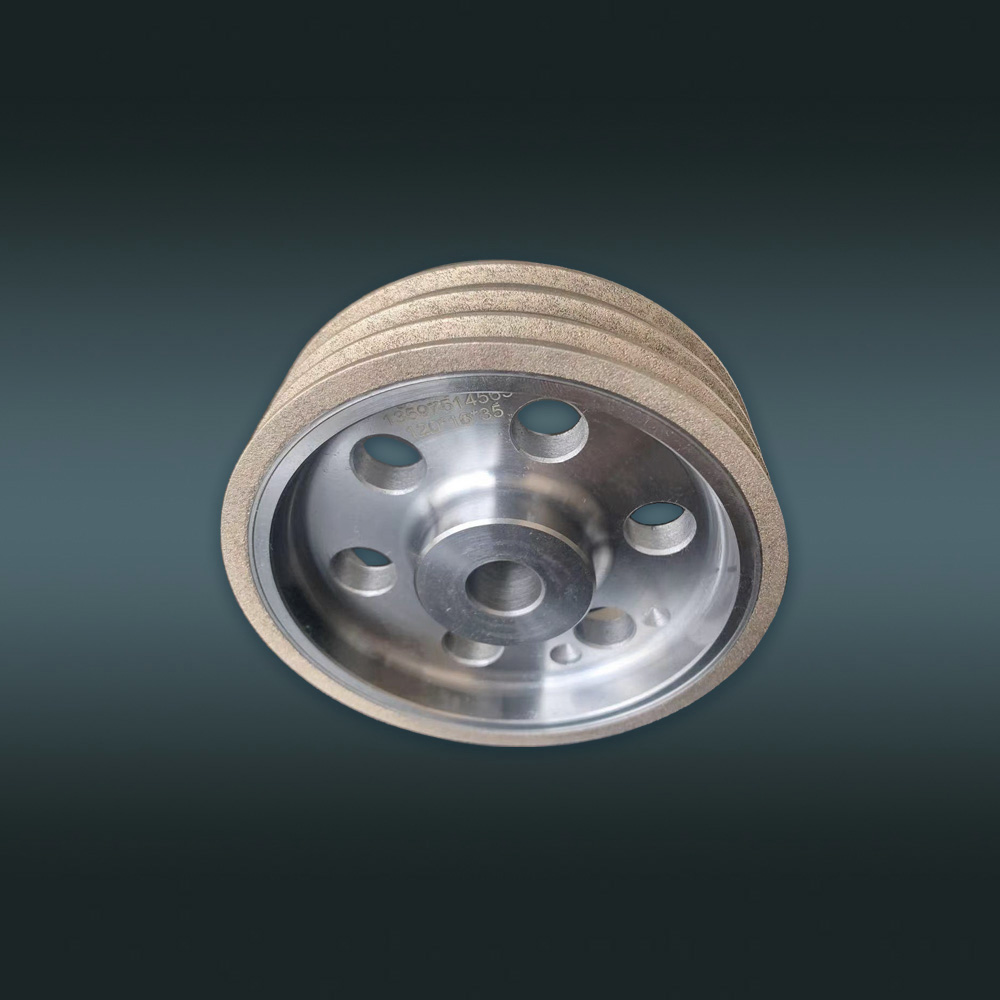
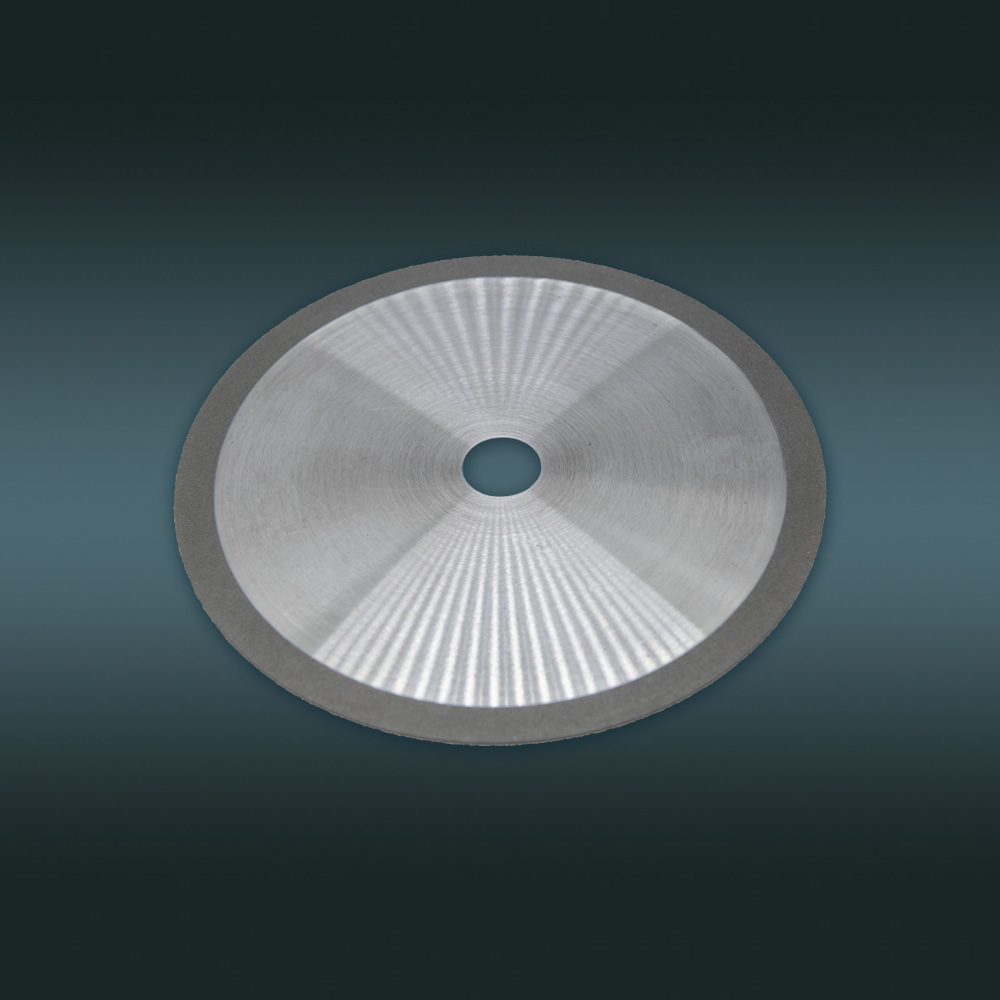
Diamond and CBN grinding wheels are essential precision tools used in advanced manufacturing industries, including aerospace, automotive, semiconductor, medical devices, cutting tools, mold production, and precision ceramics. Due to their exceptional hardness, wear resistance, and cutting efficiency, these superhard grinding wheels enable manufacturers to process difficult-to-machine materials with high accuracy. However, producing high-performance diamond and CBN grinding wheels requires advanced manufacturing technology, strict quality control, and precise engineering throughout every production stage. The manufacturing process begins with the careful selection of superhard abrasive materials. Diamond abrasives are mainly used for processing non-ferrous and extremely hard materials such as carbide, ceramics, glass, sapphire, and semiconductor components. CBN abrasives are preferred for grinding ferrous materials, including hardened steel, high-speed steel, tool steel, and superalloys. The quality, shape, size, and strength of diamond or CBN grains directly influence the cutting performance, durability, and surface finish of the final grinding wheel.
The next important step is abrasive grain preparation and classification. Diamond and CBN particles are carefully screened according to grit size, shape, strength, and consistency. Different grinding applications require different abrasive specifications. Coarser grains are typically selected for high material removal rates, while finer grains are used for precision finishing operations. Proper grain selection ensures that the grinding wheel achieves the desired balance between cutting efficiency, surface quality, and tool life. After abrasive preparation, the bonding system is selected according to the intended application. The bond plays a crucial role in holding abrasive grains securely while controlling grain exposure and wear behavior. Diamond and CBN grinding wheels can be manufactured using various bond systems, including resin bond, metal bond, vitrified bond, electroplated bond, and brazed structures. Resin bonds provide excellent finishing performance and flexibility, metal bonds offer superior durability and shape retention, vitrified bonds provide high precision and thermal stability, while electroplated and brazed bonds are suitable for customized and aggressive grinding applications.
For resin bond grinding wheels, diamond or CBN abrasives are mixed with resin powders and other additives before being pressed into the required shape. The mixture is carefully distributed to achieve uniform abrasive concentration. The wheel is then cured under controlled temperature conditions to strengthen the bond structure and ensure reliable abrasive retention. Metal bond grinding wheels are produced by combining diamond or CBN grains with metal powders such as bronze, nickel, or other alloy materials. Through a sintering process, the metal bond securely locks the abrasive grains into place. Metal bond wheels are widely used in applications requiring high wear resistance, excellent profile retention, and long service life, such as precision machining of ceramics, glass, and carbide materials.
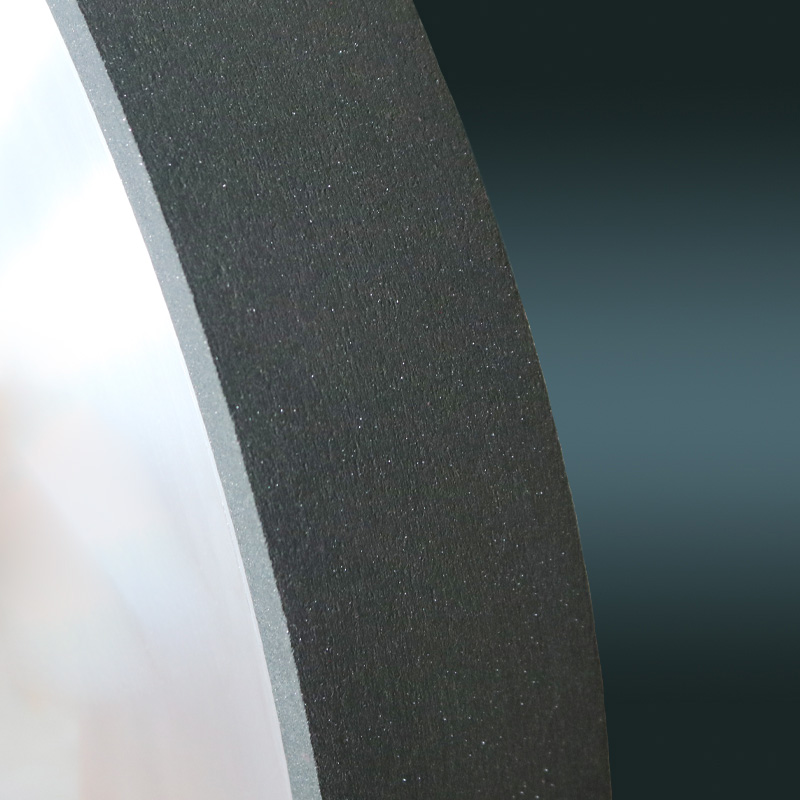
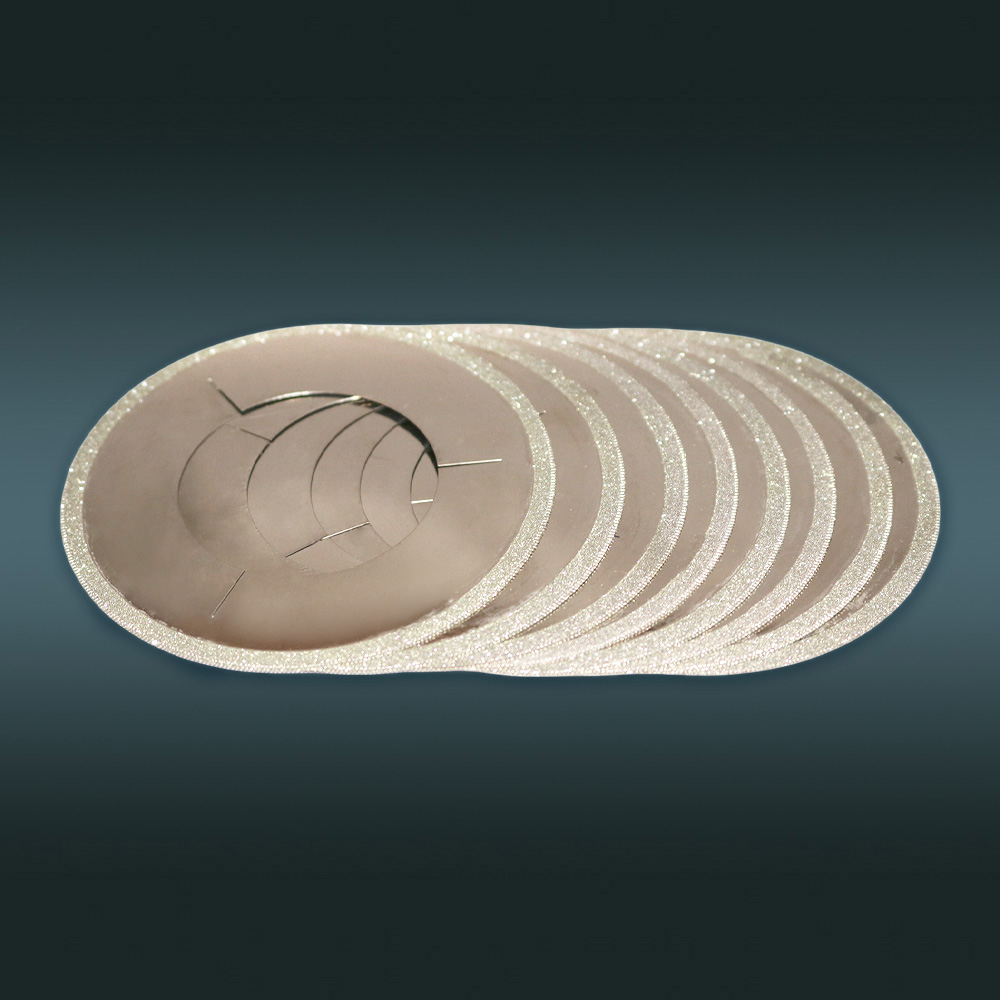
Vitrified bond grinding wheels require a high-temperature firing process. Abrasive grains are mixed with ceramic bonding materials and formed into the desired wheel shape before being heated in a controlled furnace. This process creates a rigid and porous structure that provides excellent cutting ability, heat resistance, and dimensional stability. Vitrified diamond and CBN wheels are especially suitable for high-precision grinding applications. Electroplated grinding wheels use a different manufacturing approach. Instead of embedding abrasives throughout the wheel structure, diamond or CBN grains are deposited onto the surface of a metal core through an electrochemical process. The abrasive particles are positioned precisely and fixed with a strong nickel bond layer. This allows electroplated wheels to provide excellent cutting performance, complex profiles, and customized geometries for specialized applications.
Brazed diamond and CBN grinding wheels are manufactured by using advanced brazing technology to firmly attach abrasive grains to the wheel surface. This creates a strong chemical bond between the abrasive particles and the base material, allowing higher grain exposure and aggressive cutting performance. Brazed tools are often used for demanding applications requiring high efficiency and long-lasting sharpness. After the forming and bonding processes are completed, grinding wheels undergo precision machining and finishing. The wheels are carefully shaped, balanced, and adjusted to meet specific dimensional requirements. Wheel accuracy is extremely important because any imbalance or geometric error can affect grinding performance, surface quality, and machine stability.
Quality inspection is a critical stage in the manufacturing process. Professional manufacturers perform strict testing on abrasive distribution, bonding strength, wheel dimensions, hardness, balance, and grinding performance. Advanced inspection methods ensure that every grinding wheel meets industry requirements and delivers consistent performance in real-world applications. Before delivery, finished diamond and CBN grinding wheels are carefully inspected and packaged according to customer requirements. Proper packaging protects the tools from damage during transportation and ensures that the wheels arrive in optimal condition for installation and use. Customized specifications, including wheel size, bond type, grit size, and abrasive concentration, can also be provided to meet different customer production needs.