How Precision Balancing Improves Grinding Wheel Performance
Precision balancing is an important factor in achieving stable, accurate, and efficient grinding operations. As manufacturing industries increasingly rely on high-speed CNC and automated grinding systems, even small wheel imbalances can affect machining quality and equipment performance. For diamond and CBN grinding wheels, proper balancing helps minimize vibration, improve dimensional accuracy, extend tool life, and maintain consistent surface finishes throughout production. A grinding wheel rotates at high speed during operation, making uniform weight distribution essential. An imbalanced wheel creates centrifugal forces as it rotates, which can generate vibration and uneven contact with the workpiece. The faster the wheel rotates, the more significant the effects of imbalance can become. Precision balancing ensures that the wheel rotates smoothly around its intended axis, creating more stable grinding conditions.
One of the most noticeable benefits of a properly balanced grinding wheel is reduced vibration. Excessive vibration can produce visible marks, uneven surfaces, chatter, and dimensional variations on the workpiece. It can also make it difficult to maintain consistent grinding conditions. By minimizing imbalance, manufacturers can achieve smoother wheel rotation and more controlled abrasive contact, resulting in improved surface quality and machining accuracy. Precision balancing is particularly important for diamond and CBN grinding wheels used in high-precision applications. These superhard grinding tools are commonly used for processing carbide, hardened steel, ceramics, semiconductor materials, optical components, and other difficult-to-machine materials. Such applications often require extremely tight tolerances, meaning even minor vibration can affect the final product. A well-balanced wheel supports the stable cutting action necessary for high-precision manufacturing.
Another advantage of precision balancing is improved wheel life. An unbalanced grinding wheel may experience uneven mechanical loading, causing certain areas of the abrasive layer to wear faster than others. This uneven wear can gradually change the wheel's geometry and reduce its cutting efficiency. Balanced rotation distributes grinding forces more evenly, helping the abrasive layer wear in a more controlled manner and extending usable tool life. Machine spindle protection is another important consideration. Continuous vibration caused by an unbalanced wheel can place additional stress on spindle bearings and other machine components. Over time, this may accelerate mechanical wear and increase maintenance requirements. Properly balanced grinding wheels reduce unnecessary vibration and mechanical stress, helping protect expensive grinding equipment and improving long-term machine reliability.
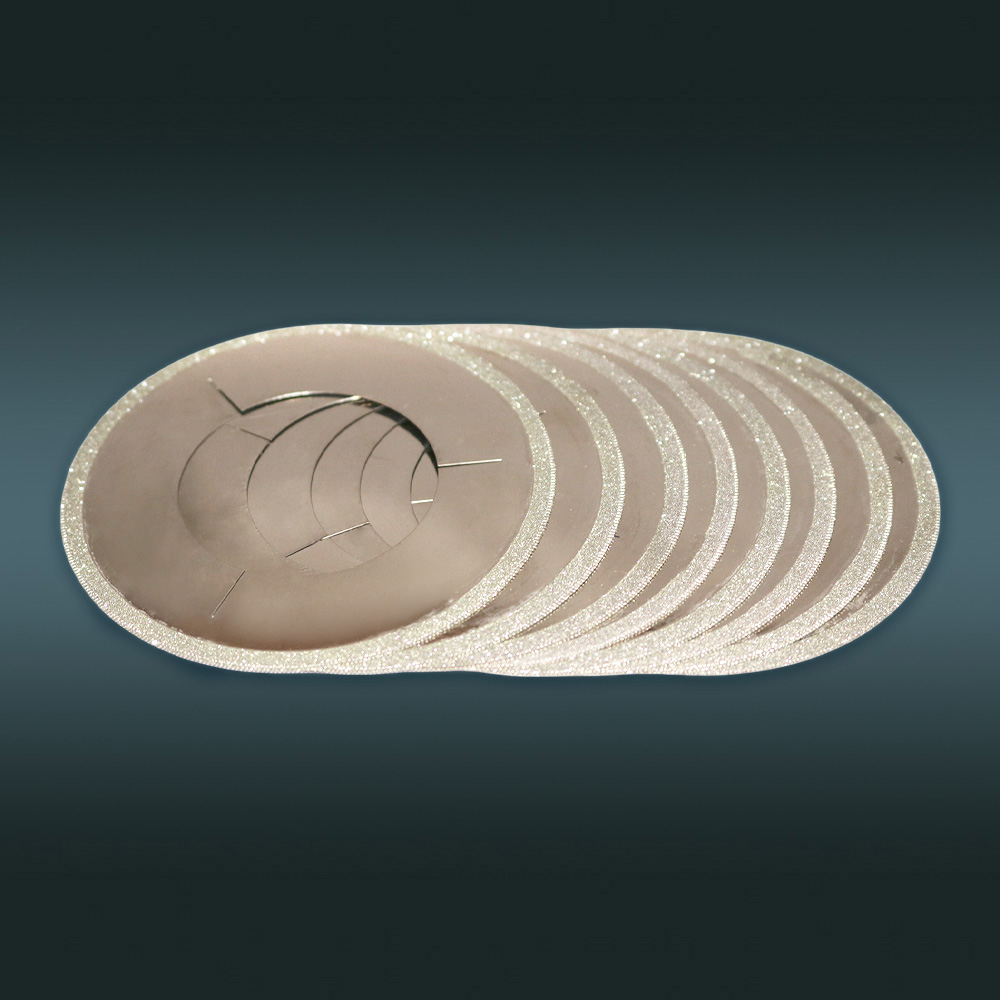
Precision balancing can also improve grinding efficiency. When vibration and uneven loading are minimized, more of the wheel's energy can be used for productive material removal rather than unwanted movement. This creates a more stable grinding process and allows manufacturers to optimize grinding parameters more effectively. In high-volume production, even small improvements in process stability can result in significant productivity gains. Heat generation can also be influenced by wheel balance. An unbalanced wheel may create inconsistent contact pressure between the abrasive surface and workpiece. This can increase friction in localized areas and contribute to uneven heat generation. A balanced wheel provides more uniform contact, supporting better heat distribution and reducing the risk of thermal damage such as grinding burns or surface defects.
Precision balancing is especially valuable in high-speed grinding applications. As rotational speed increases, the effect of even a small imbalance becomes more significant. High-speed grinding therefore requires careful control of wheel geometry, mounting, and balance. Combining a precisely balanced grinding wheel with appropriate spindle settings, coolant delivery, and grinding parameters helps manufacturers achieve reliable performance under demanding operating conditions. Proper mounting is also essential after balancing. Even a precisely balanced grinding wheel can develop imbalance if it is installed incorrectly or if the mounting components are not properly aligned. Manufacturers should follow appropriate installation procedures and ensure that the wheel, spindle, flange, and other components are clean, secure, and correctly positioned. Regular inspection can help maintain balance throughout the wheel's service life.
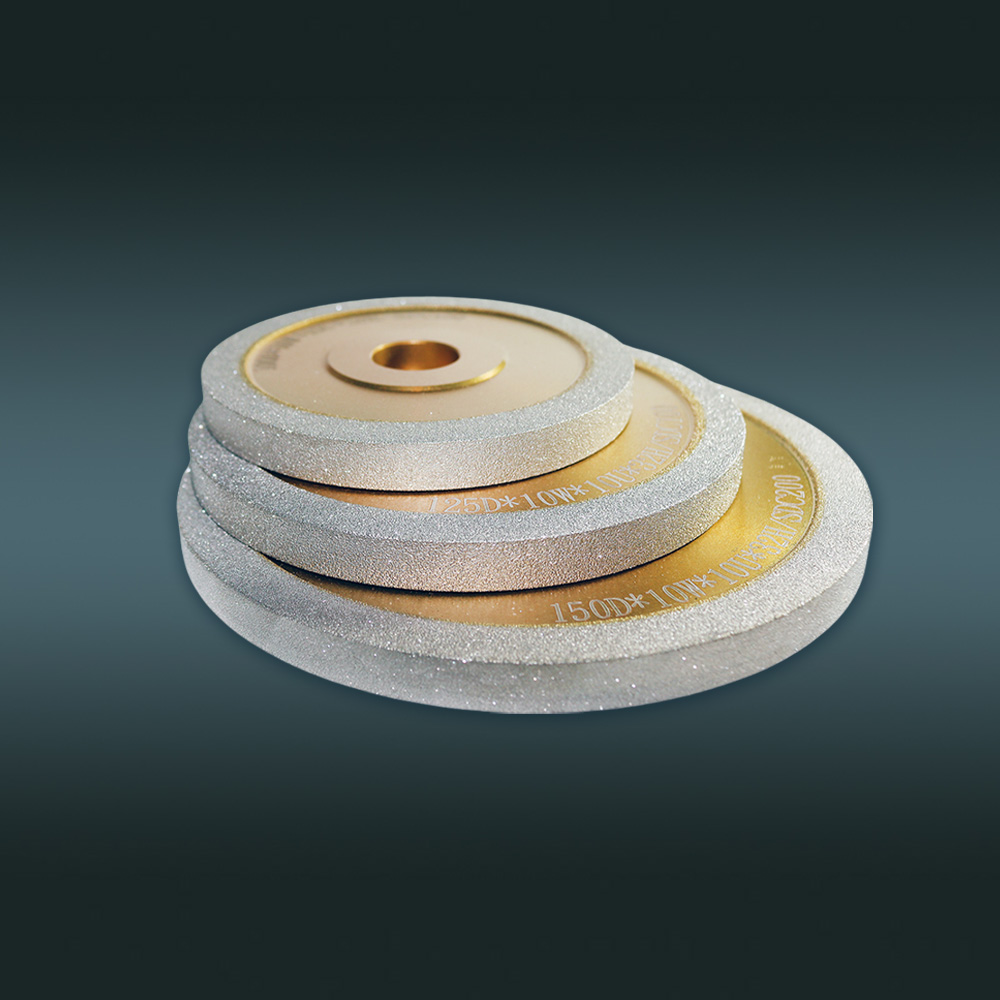
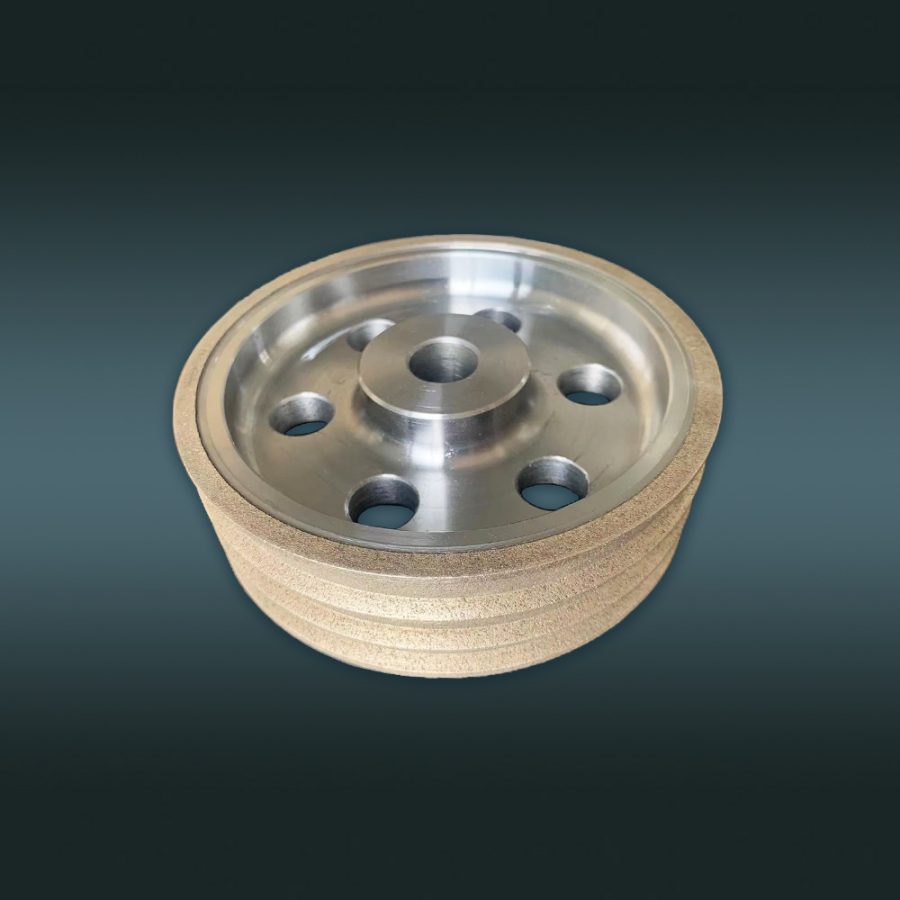
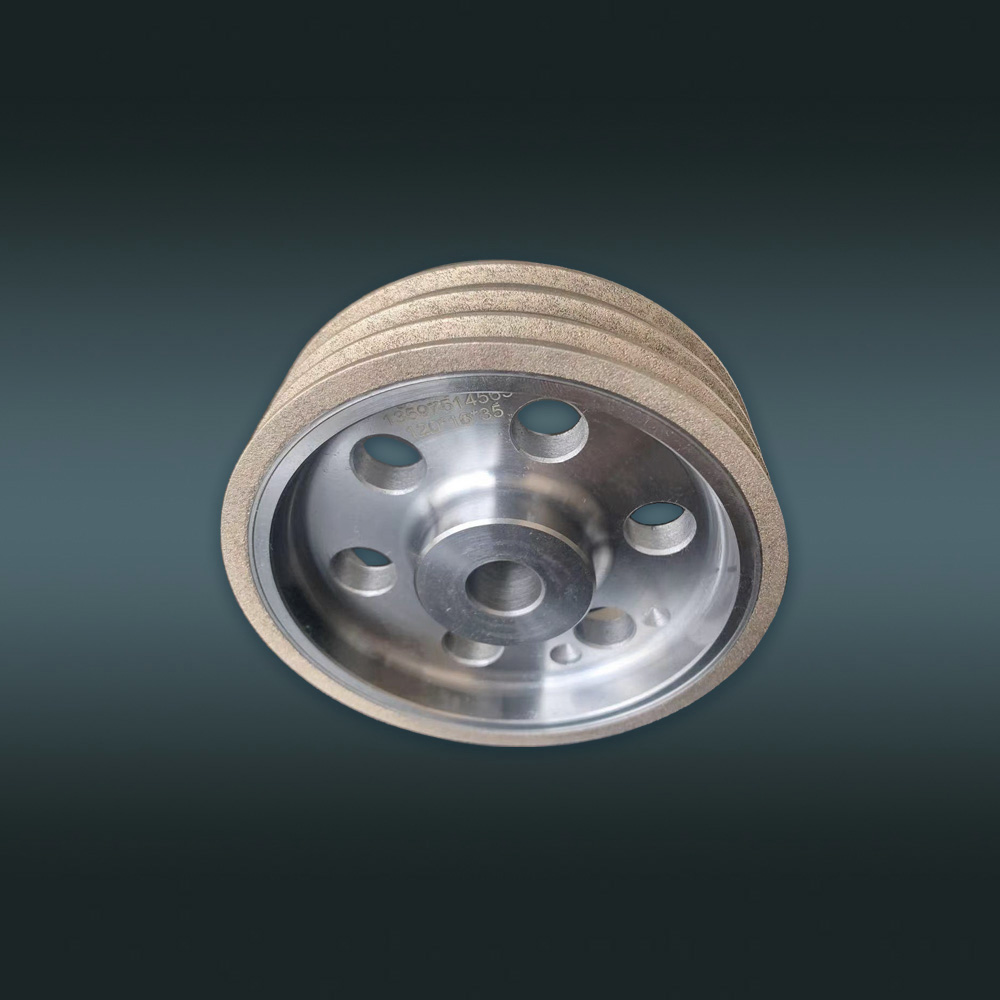
For specialized applications, manufacturers may also provide customized grinding wheels designed around specific machine configurations and production requirements. Factors such as wheel dimensions, abrasive concentration, bond type, operating speed, and mounting structure can all influence balancing requirements. Customized diamond and CBN grinding solutions allow manufacturers to optimize wheel performance for particular CNC machines and precision grinding processes. In conclusion, precision balancing is essential for maximizing grinding wheel performance. By reducing vibration, improving dimensional accuracy, promoting uniform wear, protecting machine components, and supporting stable high-speed operation, proper balancing helps manufacturers achieve better productivity and product quality. For diamond and CBN grinding wheels used in demanding industries, precision balancing should be considered an important part of overall tool selection and process optimization.