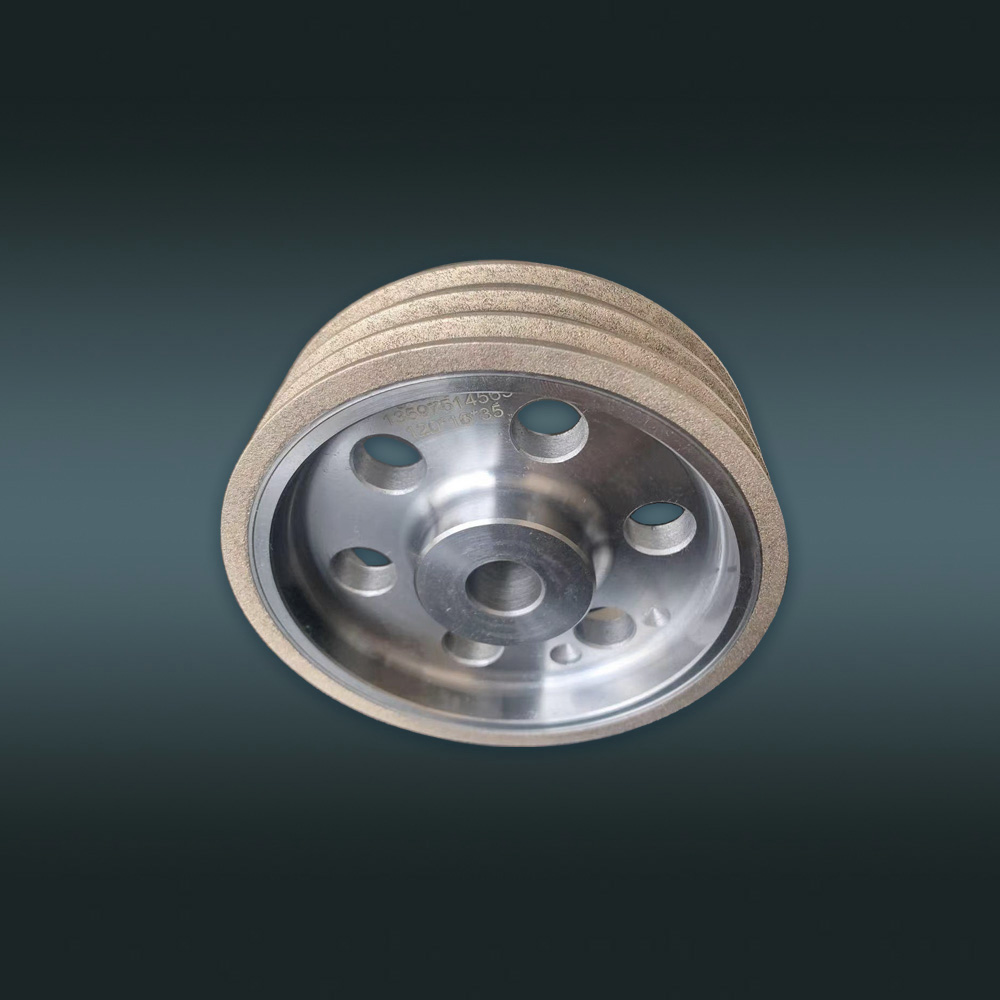
How to Select the Ideal Diamond Grinding Wheel for Your Production Line
Selecting the right diamond grinding wheel is an important decision for manufacturers working with hard and difficult-to-machine materials. The correct wheel can improve material removal, dimensional accuracy, surface finish, tool life, and overall production efficiency. On the other hand, an unsuitable grinding wheel may result in excessive wear, heat generation, poor surface quality, and unnecessary downtime. For this reason, manufacturers should evaluate several factors before choosing a diamond grinding wheel for their production line. The first consideration is the material being processed. Diamond grinding wheels are particularly effective for hard, brittle, and non-ferrous materials such as tungsten carbide, ceramics, glass, sapphire, graphite, composites, and semiconductor materials. Different materials have different grinding characteristics, so the wheel specification should be selected according to material hardness, brittleness, thermal sensitivity, and required machining accuracy. Matching the abrasive to the workpiece is the foundation of reliable grinding performance.
Grit size is another important factor. Coarse diamond grits generally provide higher material removal rates and are suitable for rough grinding or stock removal. Fine diamond grits are better suited to finishing operations where a smooth surface and precise dimensions are required. Production lines involving multiple grinding stages may benefit from using different grit sizes at different stages, allowing manufacturers to combine efficient stock removal with high-quality finishing. Abrasive concentration should also be carefully considered. A higher diamond concentration can provide better abrasive retention, wear resistance, and dimensional stability, making it suitable for demanding or long-duration grinding operations. Lower concentrations provide greater spacing between abrasive grains, which can improve chip clearance and cutting efficiency in certain applications. The optimal concentration depends on the workpiece material, grinding parameters, wheel design, and production objectives.
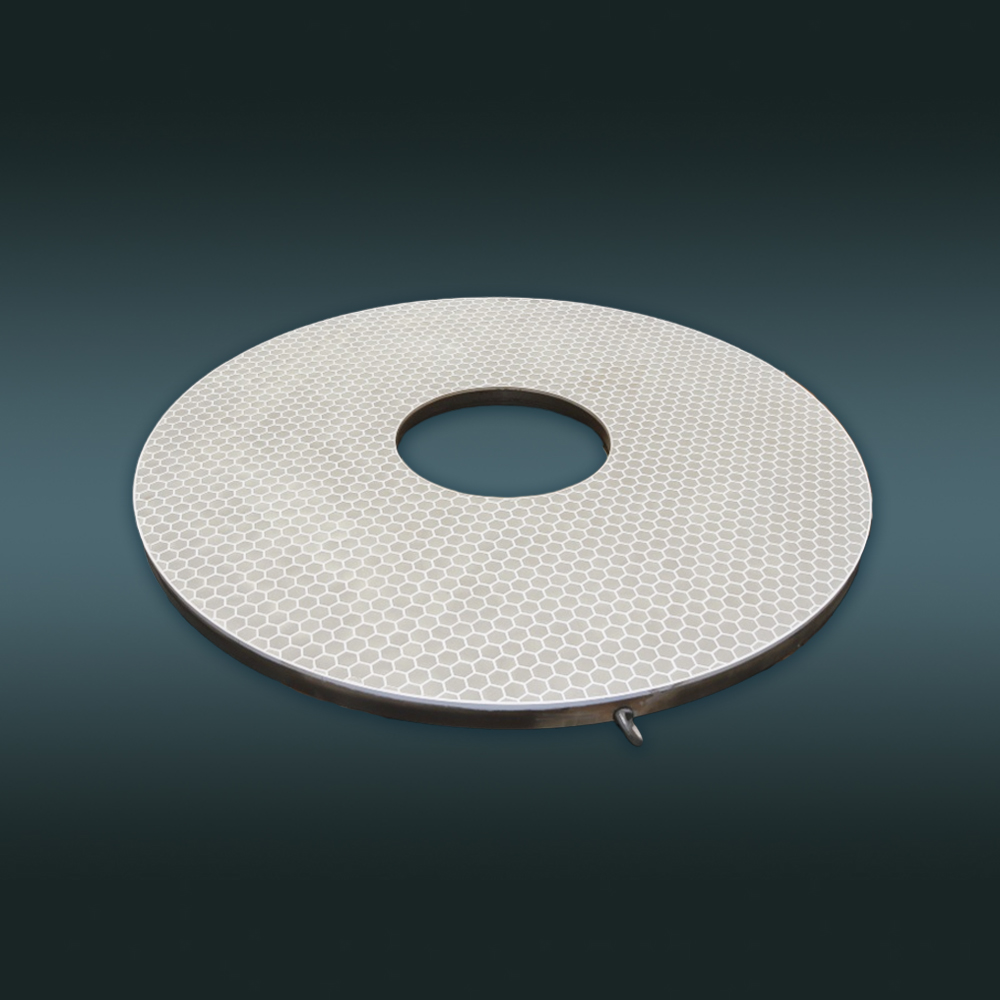
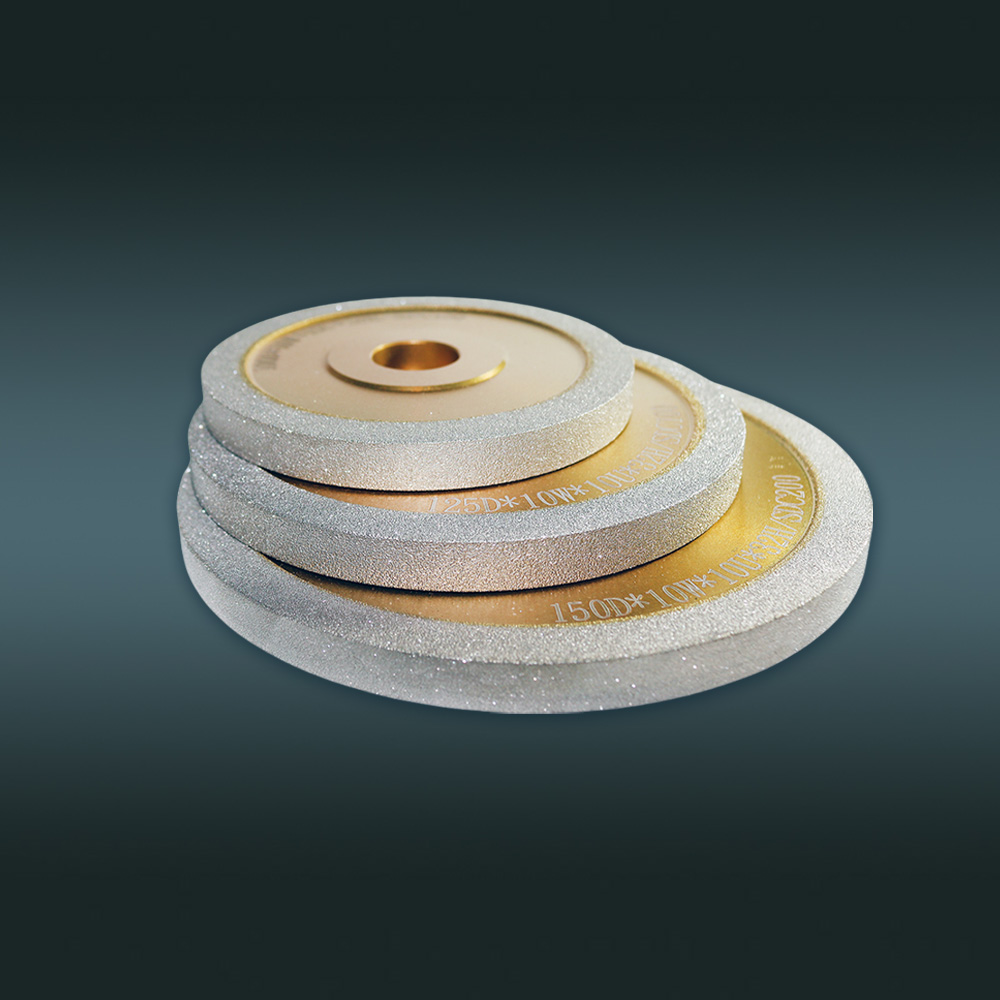
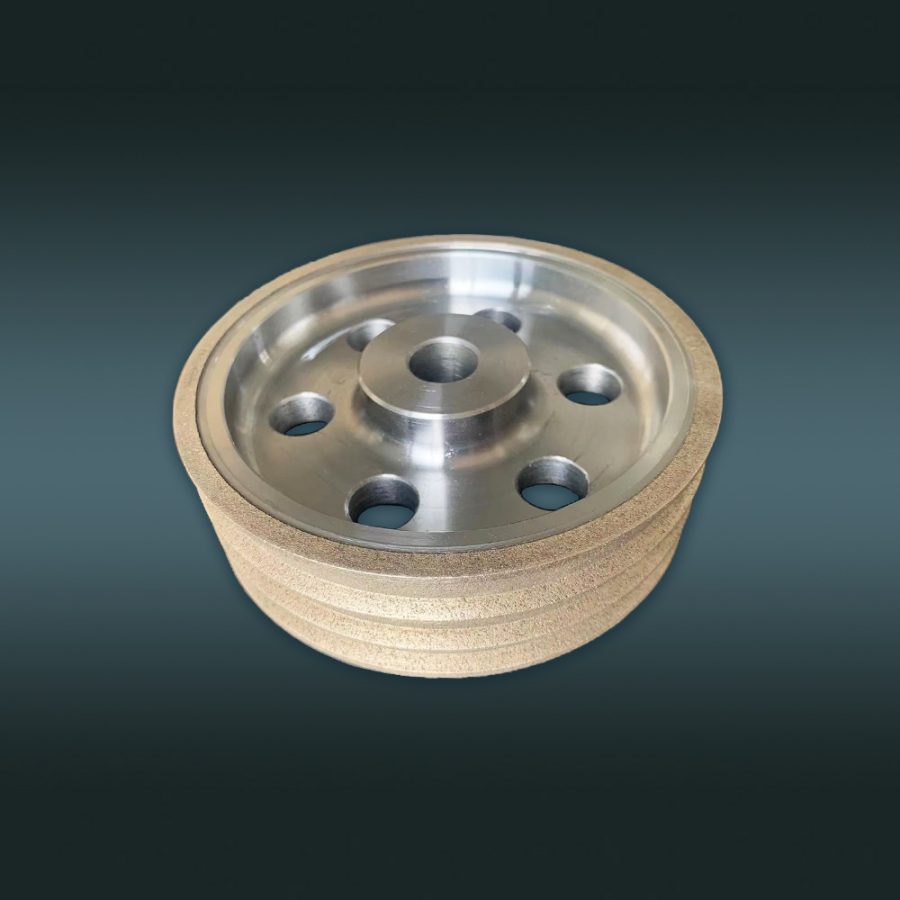
The bond type has a major influence on grinding wheel behavior. Resin bond diamond wheels are commonly selected for applications requiring smooth surface finishes and controlled cutting action. Metal bronze bond wheels provide excellent durability and shape retention, making them suitable for demanding grinding operations. Vitrified bond wheels offer rigidity, thermal stability, and efficient chip evacuation. Electroplated and brazed diamond wheels provide high abrasive exposure and can be designed for specialized profiles and aggressive cutting applications. Wheel geometry and dimensions must be compatible with the production equipment. Manufacturers should consider outside diameter, thickness, bore size, profile, and mounting configuration before placing an order. For complex components, customized wheel profiles can help reduce the number of machining steps and improve dimensional accuracy. A properly designed wheel can also improve accessibility when grinding narrow grooves, intricate contours, or difficult-to-reach surfaces.
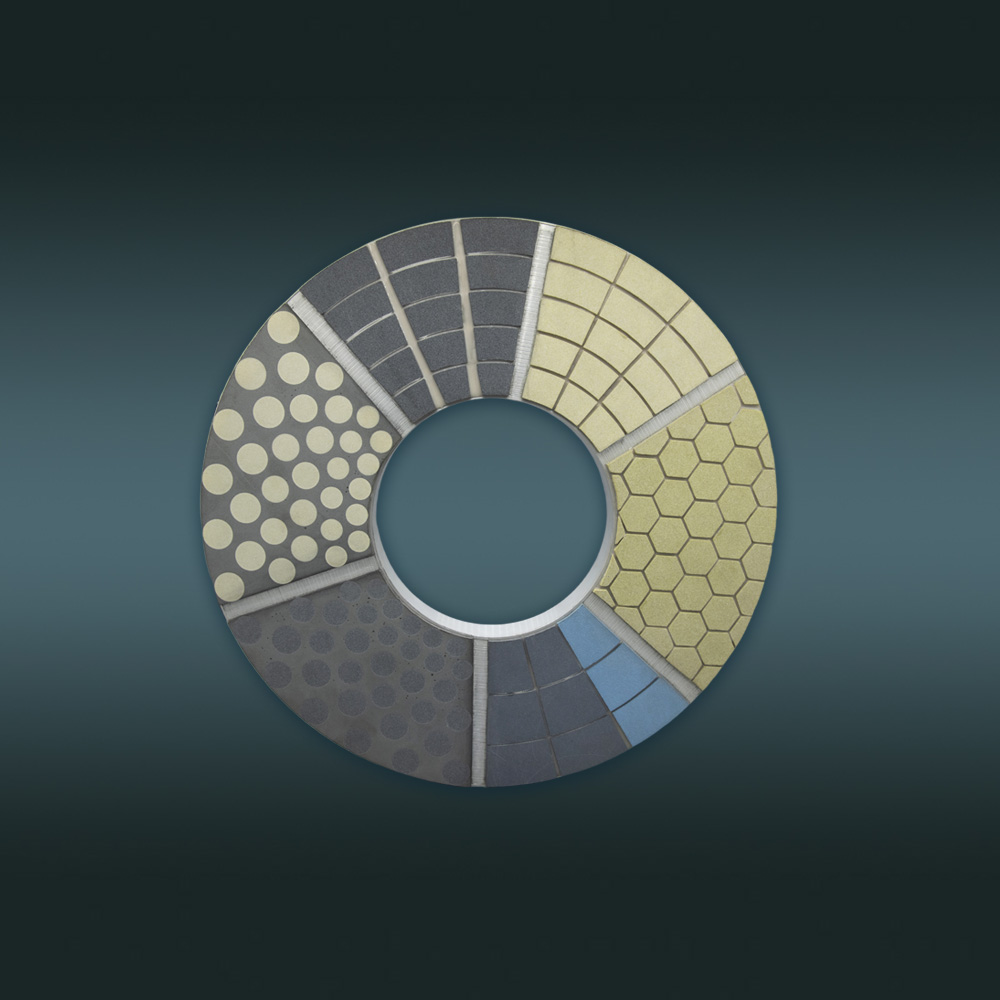
Operating speed is another essential consideration. Every grinding wheel has appropriate operating conditions based on its construction, abrasive type, bond system, and dimensions. Manufacturers should ensure that the selected wheel is compatible with the spindle speed and capabilities of the grinding machine. Proper speed selection helps balance cutting efficiency, wheel wear, heat generation, and process stability. Coolant requirements should also be evaluated when selecting a diamond grinding wheel. Effective coolant delivery helps control heat, remove grinding debris, and reduce the risk of thermal damage. Wheel structures with suitable chip clearance can improve coolant access to the grinding zone. For high-volume production, selecting a wheel that performs effectively with the existing coolant system can contribute to more stable and consistent manufacturing.
Production volume and desired tool life are equally important. A wheel designed for occasional precision grinding may have different specifications from one intended for continuous high-volume production. Manufacturers should consider expected service life, dressing requirements, replacement frequency, and total operating costs rather than focusing only on the initial purchase price. A higher-performance grinding wheel can provide better long-term value when it reduces downtime and improves productivity. Customization can be particularly valuable for specialized production lines. A professional diamond grinding tool manufacturer can optimize grit size, abrasive concentration, bond type, wheel dimensions, and profile according to specific machining requirements. Customized solutions allow manufacturers to address unique materials, machine configurations, component geometries, and production targets while improving process consistency.
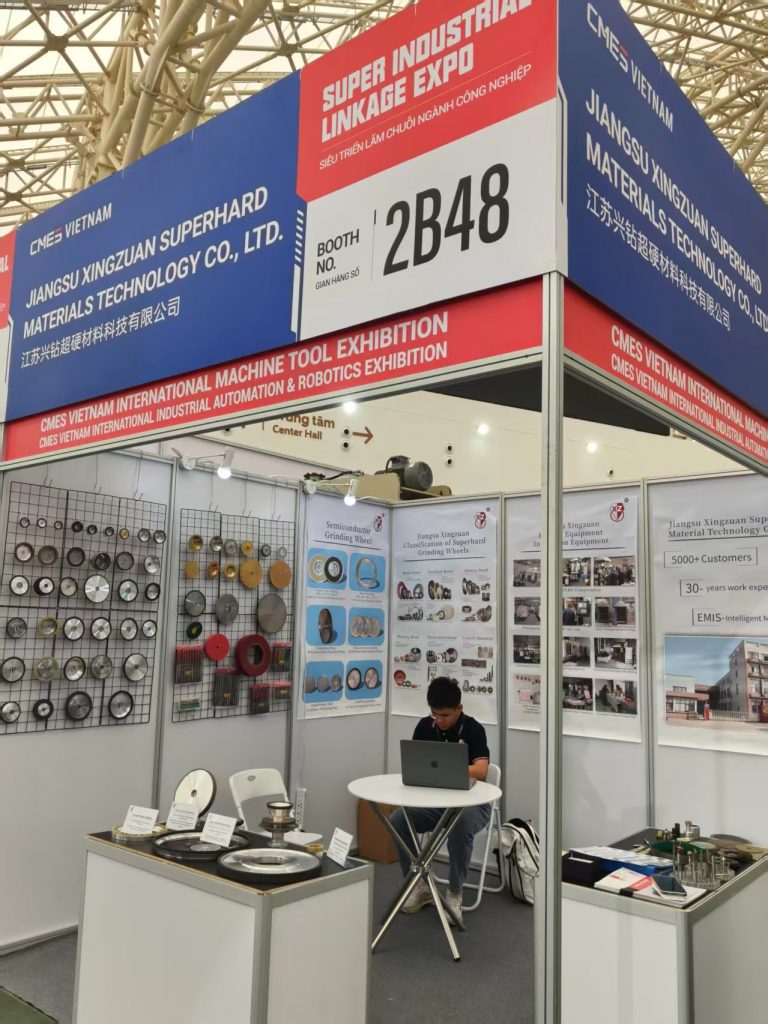
Quality and manufacturing expertise should also be considered when choosing a supplier. Consistent abrasive distribution, accurate dimensions, reliable bonding, proper wheel balance, and strict inspection are essential for achieving stable grinding performance. Working with an experienced manufacturer such as Jiangsu Xingzuan Superhard Material Technology Co., Ltd. provides access to multiple diamond and CBN grinding tool series, including electroplated, metal bronze, resin, vitrified, and brazing solutions for diverse industrial applications. In conclusion, selecting the ideal diamond grinding wheel requires more than simply choosing a wheel based on abrasive type. Material characteristics, grit size, concentration, bond type, wheel geometry, operating speed, coolant conditions, production volume, and customization requirements should all be evaluated together. By carefully matching the grinding wheel to the production process, manufacturers can achieve higher efficiency, longer tool life, improved surface quality, and more consistent machining accuracy. A properly selected diamond grinding wheel can become an important part of a reliable and cost-effective precision manufacturing system.