Diamond vs CBN Abrasives: Which Material Delivers Better Performance?
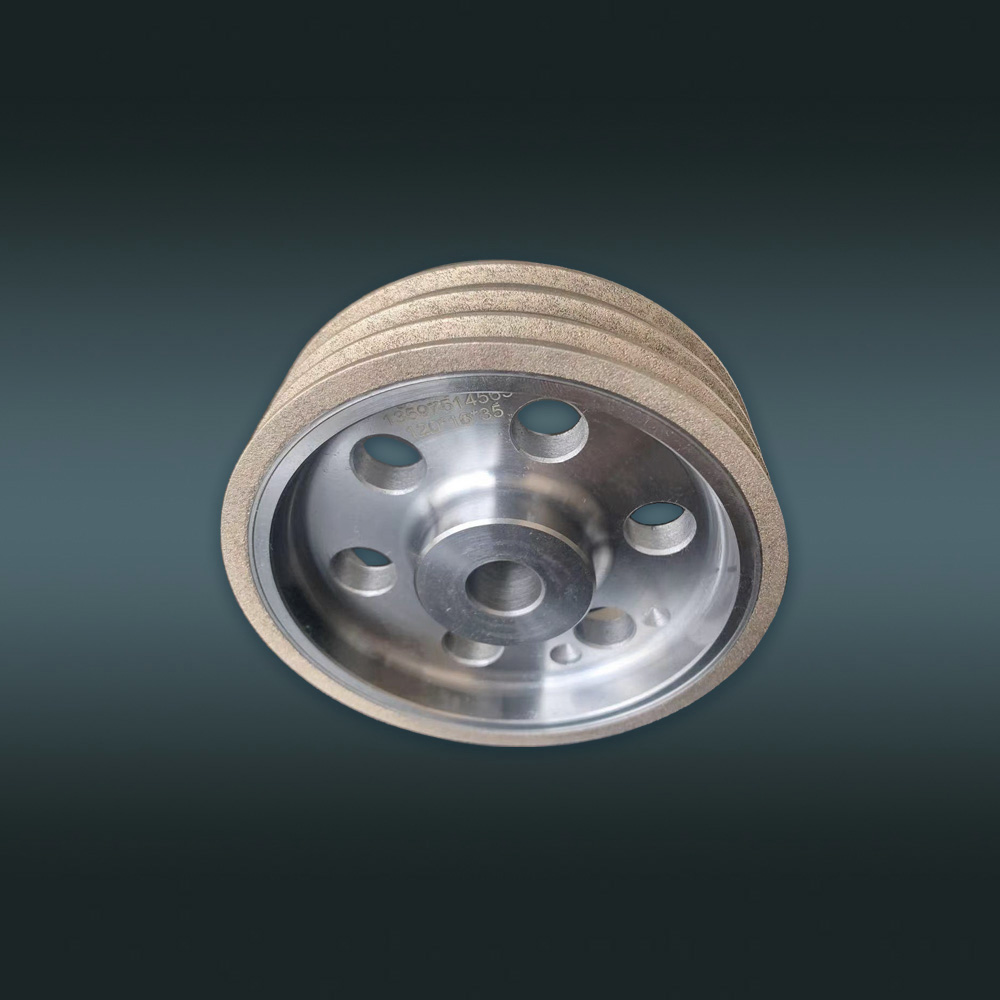
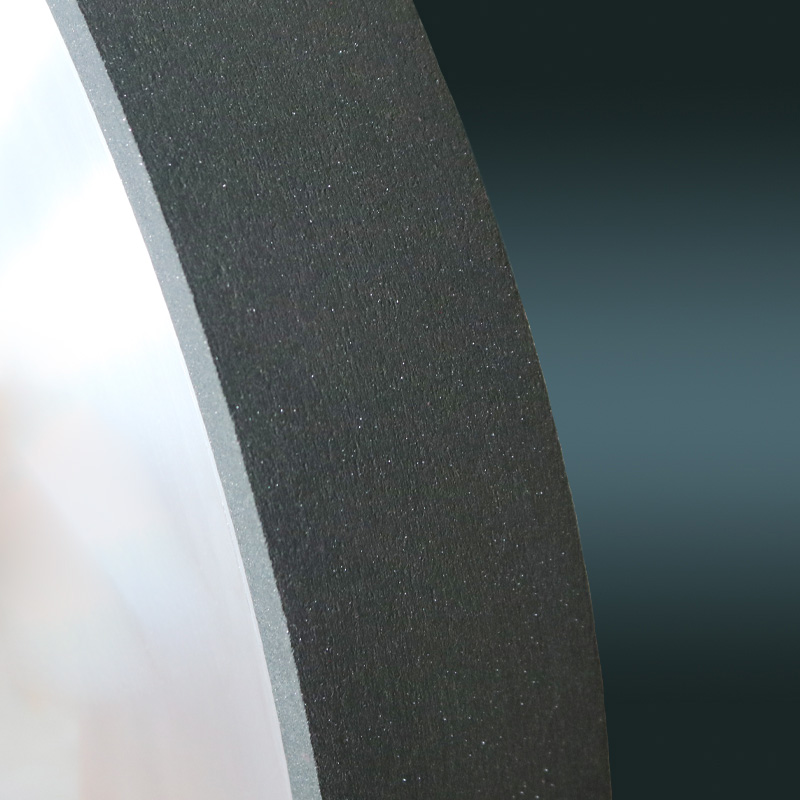
Diamond and cubic boron nitride (CBN) are the two most widely used superhard abrasives in modern precision grinding. Both materials offer exceptional hardness, wear resistance, and cutting performance compared to conventional abrasives such as aluminum oxide and silicon carbide. However, they are designed for different applications and materials. Understanding the differences between diamond and CBN abrasives helps manufacturers select the most suitable grinding solution to maximize efficiency, precision, and tool life. Diamond is the hardest known material, making it the preferred abrasive for grinding non-ferrous and extremely hard materials. It is widely used for processing tungsten carbide, ceramics, glass, sapphire, quartz, graphite, composites, semiconductor materials, and other brittle or wear-resistant materials. Its exceptional hardness enables rapid material removal while maintaining excellent dimensional accuracy and surface finish.
CBN, or cubic boron nitride, ranks second only to diamond in hardness but offers superior chemical stability when grinding ferrous materials. Unlike diamond, CBN does not react with iron at high temperatures, making it the ideal choice for machining hardened steel, high-speed steel (HSS), tool steel, bearing steel, cast iron, and nickel-based superalloys. This unique property allows CBN grinding wheels to deliver excellent performance in applications where diamond wheels are not suitable. One of the biggest differences between diamond and CBN abrasives is their compatibility with workpiece materials. Diamond performs exceptionally well on non-metallic and non-ferrous materials because it maintains sharp cutting edges and provides high grinding efficiency. However, when grinding ferrous metals, diamond can undergo chemical reactions with iron at elevated temperatures, leading to accelerated abrasive wear. In these applications, CBN offers significantly better performance and longer service life.
Grinding efficiency is another important comparison. Diamond abrasives provide extremely aggressive cutting action and high material removal rates when machining hard, brittle materials. Their superior hardness allows them to cut efficiently while generating minimal grinding forces. CBN abrasives also deliver excellent cutting performance, particularly on hardened steels, where they maintain stable cutting action without excessive wear or heat generation. Thermal stability is one of CBN's greatest advantages. Grinding hardened steel often produces substantial heat, which can reduce tool life and damage the workpiece. CBN abrasives retain their hardness and chemical stability even under high-temperature conditions, allowing for cooler grinding and minimizing the risk of thermal burns or metallurgical damage. Diamond abrasives, while highly heat resistant, are better suited to applications involving non-ferrous materials where chemical reactions are not a concern.
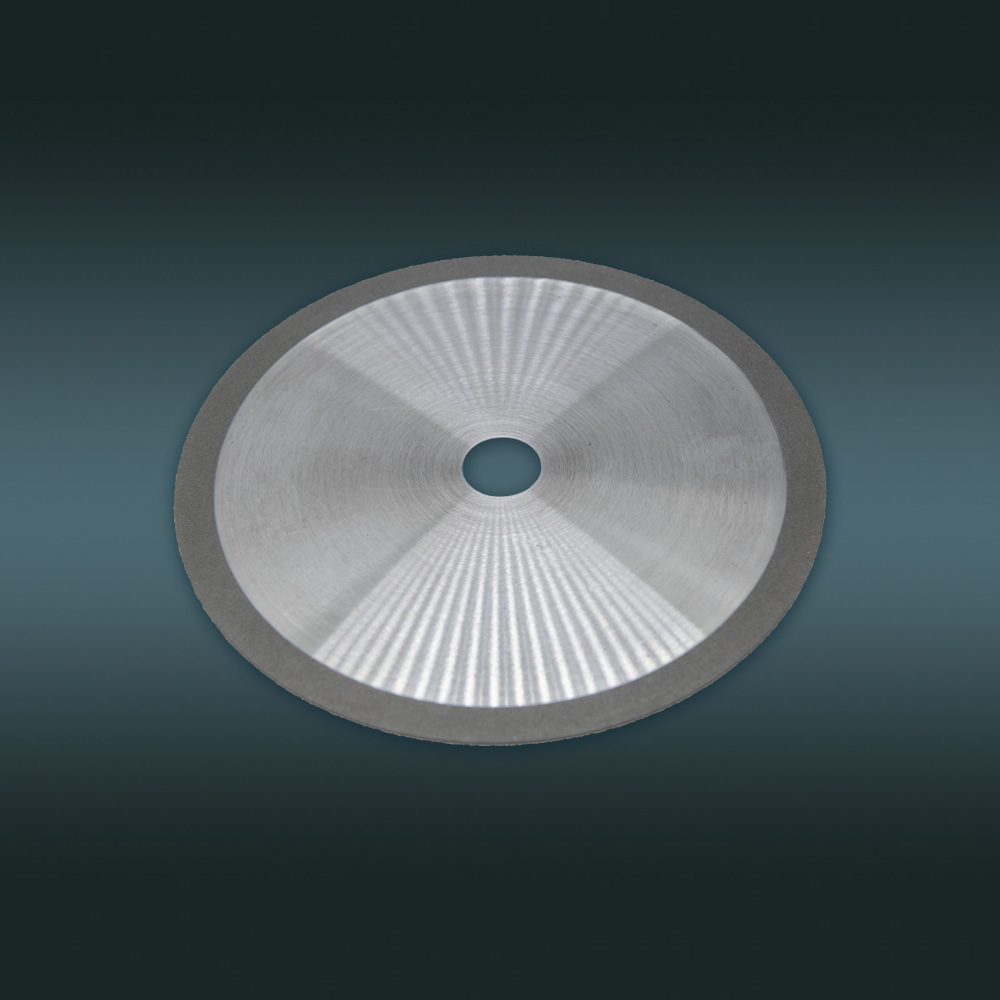
Surface finish and dimensional accuracy are areas where both abrasives perform exceptionally well. Diamond grinding wheels produce excellent surface finishes on carbide, ceramics, optical glass, and semiconductor materials. CBN grinding wheels provide equally impressive precision when machining hardened steels, cutting tools, and precision mechanical components. Selecting the correct abrasive based on the workpiece material ensures optimal surface quality and consistent machining accuracy. Tool life depends largely on matching the abrasive to the correct application. Diamond grinding wheels generally last longer when processing carbide, ceramics, and other non-ferrous materials because of their outstanding wear resistance. CBN grinding wheels offer superior longevity when grinding ferrous alloys due to their excellent thermal stability and resistance to chemical wear. Using the wrong abrasive for the material can significantly reduce wheel life and increase operating costs.
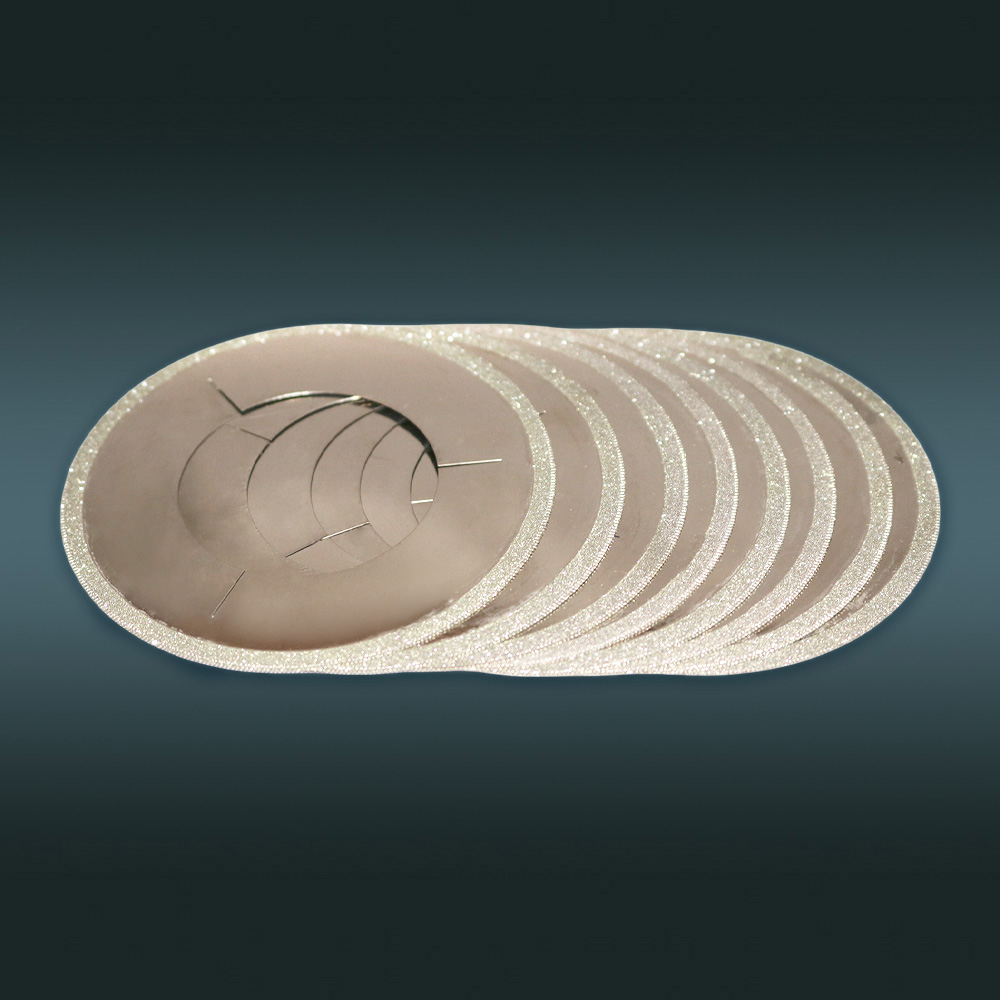
Both diamond and CBN abrasives are available in various bond systems, including resin bond, metal bond, vitrified bond, electroplated, and brazed constructions. Each bond type offers different advantages depending on the application. Resin bond wheels are ideal for fine finishing, metal bond wheels provide excellent durability, vitrified bond wheels offer high precision and thermal stability, while electroplated and brazed tools deliver aggressive cutting performance for specialized applications. From an economic perspective, both diamond and CBN grinding wheels represent a higher initial investment than conventional abrasives. However, their superior durability, higher productivity, longer service life, and improved machining quality often result in lower overall manufacturing costs. Selecting the correct abrasive reduces downtime, minimizes wheel replacement, and improves production efficiency, providing excellent long-term value.
In conclusion, neither diamond nor CBN abrasives are universally better—they are designed to excel in different applications. Diamond grinding wheels are the preferred solution for machining carbide, ceramics, glass, sapphire, composites, and other non-ferrous materials, while CBN grinding wheels deliver superior performance when grinding hardened steels, tool steels, and other ferrous alloys. By understanding the strengths of each superhard abrasive and selecting the appropriate grinding wheel for the workpiece material, manufacturers can achieve higher precision, longer tool life, improved productivity, and more cost-effective manufacturing operations.