How Superhard Grinding Tools Support Precision Mold Repair
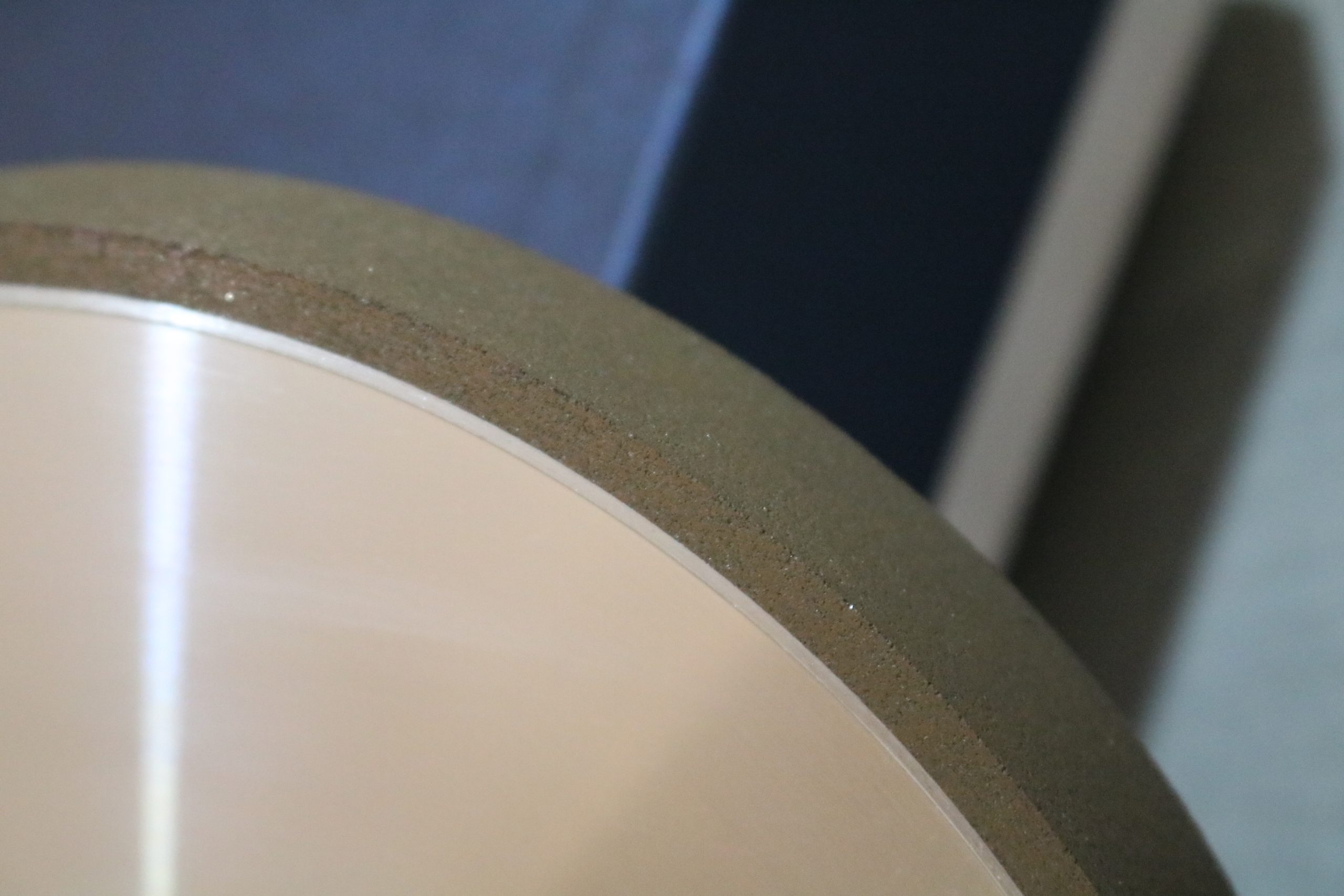
Precision molds are widely used in automotive manufacturing, electronics, plastic products, medical devices, and other industries. During repeated production cycles, mold surfaces may experience wear, scratches, small defects, or dimensional changes that affect the quality of finished products. Repairing these molds accurately is essential for extending their service life and reducing replacement costs. Superhard grinding tools, particularly diamond and CBN grinding wheels, provide effective solutions for removing damaged material, restoring surface conditions, and maintaining precise mold geometries. One of the main advantages of superhard grinding tools is their ability to process difficult-to-machine materials. Mold components are often manufactured from hardened tool steel, cemented carbide, ceramics, and other wear-resistant materials. These materials can be challenging to repair using conventional abrasives. CBN grinding wheels are particularly suitable for hardened steel molds, while diamond grinding wheels are widely used for carbide, ceramics, and other hard non-ferrous materials.
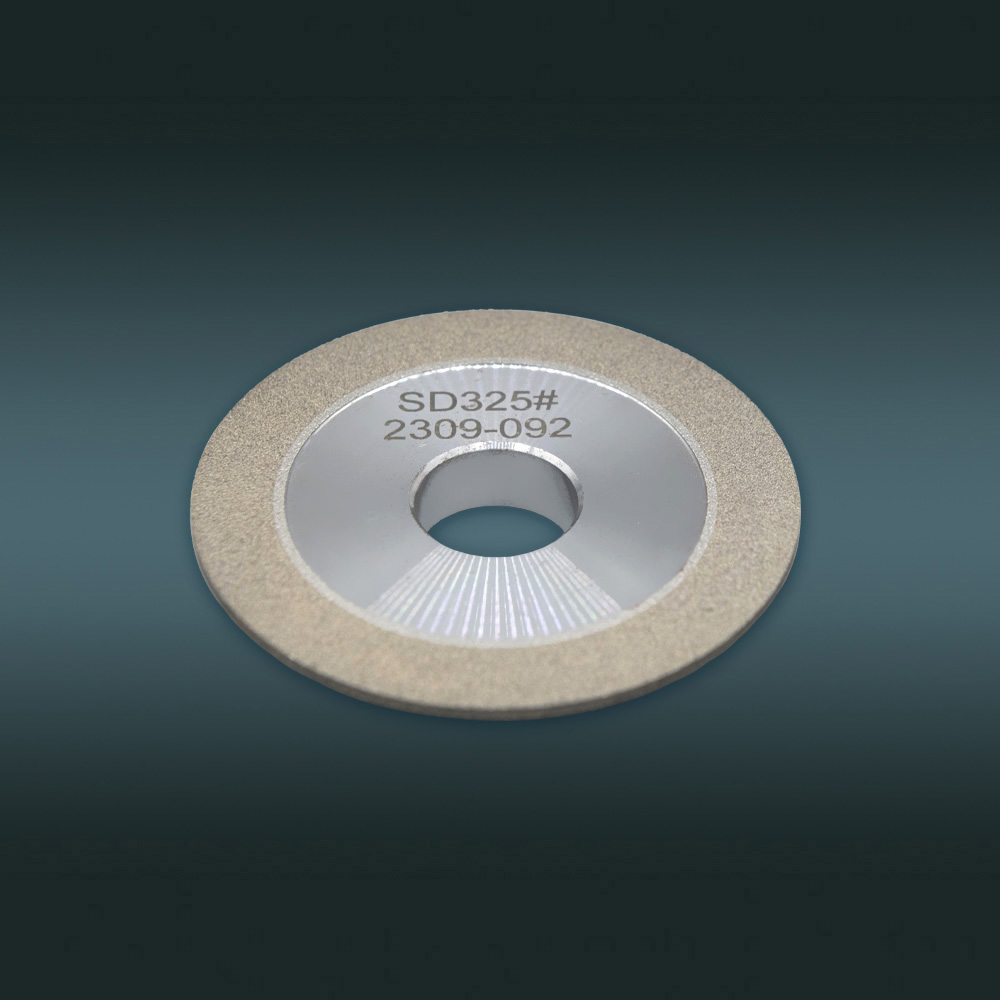
Accurate material removal is essential during mold repair. Removing too much material may change the mold dimensions and affect the fit between components. Superhard grinding tools offer controlled abrasive cutting capabilities that help technicians remove damaged areas while maintaining the required geometry. Selecting the correct grit size, abrasive concentration, and wheel specification can further improve machining precision. Surface finish is another important consideration. Scratches, uneven surfaces, and rough areas on mold cavities can transfer imperfections to manufactured products. Fine-grit diamond and CBN grinding wheels can help produce smoother surfaces during finishing operations. A suitable grinding process reduces the need for additional polishing and supports consistent product appearance, particularly in molds used for precision plastic components and other detailed products.
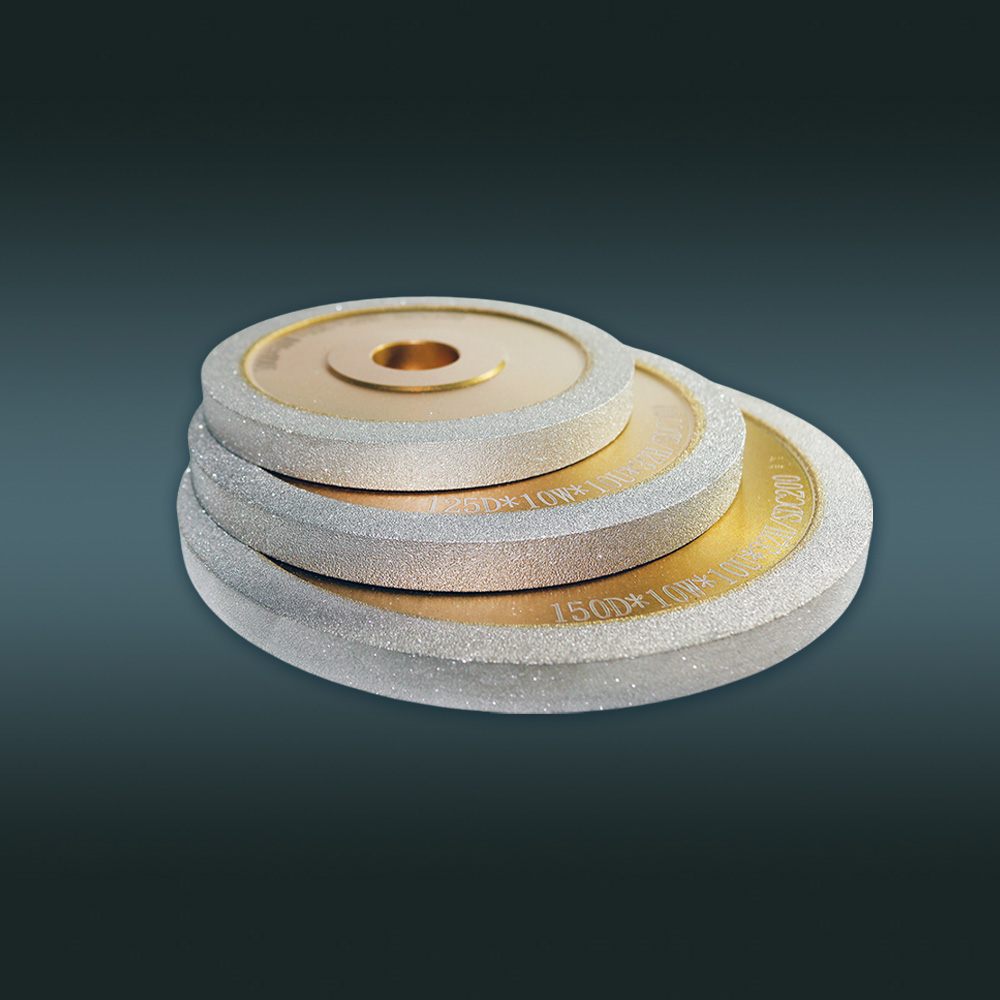
Superhard grinding tools are also valuable for restoring complex mold profiles. Many molds contain narrow grooves, curved surfaces, intricate cavities, and small details that require specialized grinding solutions. Customized wheel shapes and dimensions can help technicians access difficult areas and restore the original geometry more accurately. Electroplated and brazed diamond grinding tools are useful options for certain specialized profile-grinding applications. Heat control is particularly important during precision mold repair. Excessive grinding heat may affect the surface condition of hardened materials and potentially cause thermal damage. Choosing an appropriate grinding wheel, controlling the depth of cut, and using suitable coolant conditions can help manage heat generation. Stable machining parameters also reduce the risk of dimensional changes during the repair process.
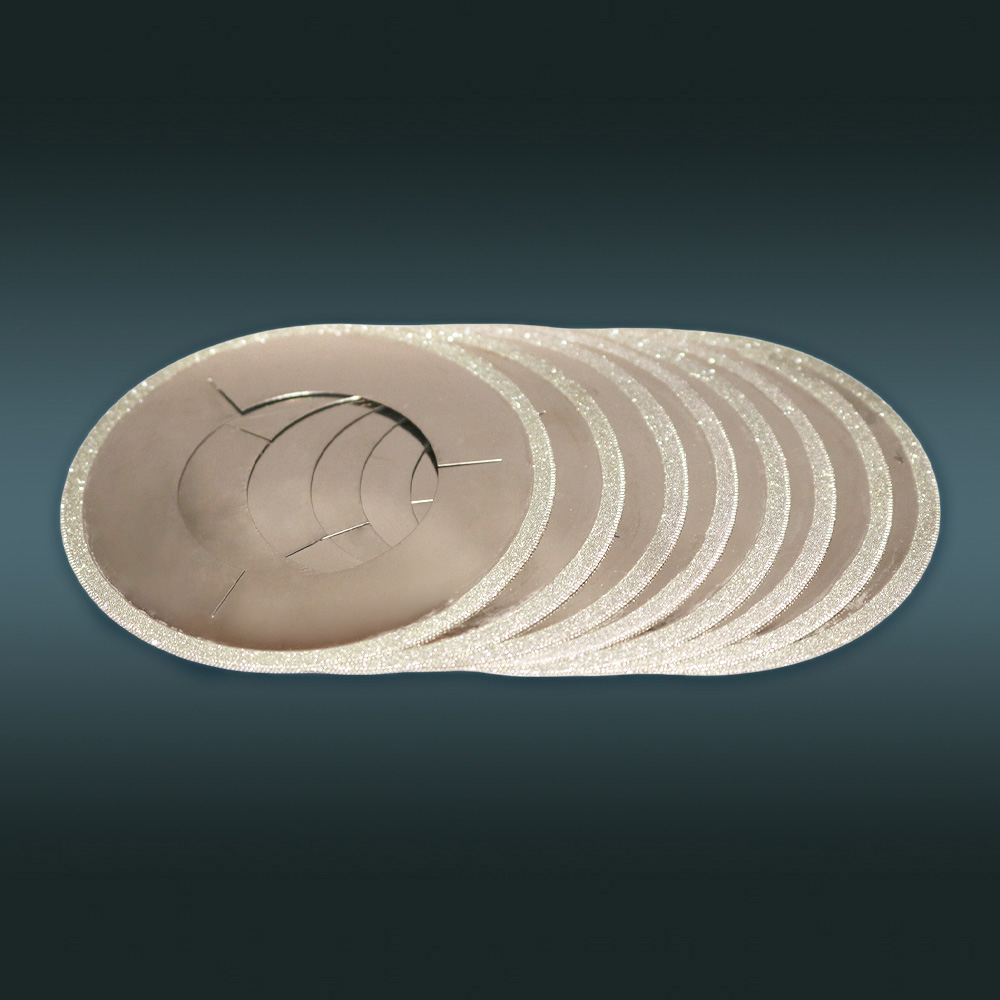
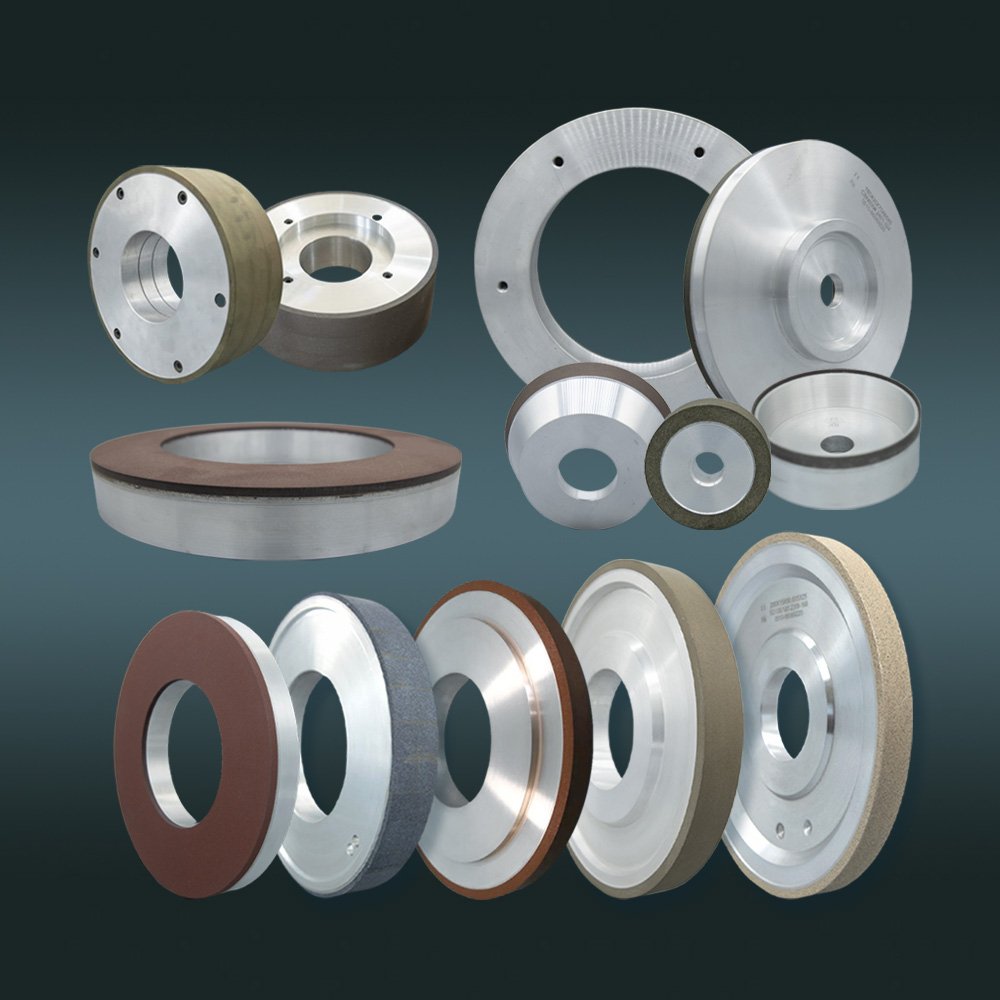
Another benefit is improved repair efficiency. Superhard abrasives provide effective cutting performance when matched correctly to the workpiece material. This can help reduce unnecessary machining time and improve material removal efficiency. For mold manufacturers and maintenance departments, shorter repair cycles can reduce equipment downtime and allow production operations to resume sooner. Selecting the appropriate bond system is equally important. Resin-bonded wheels are often suitable for applications requiring smooth grinding and good surface finishes. Metal and metal bronze bonds provide strong abrasive retention and durability, while vitrified bonds offer rigidity and controlled porosity. Electroplated and brazed products can provide specific abrasive exposure characteristics for specialized repair tasks. The ideal choice depends on mold material, repair geometry, machine conditions, and finishing requirements.
Regular inspection during the repair process helps ensure that the restored mold meets its original technical requirements. Important checks may include dimensional measurements, surface roughness, profile accuracy, and visual examination for remaining defects. Monitoring grinding wheel condition is also necessary because worn or improperly maintained tools may affect machining consistency. Jiangsu Xingzuan Superhard Material Technology Co., Ltd., established in 2003, specializes in the research, development, and production of diamond and CBN superhard material grinding tools. Its product range includes electroplating, metal bronze, resin, vitrified, and brazing series. These products serve mold manufacturing and other industries, including cutting tools, automotive components, aerospace, medical devices, optical products, semiconductor processing, and precision ceramics.
In conclusion, superhard grinding tools play an important role in precision mold repair by supporting controlled material removal, accurate profile restoration, improved surface finishes, and efficient machining. Choosing the correct diamond or CBN grinding wheel according to the mold material and repair requirements helps technicians achieve more reliable results. With suitable grinding technology and effective inspection procedures, manufacturers can extend mold service life, reduce replacement expenses, and maintain consistent production quality.