The Relationship Between Grinding Wheel Speed and Machining Performance
Grinding wheel speed is one of the most important operating parameters in precision grinding. It directly influences cutting efficiency, material removal, grinding forces, heat generation, surface finish, and wheel life. For manufacturers using diamond and CBN grinding wheels, understanding the relationship between wheel speed and machining performance is essential for achieving stable and efficient production while maintaining the required level of precision. Grinding wheel speed generally refers to the peripheral speed at which the abrasive surface moves across the workpiece. As wheel speed increases, more abrasive grains pass through the grinding zone within a given period. This can improve productivity and cutting efficiency, but only when the wheel specification and machine are suitable for the selected operating speed. Exceeding the recommended speed can create excessive mechanical and thermal stress and may compromise safe operation.
One major benefit of optimized wheel speed is improved material removal efficiency. At an appropriate speed, diamond or CBN abrasive grains engage effectively with the workpiece and remove material in a controlled manner. This is particularly valuable when processing hard materials such as carbide, ceramics, hardened steel, high-speed steel, and advanced composites. Proper speed selection can help manufacturers shorten grinding cycles without unnecessarily increasing grinding forces. However, higher speed does not automatically mean better performance. If the wheel speed is too high for the selected wheel and application, friction and heat generation may increase. Excessive heat can cause grinding burns, micro-cracks, thermal deformation, and premature degradation of the bonding system. Therefore, wheel speed must always be considered together with workpiece material, abrasive type, bond type, coolant conditions, feed rate, and depth of cut.
Wheel speed also has a strong influence on surface finish. An appropriately selected speed can create smoother and more uniform abrasive contact, helping reduce surface irregularities. This is especially important in applications involving precision components, cutting tools, molds, semiconductor materials, and optical products. If operating conditions are poorly matched, excessive vibration or heat can negatively affect the finished surface even when the grinding wheel itself is of high quality. The choice between diamond and CBN abrasives also affects suitable speed conditions. Diamond grinding wheels are widely used for non-ferrous and non-metallic materials such as tungsten carbide, ceramics, glass, sapphire, and semiconductor materials. CBN grinding wheels are particularly effective for ferrous materials such as hardened steel, tool steel, and high-speed steel. Each abrasive has different thermal and chemical characteristics, so the recommended operating conditions should be established according to the specific wheel and application.
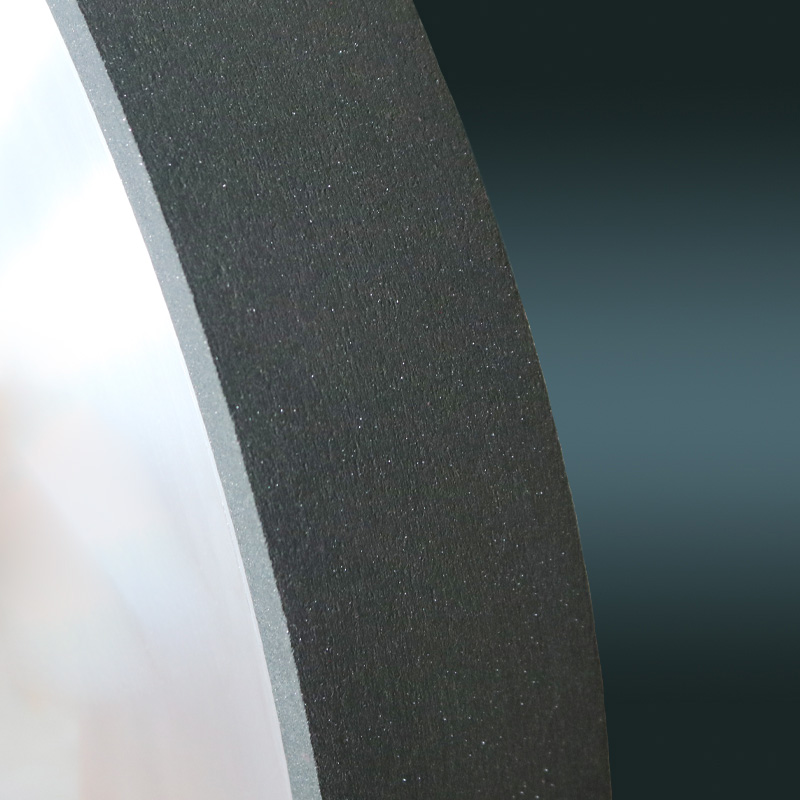
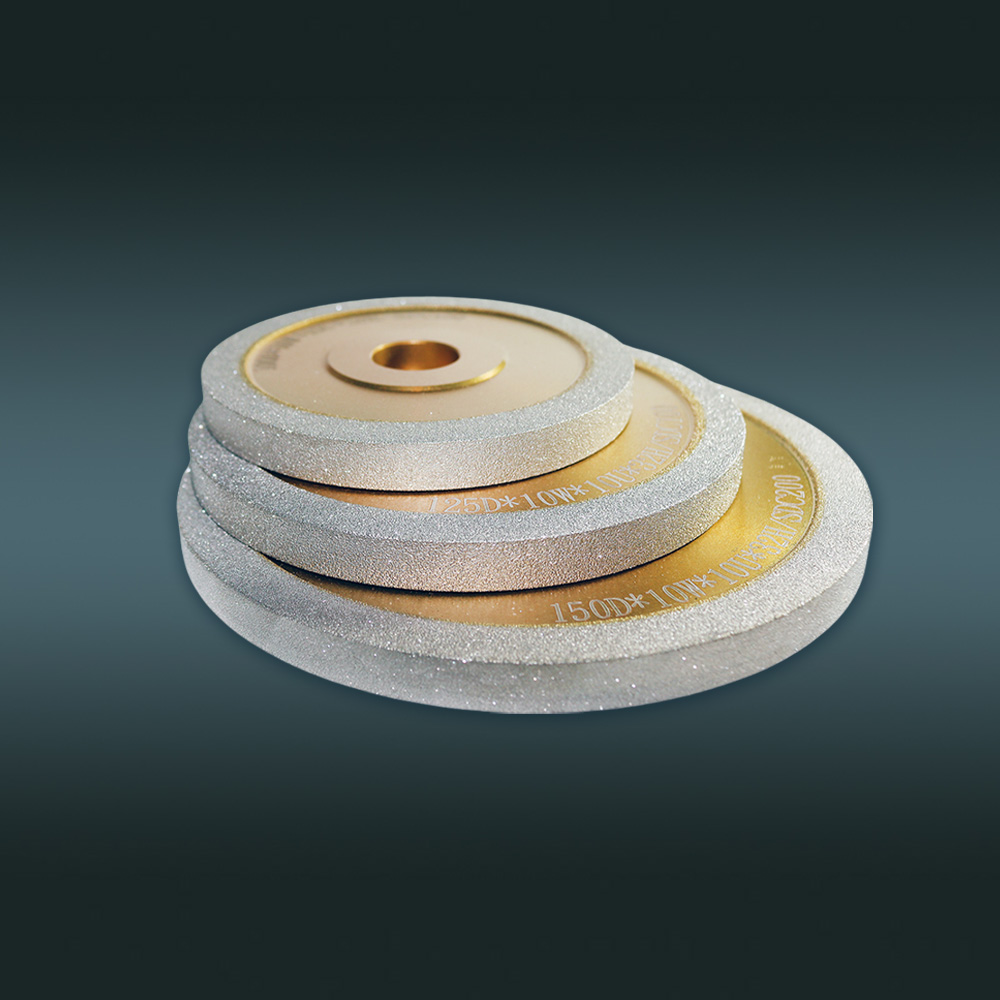
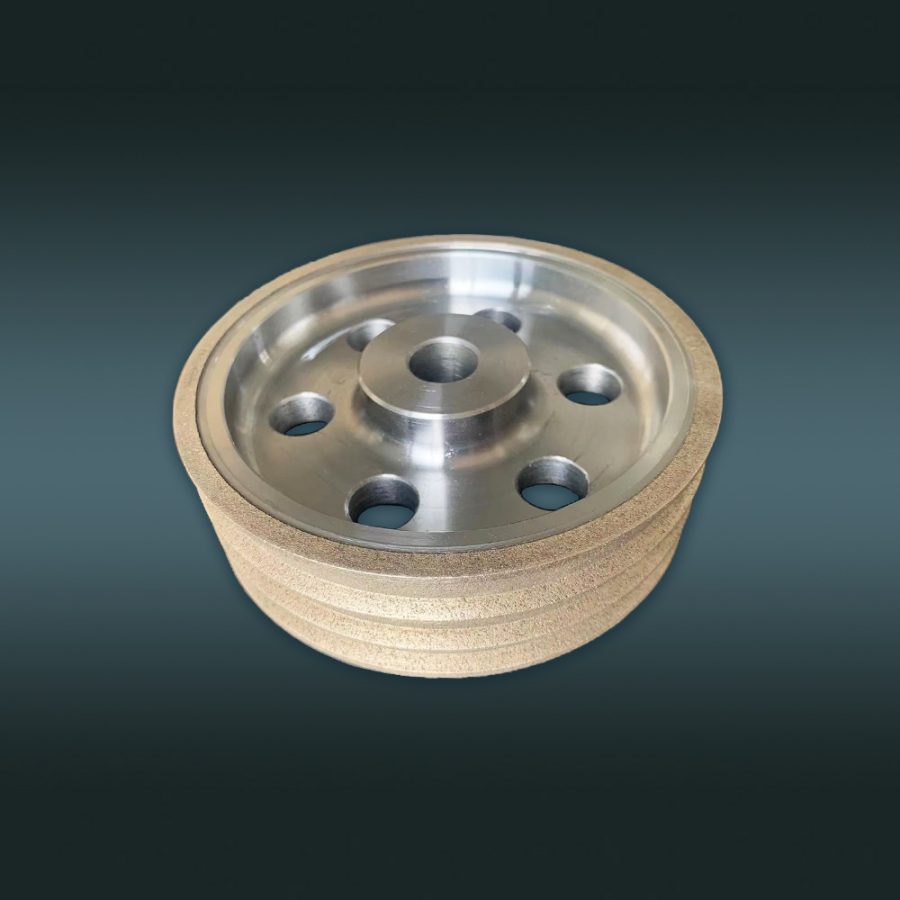
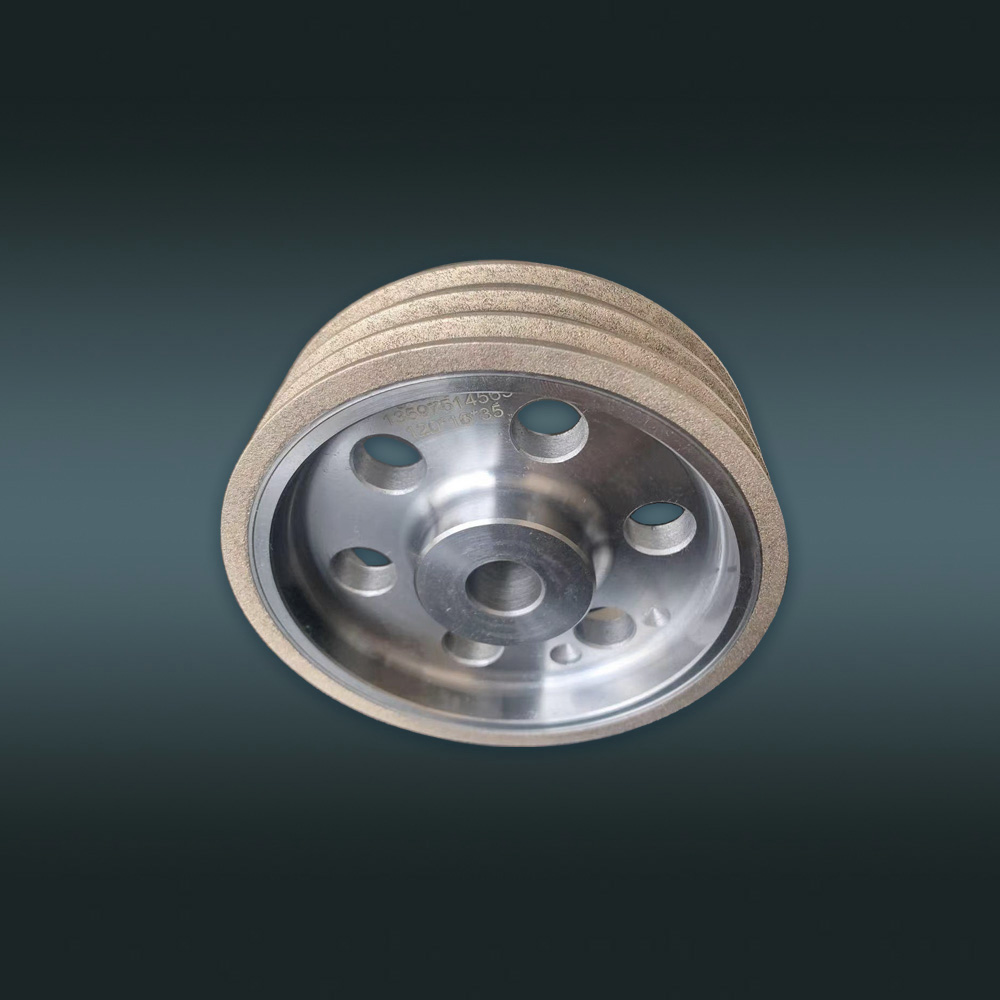
Bond type is another factor that determines how a grinding wheel responds to speed. Resin bond wheels provide a certain degree of flexibility and are often used where fine finishes and controlled grinding action are required. Metal bond wheels offer excellent wear resistance and profile retention, while vitrified bond wheels provide rigidity, thermal stability, and efficient chip evacuation. Electroplated and brazed grinding wheels can provide high abrasive exposure and aggressive cutting performance for specialized applications. Proper wheel speed can also contribute to longer tool life. When the speed is correctly matched to the grinding wheel, abrasive grains wear in a controlled manner and the bond can perform as intended. Incorrect speed may accelerate grain wear, cause glazing or loading, or increase thermal stress. Maintaining suitable operating conditions therefore helps manufacturers obtain more consistent performance throughout the usable life of the grinding wheel.
Coolant delivery becomes increasingly important as grinding speed rises. Higher-speed operations can generate significant heat within the grinding zone, making effective cooling essential. Properly directed coolant helps remove heat and grinding debris while reducing friction. Good coolant management, combined with suitable wheel speed, supports stable grinding and helps protect both the workpiece and grinding wheel. Machine stability must also be considered when selecting wheel speed. High-speed grinding requires appropriate spindle performance, wheel balance, mounting accuracy, and machine rigidity. Any imbalance or misalignment can become more noticeable as rotational speed increases, potentially resulting in vibration, uneven wear, and poor surface quality. Precision balancing and correct installation are therefore important components of high-speed grinding performance.
For manufacturers seeking optimized results, wheel speed should not be selected independently. A professional grinding solution considers the complete machining system, including workpiece characteristics, wheel dimensions, abrasive concentration, grit size, bond formulation, machine capability, coolant delivery, and production objectives. Customized diamond and CBN grinding wheels can be developed around specific operating requirements, helping manufacturers achieve a practical balance between productivity, precision, tool life, and surface quality. In conclusion, grinding wheel speed has a direct relationship with machining performance. The right speed can improve material removal, surface finish, dimensional consistency, and overall productivity, while an inappropriate speed may increase heat, vibration, wheel wear, and production risks. By selecting the correct diamond or CBN grinding wheel and matching its operating speed to the application and machine conditions, manufacturers can achieve efficient, stable, and high-quality grinding performance.