Quality Inspection Standards for Superhard Grinding Tools
Superhard grinding tools, including diamond and CBN grinding wheels, are essential for precision manufacturing applications where accuracy, consistency, and long service life are critical. These tools are widely used for processing cutting tools, molds, automotive components, medical devices, aerospace parts, optical products, semiconductors, and precision ceramics. Because grinding wheels directly influence machining results, strict quality inspection is essential to ensure reliable performance and stable production. The first stage of quality inspection involves checking the raw materials. Diamond and CBN abrasive grains must meet specified requirements for grit size, strength, purity, and consistency. Variations in abrasive quality can affect cutting efficiency, wear resistance, and surface finish. High-quality manufacturers carefully select and inspect abrasive materials before they enter production, helping establish consistent performance from the beginning of the manufacturing process.
Abrasive grit size is another important inspection factor. Different grinding applications require different grain sizes, from coarse abrasives for high material removal rates to fine abrasives for precision finishing. Accurate grit classification ensures that the abrasive particles are distributed according to the intended specification. Consistent grain size contributes to predictable cutting behavior and helps manufacturers achieve stable surface quality across production batches. Abrasive concentration must also be carefully controlled. The concentration of diamond or CBN within the grinding layer affects cutting efficiency, wheel life, heat generation, and surface finish. Excessive or insufficient concentration can negatively affect grinding performance. Quality inspection therefore verifies that the abrasive concentration meets the specified requirements and remains consistent throughout the working layer.
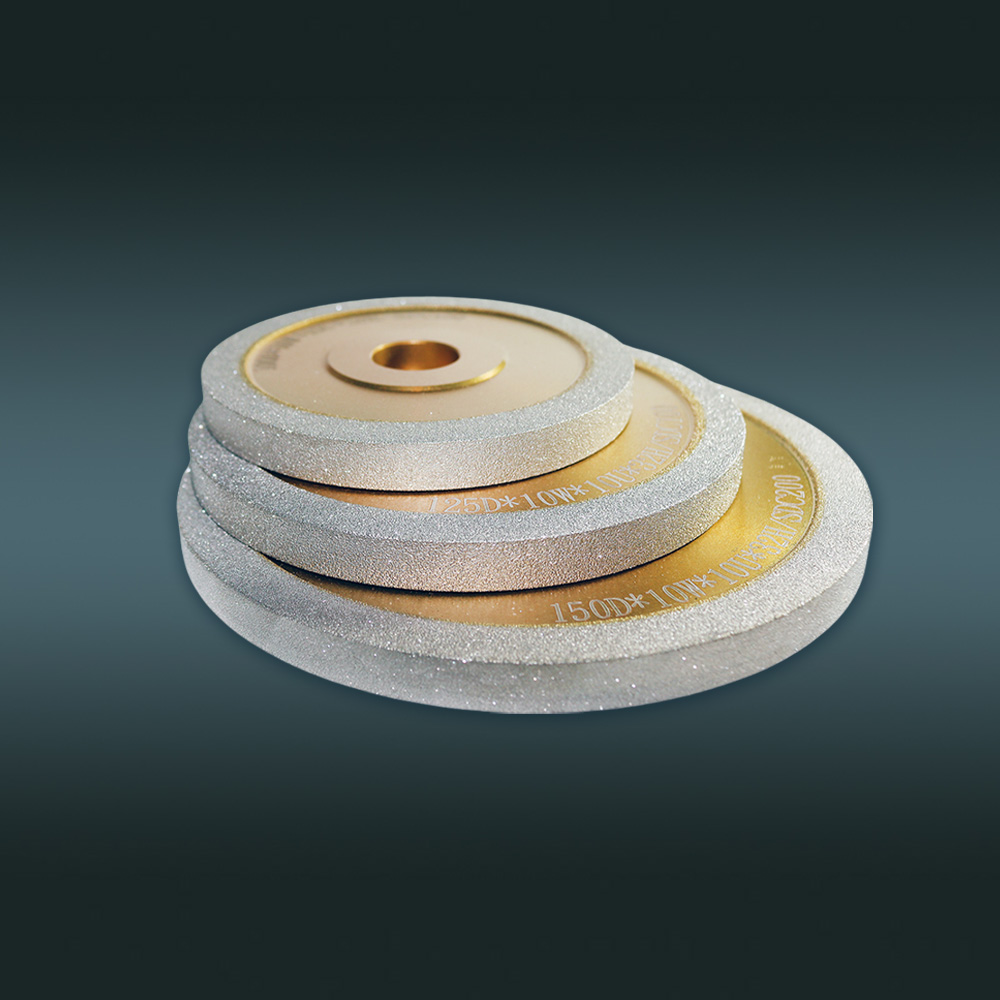
Bond quality is equally important for superhard grinding tools. Resin, metal, vitrified, electroplated, and brazed grinding wheels each require different manufacturing and inspection methods. Inspectors evaluate whether the bond securely retains abrasive grains while allowing appropriate grain exposure and controlled wear. Strong and uniform bonding helps prevent premature abrasive loss and supports reliable grinding performance under demanding operating conditions. Dimensional accuracy is another essential inspection standard. Grinding wheels must meet specified requirements for outside diameter, thickness, bore size, profile, and other critical dimensions. Even small dimensional deviations can affect wheel installation, machine compatibility, and grinding accuracy. Precision measurement equipment is therefore used to verify that finished wheels conform to customer specifications and manufacturing requirements.
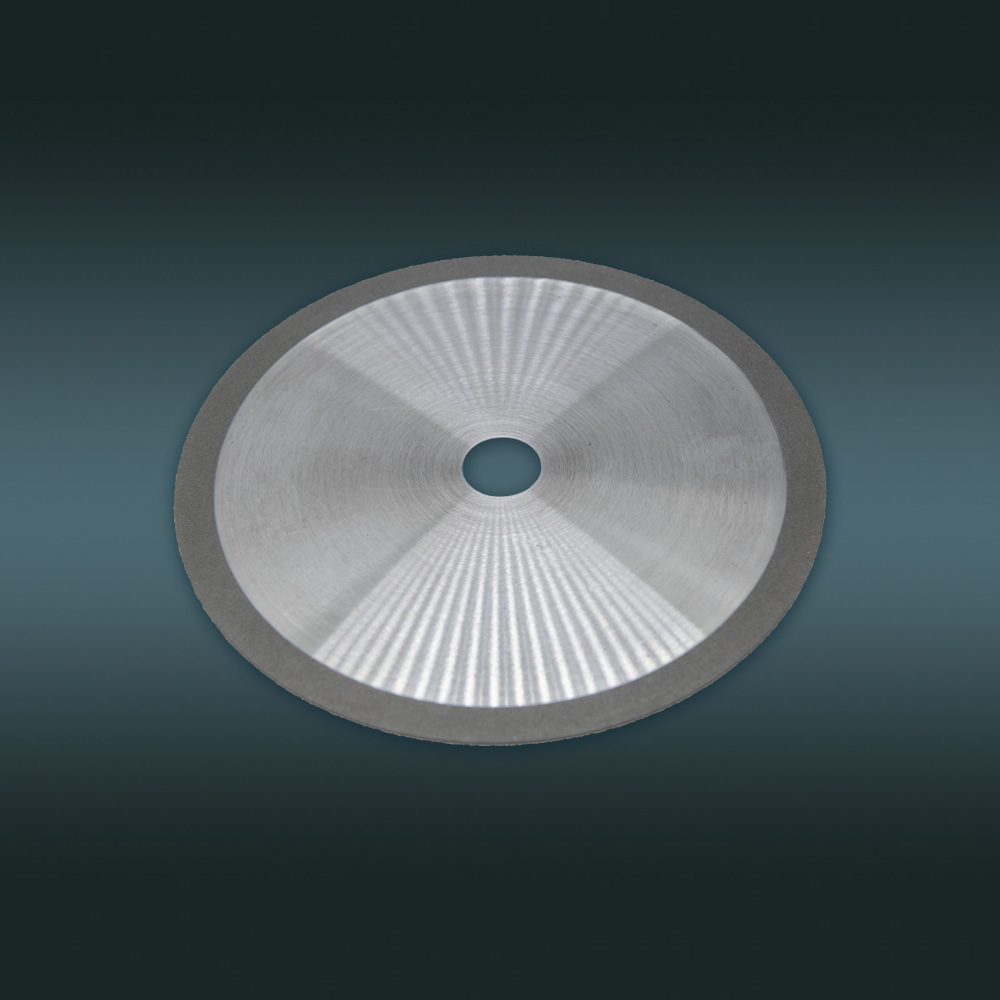
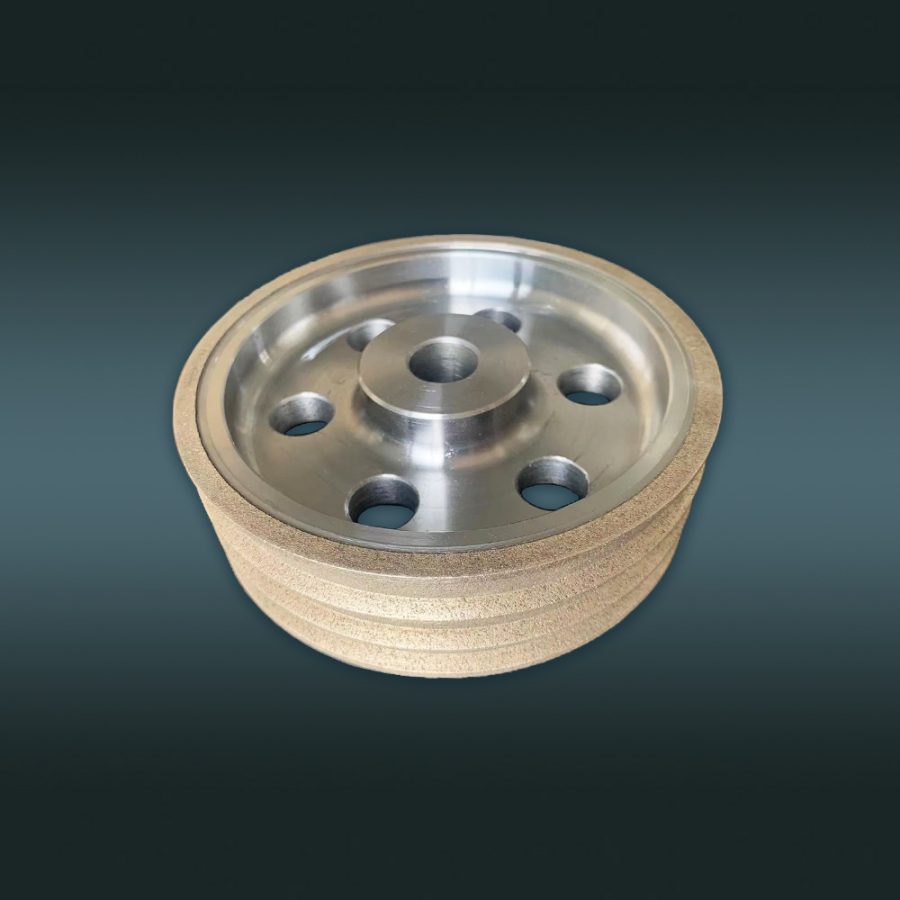
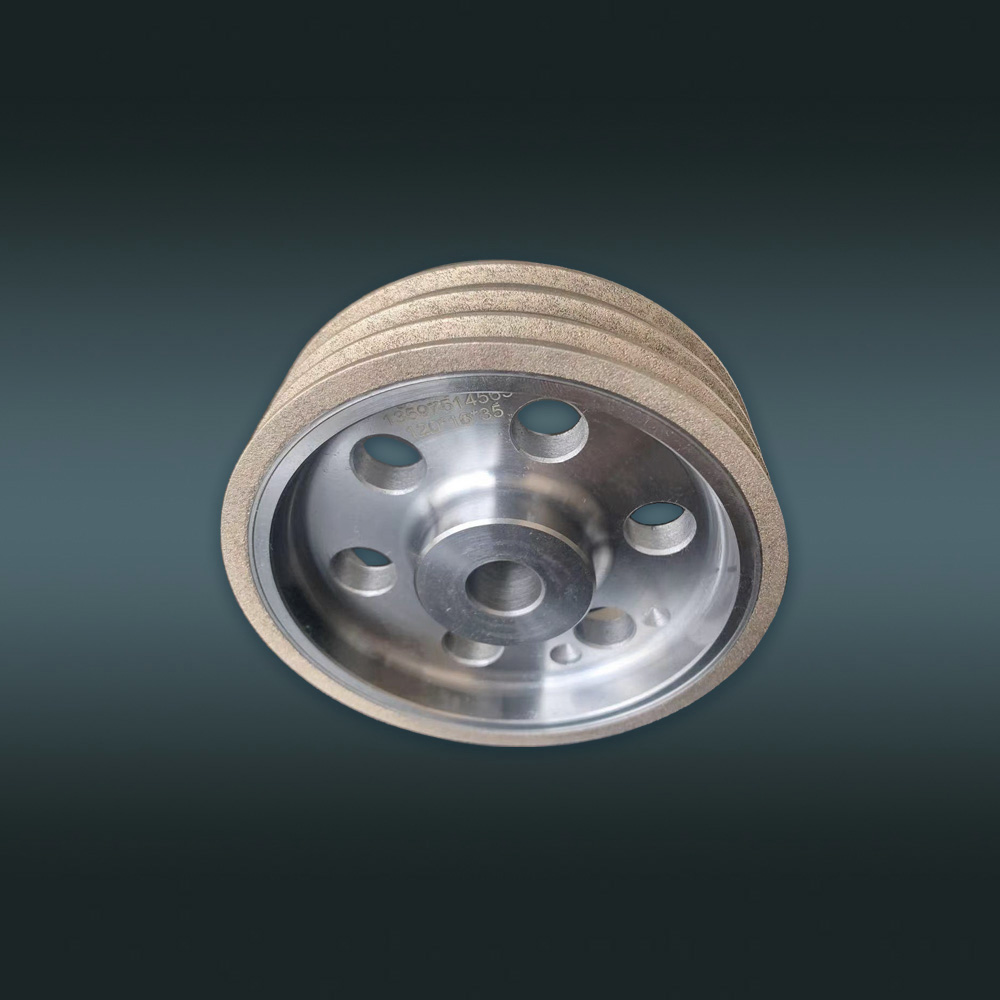
Wheel geometry and profile accuracy are particularly important for customized grinding tools. Diamond and CBN wheels may be manufactured with complex profiles for specialized applications such as cutting tool production, mold processing, and precision component machining. Inspection of the wheel profile ensures that the finished tool can reproduce the required geometry accurately and consistently during grinding. Wheel balance is also a critical quality factor, especially for high-speed grinding applications. An improperly balanced wheel can generate vibration, uneven wear, poor surface finishes, and additional stress on machine spindles. Quality inspection and balancing procedures help ensure stable rotation and reliable performance. Proper balance is particularly important for precision grinding operations where tight tolerances and high surface quality are required.
Bonding strength and abrasive retention should also be evaluated. The grinding wheel must retain abrasive grains securely during operation while allowing worn grains to release at the appropriate rate. Poor abrasive retention can result in premature wear, while excessive retention may cause glazing or reduced cutting efficiency. Proper inspection helps establish the correct balance between durability and self-sharpening performance. For electroplated and brazed grinding tools, inspection of abrasive placement and bond coverage is especially important. Diamond or CBN grains need to be distributed evenly across the working surface according to the specified design. Consistent abrasive exposure ensures stable cutting action and helps prevent localized wear, excessive vibration, and inconsistent machining results. Final performance testing provides an additional level of quality assurance. Depending on the application, manufacturers may evaluate cutting efficiency, wear resistance, surface finish, dimensional stability, and overall grinding behavior. Performance testing helps confirm that the finished grinding tool can meet its intended operating requirements before shipment to the customer.
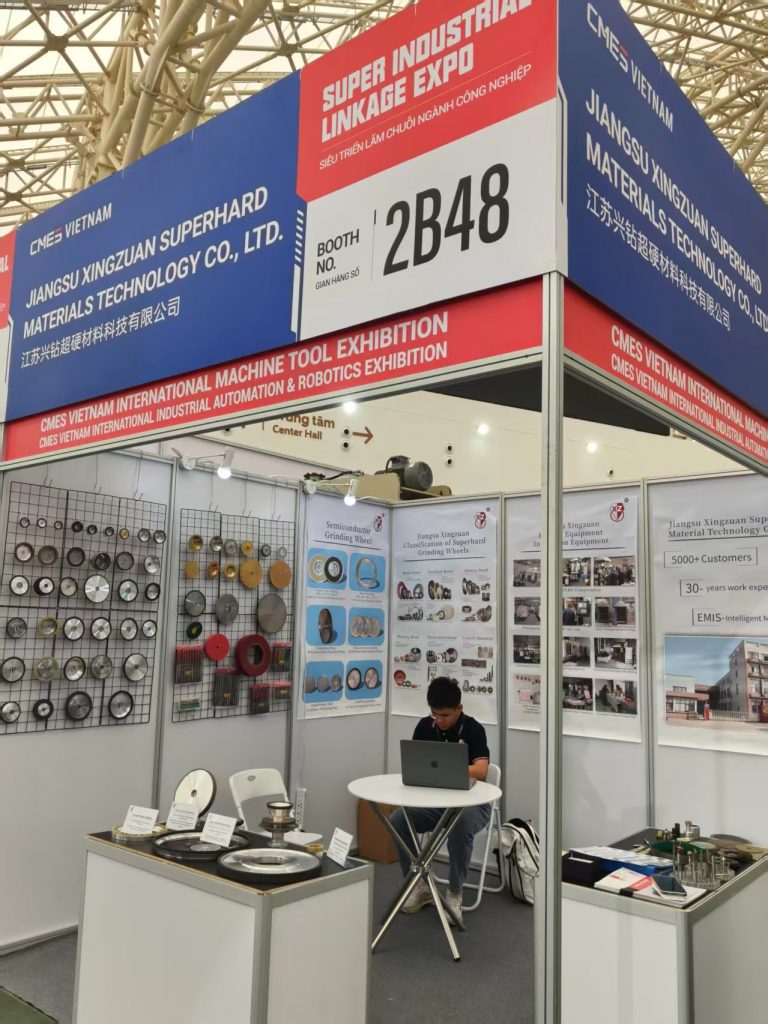
At Jiangsu Xingzuan Superhard Material Technology Co., Ltd., quality control is an important part of producing diamond and CBN superhard material tools. With product series including electroplated, metal bronze, resin, vitrified, and brazing grinding tools, careful control of abrasive materials, bonding systems, dimensions, and finished-tool performance helps support different industrial applications. Consistent inspection is essential for delivering grinding solutions that meet demanding requirements in cutting tools, molds, medical, aviation, automotive, optical, semiconductor, precision ceramic, jewelry, and other industries. In conclusion, quality inspection standards for superhard grinding tools cover many aspects, including abrasive quality, grit size, concentration, bond strength, dimensions, profile accuracy, balance, abrasive distribution, and grinding performance. A comprehensive inspection process helps manufacturers reduce product variation, improve tool reliability, and maintain consistent machining results. By combining advanced manufacturing technology with strict quality control, professional diamond and CBN grinding tool manufacturers can provide dependable solutions for today's increasingly demanding precision manufacturing applications.