How to Increase Grinding Efficiency Without Sacrificing Surface Quality
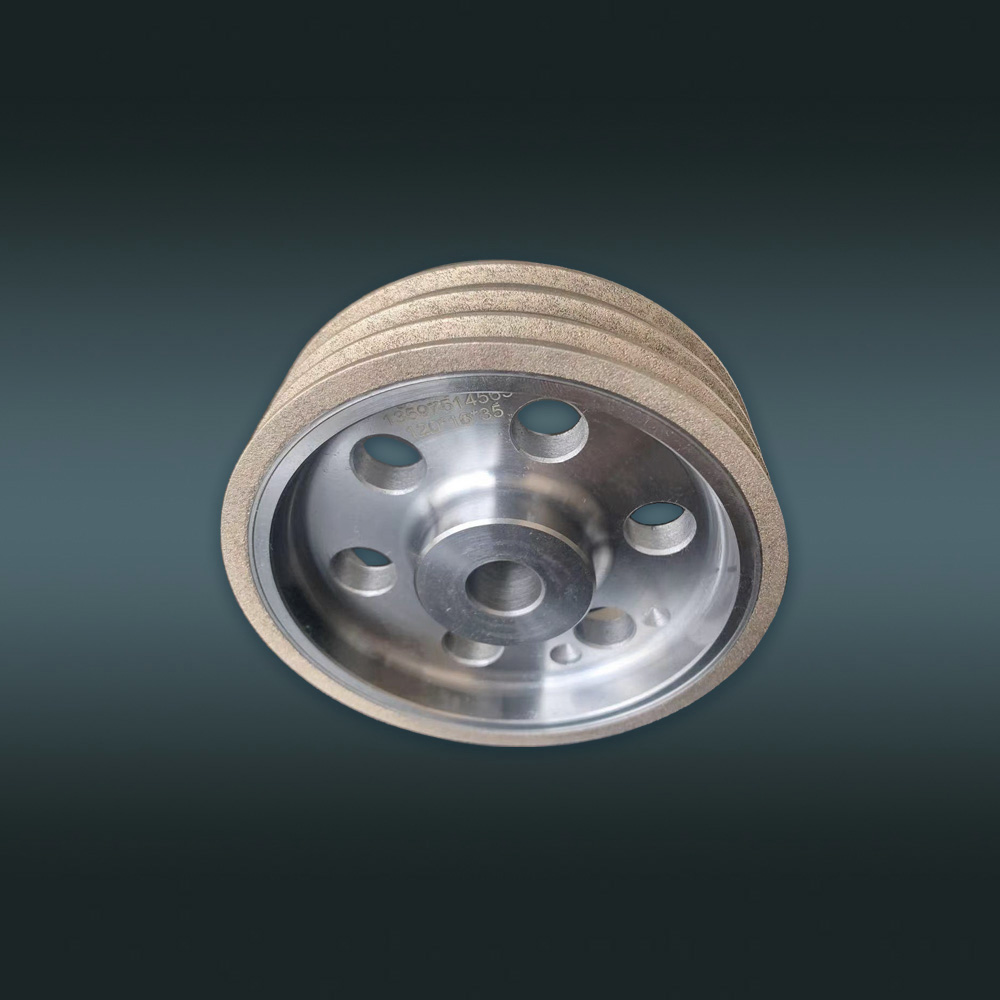
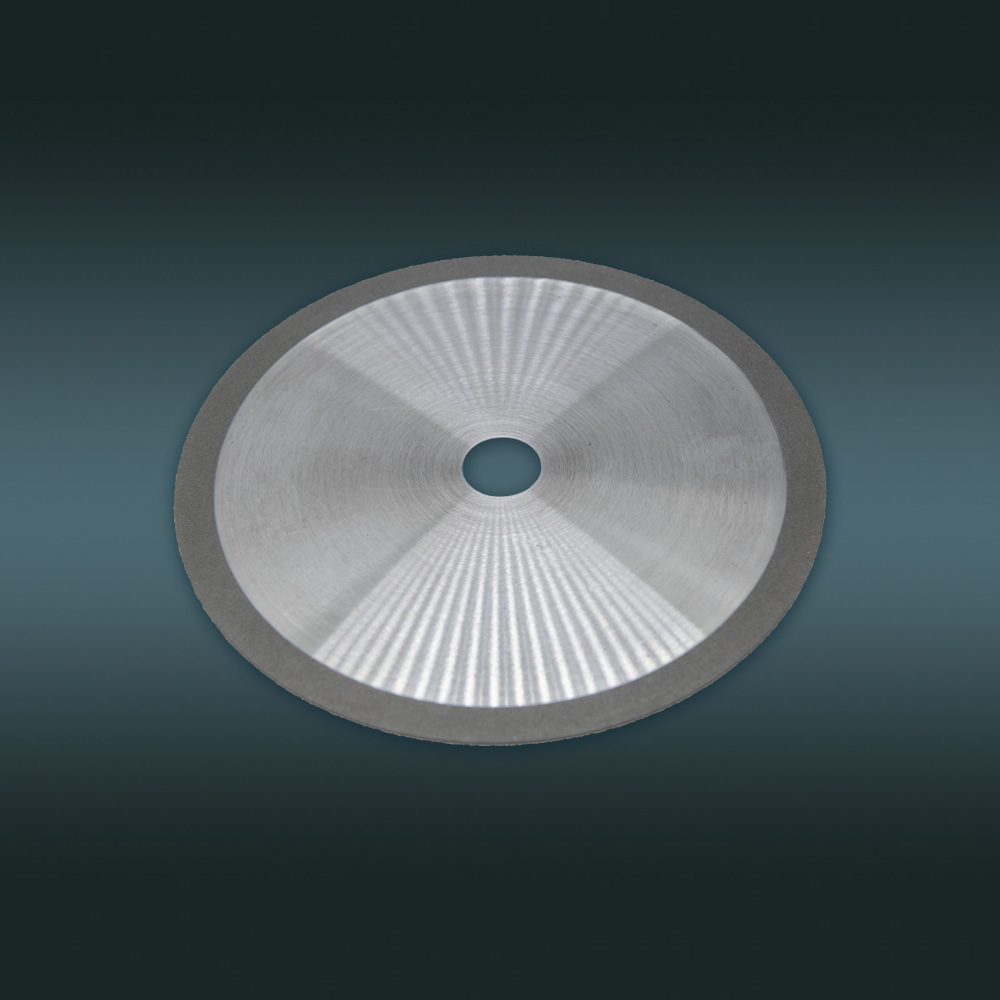
Grinding is one of the most important finishing processes in modern manufacturing, directly influencing the dimensional accuracy, surface finish, and overall performance of machined components. Manufacturers continuously seek ways to improve grinding efficiency by increasing material removal rates and reducing cycle times. However, achieving higher productivity should never come at the expense of surface quality. By selecting the right grinding tools, optimizing process parameters, and implementing proper machining practices, manufacturers can successfully improve efficiency while maintaining excellent finishing results. The first step toward improving grinding efficiency is selecting the appropriate grinding wheel for the application. Different workpiece materials require different abrasive types. Diamond grinding wheels are ideal for machining carbide, ceramics, glass, composites, and semiconductor materials, while CBN grinding wheels are specifically designed for hardened steel, high-speed steel, and other ferrous materials. Choosing the correct abrasive ensures efficient cutting, reduces unnecessary wheel wear, and helps produce consistent surface finishes.
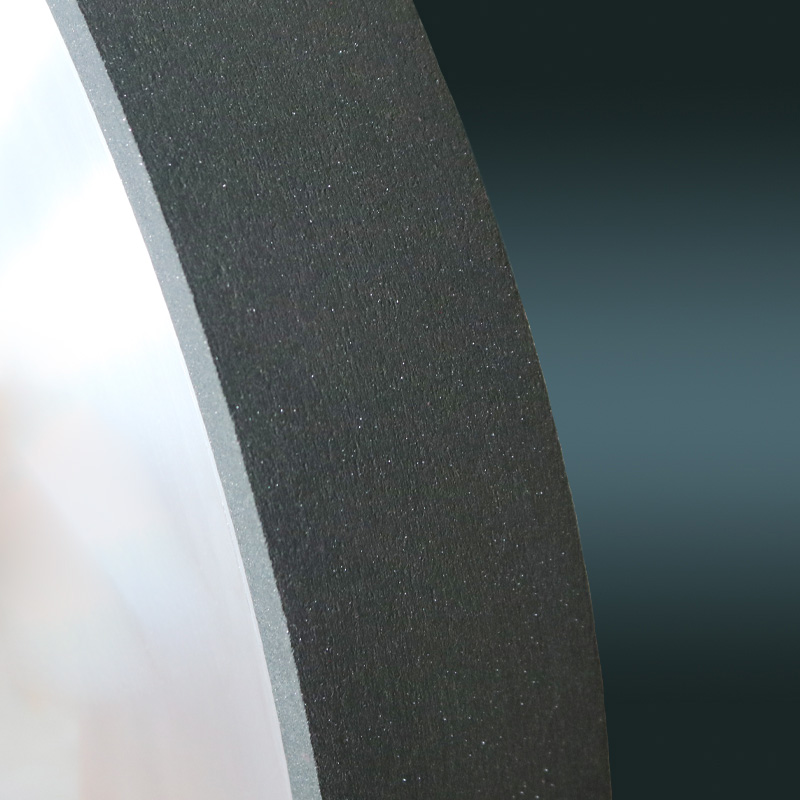
The bond type of the grinding wheel also plays a significant role in balancing productivity and quality. Resin bond wheels are widely used for applications requiring superior surface finishes, while metal bond wheels provide excellent durability for heavy-duty grinding. Vitrified bond wheels offer outstanding precision, thermal stability, and chip evacuation, making them suitable for high-speed grinding operations. Electroplated and brazed grinding wheels provide aggressive cutting performance for specialized applications. Selecting the proper bond type allows manufacturers to optimize both grinding efficiency and finishing performance. Optimizing grinding parameters is equally important. Grinding speed, feed rate, and depth of cut must be carefully balanced according to the material and wheel specification. Excessively aggressive cutting conditions may increase productivity in the short term but can also generate excessive heat, vibration, and surface defects. Proper parameter optimization allows for efficient material removal while maintaining dimensional accuracy and smooth surface finishes.
Using the correct abrasive grit size is another effective way to improve grinding performance. Coarse-grit grinding wheels remove material quickly and are suitable for rough grinding operations. Fine-grit wheels produce smoother surfaces and are commonly used during finishing stages. In many production environments, manufacturers combine rough grinding and finish grinding operations using different grit sizes to maximize both efficiency and product quality. Effective coolant application is essential for maintaining grinding efficiency. Grinding generates considerable friction and heat, especially when machining hard materials. Without sufficient cooling, excessive temperatures can cause thermal burns, surface cracks, wheel loading, and premature abrasive wear. Proper coolant delivery reduces heat buildup, flushes away grinding chips, and lubricates the grinding zone, resulting in more stable machining conditions and improved surface integrity.
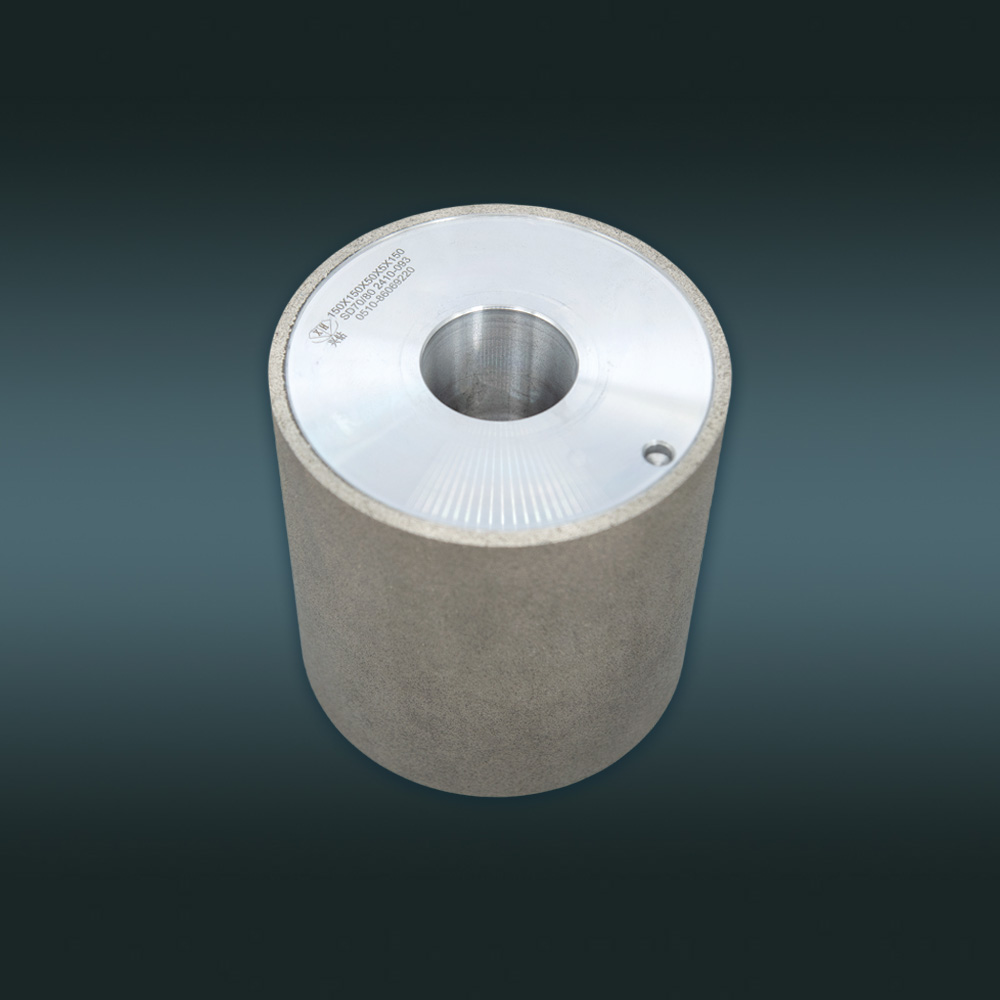
Regular grinding wheel dressing is another important factor. During operation, abrasive grains gradually become dull, reducing cutting efficiency and increasing grinding forces. Dressing removes worn abrasive particles, restores the wheel profile, and exposes fresh cutting edges. A properly dressed grinding wheel cuts more efficiently, produces better surface finishes, and reduces the likelihood of excessive heat generation or vibration during machining. Machine stability also has a direct impact on grinding performance. High-precision CNC grinding machines with rigid structures and properly maintained spindles minimize vibration during operation. Stable machine conditions allow grinding wheels to maintain consistent contact with the workpiece, producing higher dimensional accuracy and superior surface finishes while supporting higher production speeds.
Custom grinding wheels can further improve manufacturing efficiency. Customized diamond and CBN grinding wheels are designed specifically for the workpiece material, machine configuration, and production requirements. By optimizing abrasive concentration, bond formulation, grit size, and wheel geometry, manufacturers can significantly increase material removal rates while maintaining strict quality standards. Custom solutions also reduce process variability and improve production consistency. Preventive maintenance contributes greatly to sustained grinding efficiency. Regular inspection of grinding wheels, machine spindles, coolant systems, and dressing equipment helps prevent unexpected failures and production interruptions. Replacing worn components before they affect grinding performance ensures stable machining conditions and reduces downtime, allowing manufacturers to maintain both productivity and product quality over long production cycles.
In conclusion, increasing grinding efficiency without sacrificing surface quality requires a comprehensive approach that combines the right grinding wheel, optimized machining parameters, effective cooling, proper wheel maintenance, and stable machine performance. High-quality diamond and CBN grinding wheels, together with well-controlled grinding processes, enable manufacturers to achieve faster production, excellent surface finishes, and greater overall productivity. By continuously optimizing every aspect of the grinding operation, companies can improve manufacturing efficiency while consistently meeting the demanding quality standards of today's precision industries.