How Diamond Grinding Wheels Improve Machining Accuracy for Ultra-Hard Materials
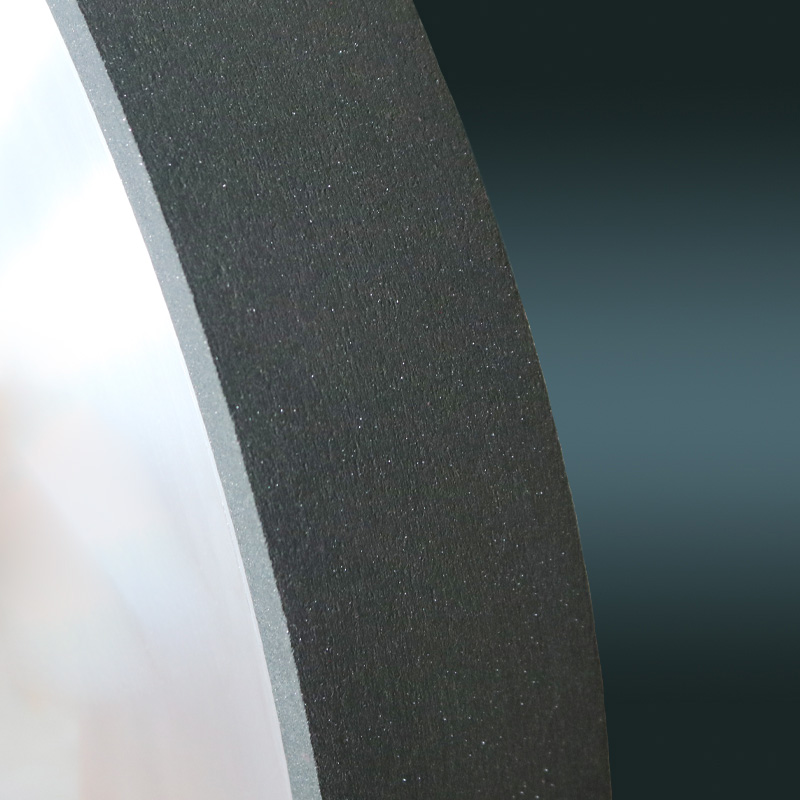
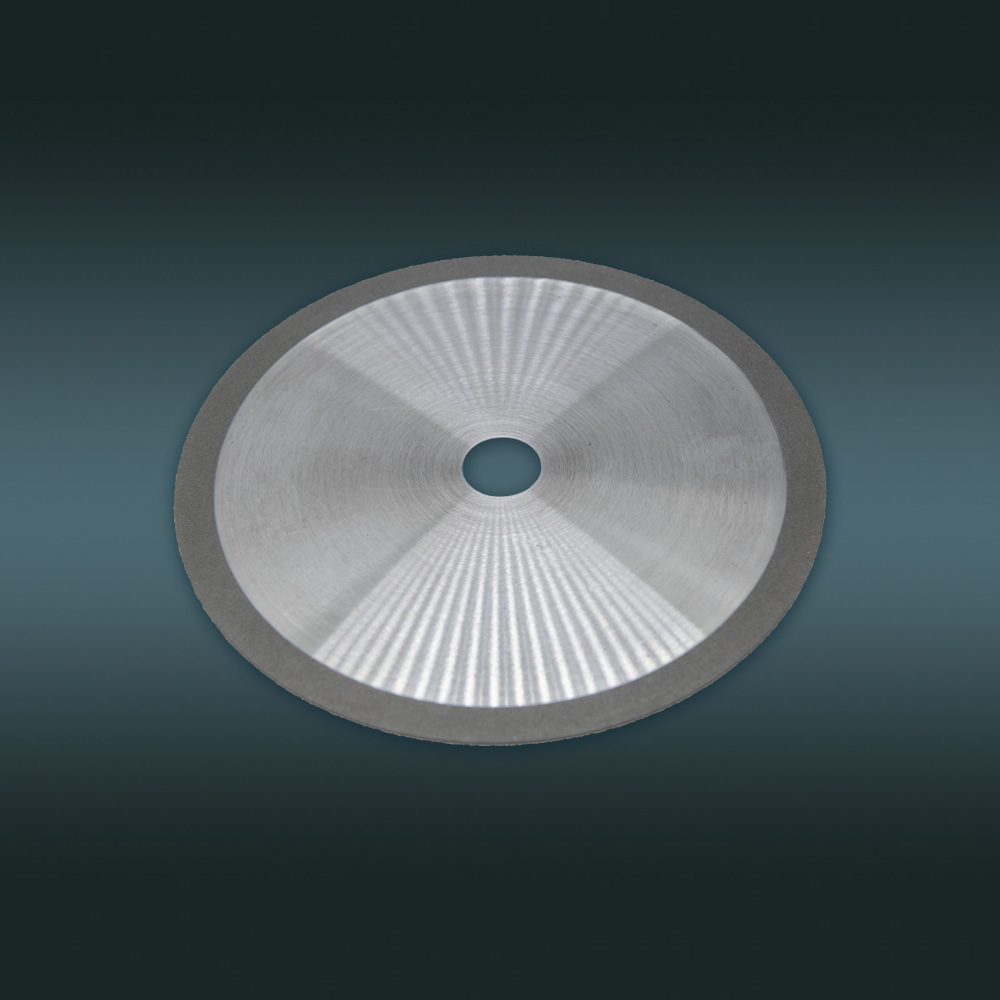
Ultra-hard materials such as tungsten carbide, technical ceramics, sapphire, silicon carbide, quartz, and advanced composite materials are widely used in industries including aerospace, semiconductor, medical, automotive, and precision tooling. These materials offer exceptional hardness, wear resistance, and durability, but they also present significant machining challenges. Conventional grinding tools often struggle to achieve the required accuracy and surface quality. Diamond grinding wheels, with their superior hardness and cutting performance, have become the preferred solution for improving machining accuracy when processing ultra-hard materials. Diamond is the hardest naturally occurring material, making it highly effective for grinding materials that are difficult to machine using traditional abrasives. Its exceptional hardness enables the grinding wheel to maintain sharp cutting edges even under demanding conditions. As a result, diamond grinding wheels can remove material efficiently while maintaining excellent dimensional accuracy, making them ideal for precision manufacturing applications.
One of the primary ways diamond grinding wheels improve machining accuracy is through their exceptional cutting ability. Sharp diamond abrasive grains cut cleanly through hard materials instead of generating excessive friction. This reduces cutting forces during grinding, allowing the workpiece to remain stable throughout the machining process. Lower grinding forces help minimize vibration and deformation, resulting in more accurate dimensions and tighter production tolerances. Dimensional stability is another important advantage of diamond grinding wheels. High-quality diamond wheels maintain their original shape throughout extended grinding operations due to their excellent wear resistance. This consistent wheel profile ensures uniform machining results across multiple workpieces, reducing dimensional variations and improving product consistency. Industries that manufacture precision molds, cutting tools, and semiconductor components particularly benefit from this level of stability.
Surface quality is closely related to machining accuracy. Diamond grinding wheels produce smooth and uniform surfaces by providing controlled material removal with minimal chipping or cracking. This is especially important when processing brittle materials such as ceramics, glass, sapphire, and silicon carbide, where surface defects can compromise product performance. Superior surface finishes also reduce the need for additional polishing or finishing operations, improving overall manufacturing efficiency. Heat generation is one of the biggest challenges when machining ultra-hard materials. Excessive grinding temperatures can cause thermal damage, surface burns, or microscopic cracks that affect both appearance and structural integrity. Diamond grinding wheels help reduce heat buildup by cutting efficiently rather than rubbing against the material. When combined with appropriate coolant systems, they provide effective heat dissipation, protecting both the workpiece and the grinding wheel while maintaining machining accuracy.
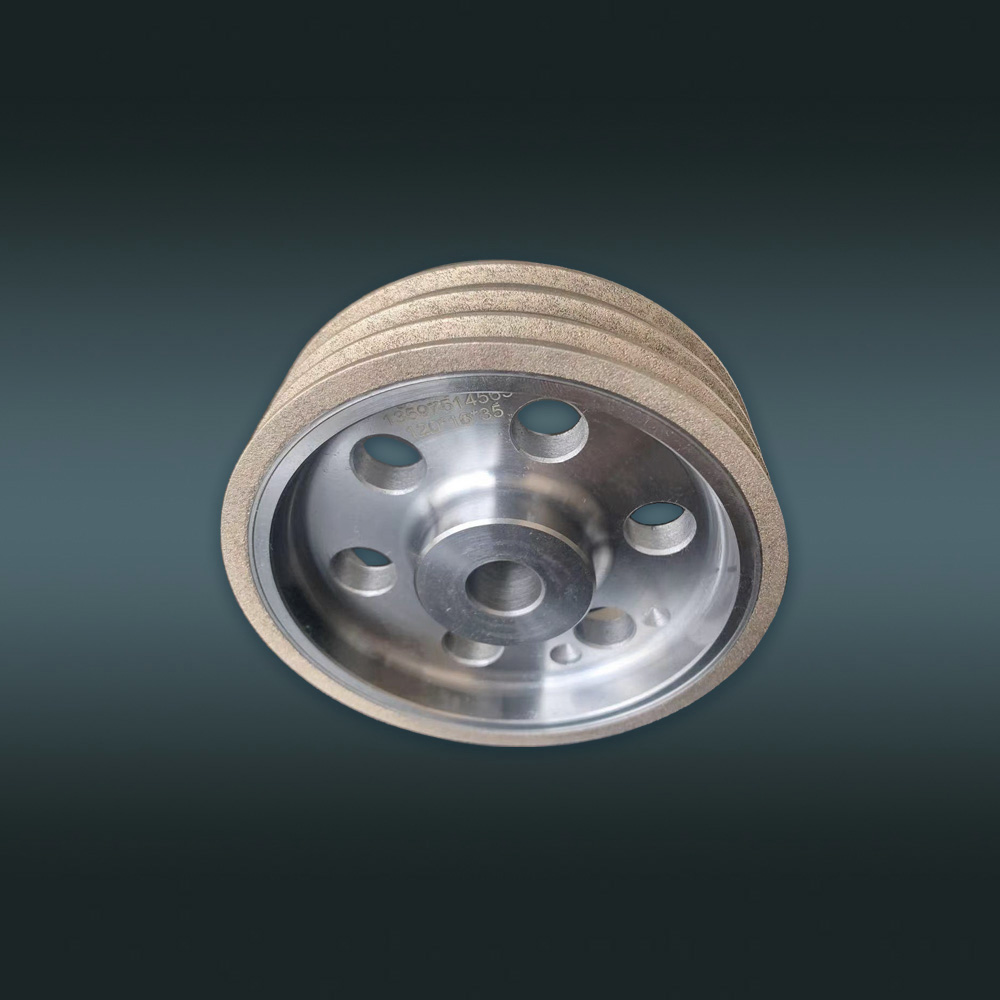
Another significant advantage is the ability of diamond grinding wheels to support high-speed precision machining. Modern CNC grinding machines operate at high spindle speeds and require grinding tools capable of maintaining stable performance. Diamond grinding wheels provide excellent balance, consistent abrasive exposure, and reliable cutting action, allowing manufacturers to achieve high productivity without sacrificing accuracy. This makes them well suited for automated manufacturing environments where repeatability is essential. Diamond grinding wheels are also available in various bond types to meet different machining requirements. Resin bond wheels are commonly used for fine finishing and superior surface quality. Metal bond wheels provide outstanding durability and profile retention for heavy-duty applications. Vitrified bond wheels offer excellent precision and thermal stability, while electroplated and brazed wheels deliver aggressive cutting performance and customized profiles. Selecting the appropriate bond type further enhances machining accuracy for specific materials and production processes.
Customization is another important factor in achieving precise machining results. Diamond grinding wheels can be manufactured with customized grit sizes, abrasive concentrations, wheel geometries, and bond formulations based on the workpiece material and grinding application. This flexibility allows manufacturers to optimize grinding performance for specialized components, reducing machining errors and improving production efficiency. Beyond improving accuracy, diamond grinding wheels also contribute to greater process reliability and lower operating costs. Their long service life, reduced wheel wear, and consistent cutting performance minimize machine downtime and reduce the frequency of tool replacement. Stable grinding performance also decreases scrap rates and improves production yield, making diamond grinding wheels a cost-effective solution for high-precision manufacturing.
In conclusion, diamond grinding wheels play a vital role in improving machining accuracy for ultra-hard materials. Their superior hardness, excellent wear resistance, efficient heat management, and consistent cutting performance enable manufacturers to achieve tight tolerances, outstanding surface finishes, and reliable production results. Whether processing carbide, ceramics, sapphire, semiconductor materials, or advanced composites, high-quality diamond grinding wheels provide the precision and stability required to meet the increasingly demanding standards of modern manufacturing.