How High-Quality Grinding Tools Reduce Production Downtime
High-quality grinding tools are essential components in modern manufacturing systems where efficiency and uptime directly determine production success. In industries such as automotive, aerospace, and metal fabrication, even minor interruptions in grinding operations can lead to costly delays and reduced output, making tool quality a critical factor. One of the main advantages of high-quality grinding tools is their superior durability. These tools are manufactured using advanced abrasive materials and strong bonding systems that allow them to withstand heavy loads and long operating cycles without rapid degradation or failure during production.
Because of this durability, machines require fewer tool changes during operation. Each tool replacement normally causes a temporary shutdown of the production line, so reducing the frequency of replacements directly contributes to minimizing downtime and improving overall workflow efficiency. Another key factor is consistent wear behavior. Low-quality grinding tools often wear unevenly, which can cause instability during operation. This leads to frequent stops for adjustment, recalibration, or replacement, all of which interrupt continuous production and reduce output efficiency.
High-quality grinding tools maintain a stable and predictable wear pattern. This consistency allows operators to run machines for longer periods without interruption, ensuring smoother production cycles and reducing the need for constant monitoring or corrective interventions. Precision is also an important element in reducing downtime. Well-engineered grinding tools are designed with strict manufacturing tolerances, ensuring uniform cutting performance. This helps reduce defective parts, rework rates, and production stoppages caused by quality control issues.
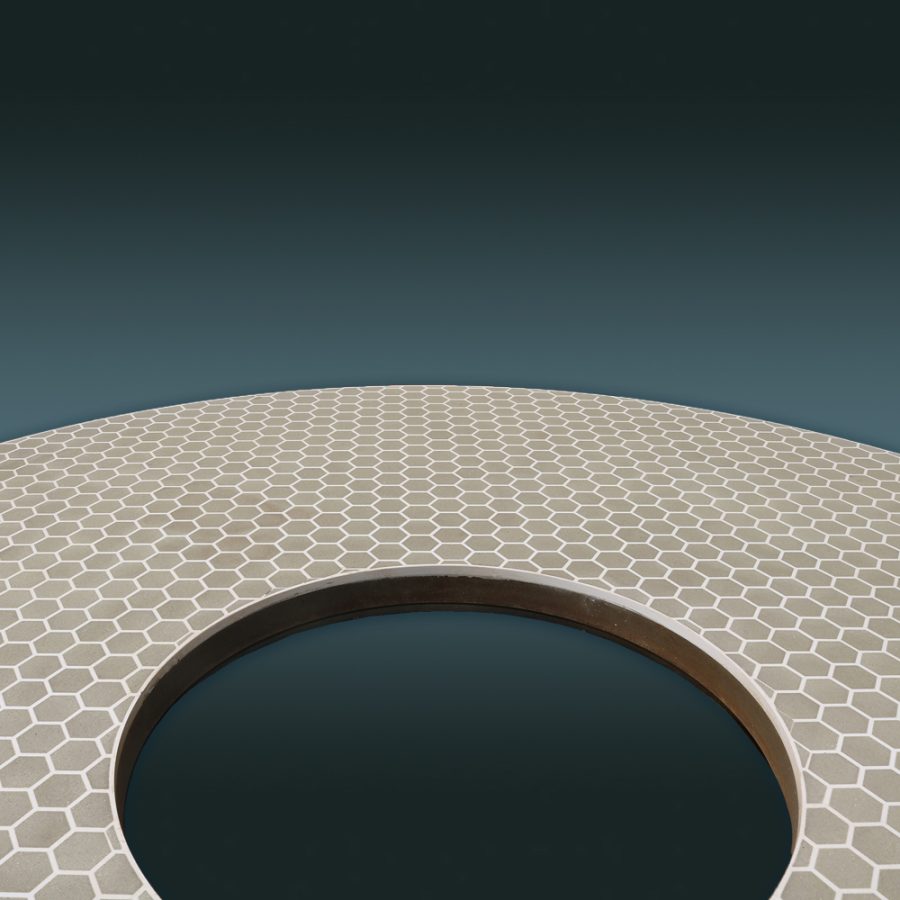
In addition, heat management plays a vital role in tool performance. During grinding, excessive heat can damage both the tool and the workpiece. High-quality grinding tools are designed to dissipate heat efficiently, preventing overheating-related failures that could otherwise halt production. Reduced heat buildup also protects machine components from stress and damage. When grinding tools operate smoothly without excessive friction, the load on the machine decreases, resulting in fewer mechanical failures and less frequent maintenance shutdowns.
Another important benefit is improved machine stability. Poor-quality grinding tools can cause vibration and imbalance during operation, which leads to inconsistent performance and increased wear on machine parts. This instability often results in unexpected downtime. High-quality grinding tools, on the other hand, are precisely balanced and engineered for smooth operation. This reduces vibration, protects machinery, and ensures continuous production without interruptions caused by mechanical instability or excessive wear.
Maintenance requirements are also significantly lower when using high-quality grinding tools. Because they last longer and perform more predictably, maintenance teams can schedule servicing in advance rather than reacting to unexpected tool failures or production disruptions. Finally, investing in high-quality grinding tools improves overall production efficiency and reduces long-term operational costs. Although the initial investment may be higher, the reduction in downtime, maintenance, and defective output results in a more stable, reliable, and cost-effective manufacturing process.