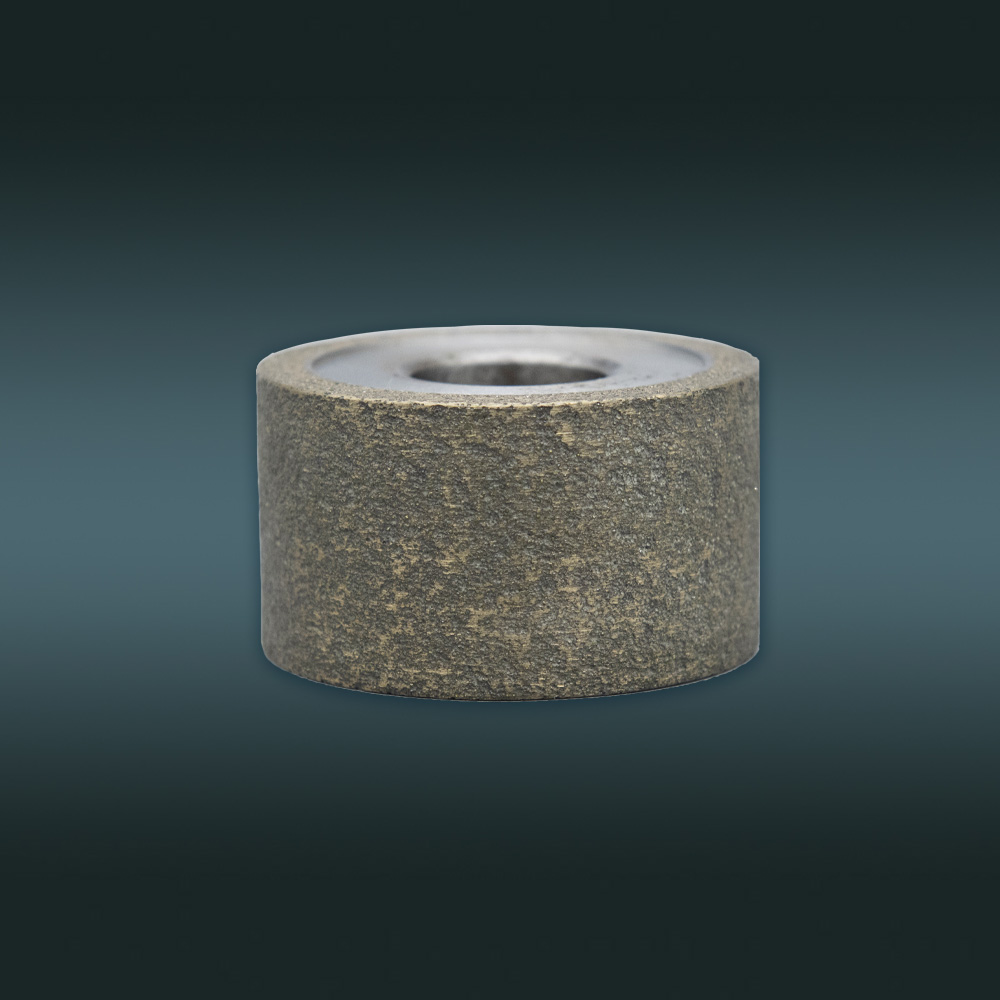
Customizing Diamond Grinding Tools for Your Unique Manufacturing Needs
In modern precision manufacturing, standard grinding tools may not always meet the complex requirements of specialized production processes. Different materials, machine configurations, and product designs often demand highly specific grinding solutions. Customizing diamond grinding tools allows manufacturers to achieve higher accuracy, better efficiency, and improved product quality. By tailoring grinding tools to unique operational needs, companies can optimize their machining processes and maintain a competitive advantage in demanding industries. One of the main reasons for customizing diamond grinding tools is the wide variety of materials used in manufacturing today. Industries such as aerospace, automotive, medical devices, semiconductors, and precision ceramics often work with extremely hard or brittle materials. Each material requires specific grinding characteristics, including the appropriate abrasive concentration, grain size, and bond type. Custom-designed diamond tools ensure that the grinding wheel performs efficiently while minimizing wear and thermal damage.
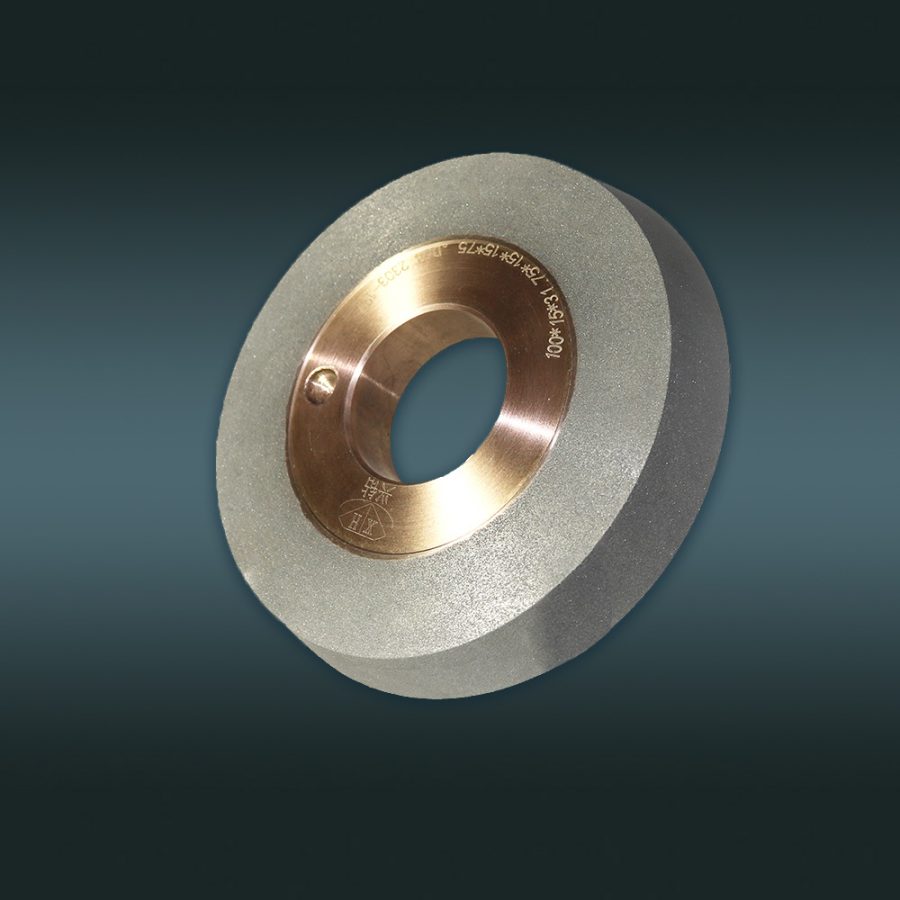
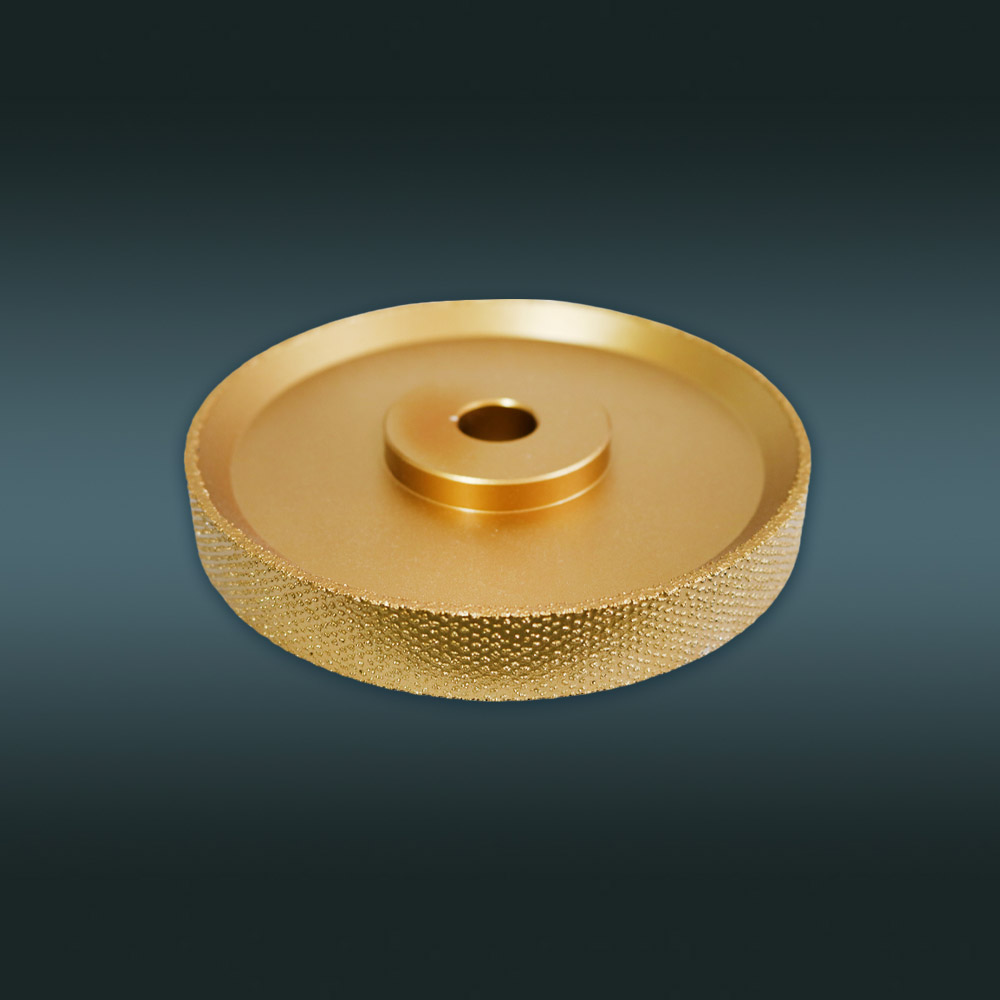
Bond selection is a critical factor when customizing diamond grinding tools. Different bonding systems, such as resin, metal, vitrified, electroplated, or brazed bonds, offer distinct advantages depending on the application. Resin bonds provide excellent surface finishing and flexibility, while metal bonds offer superior durability and shape retention. Vitrified bonds deliver high precision and thermal stability, while electroplated tools allow complex shapes and aggressive cutting performance. Choosing the correct bond type ensures optimal performance for specific grinding conditions. Grit size and abrasive concentration also play a vital role in customization. Coarser grit sizes are typically used for rapid material removal during rough grinding stages, while finer grit sizes produce smoother finishes during precision finishing operations. Adjusting the concentration of diamond abrasives can further optimize the balance between cutting efficiency and tool life. By carefully selecting these parameters, customized tools can significantly improve machining accuracy and surface quality.
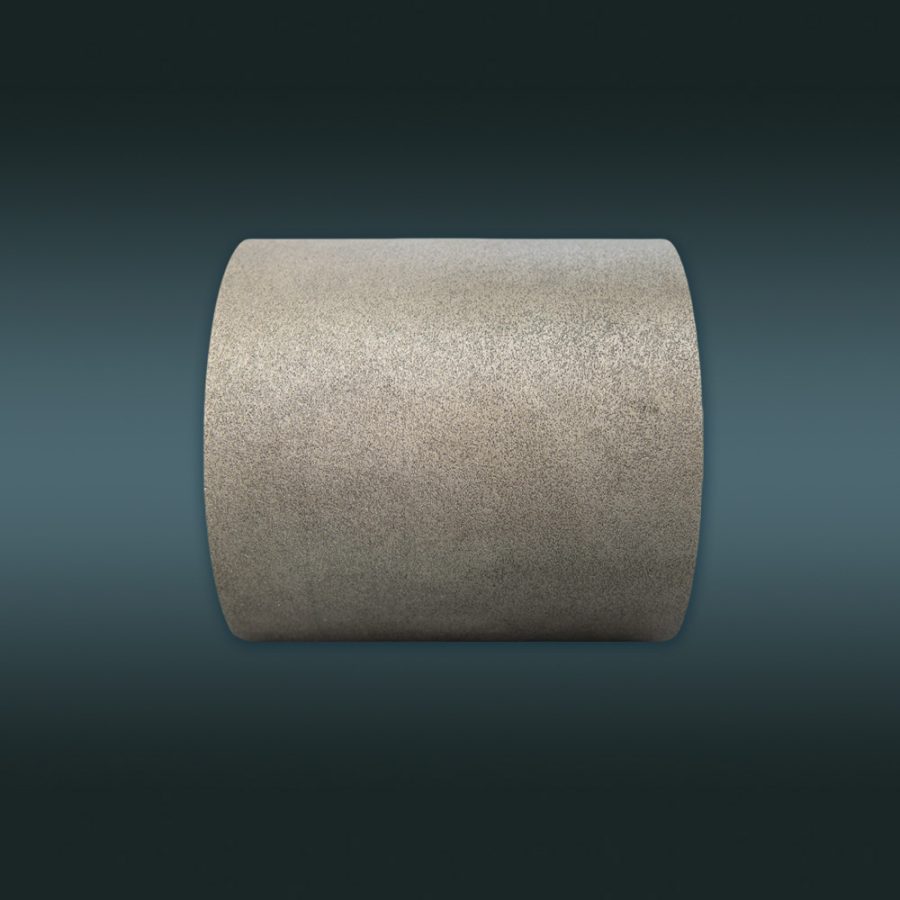
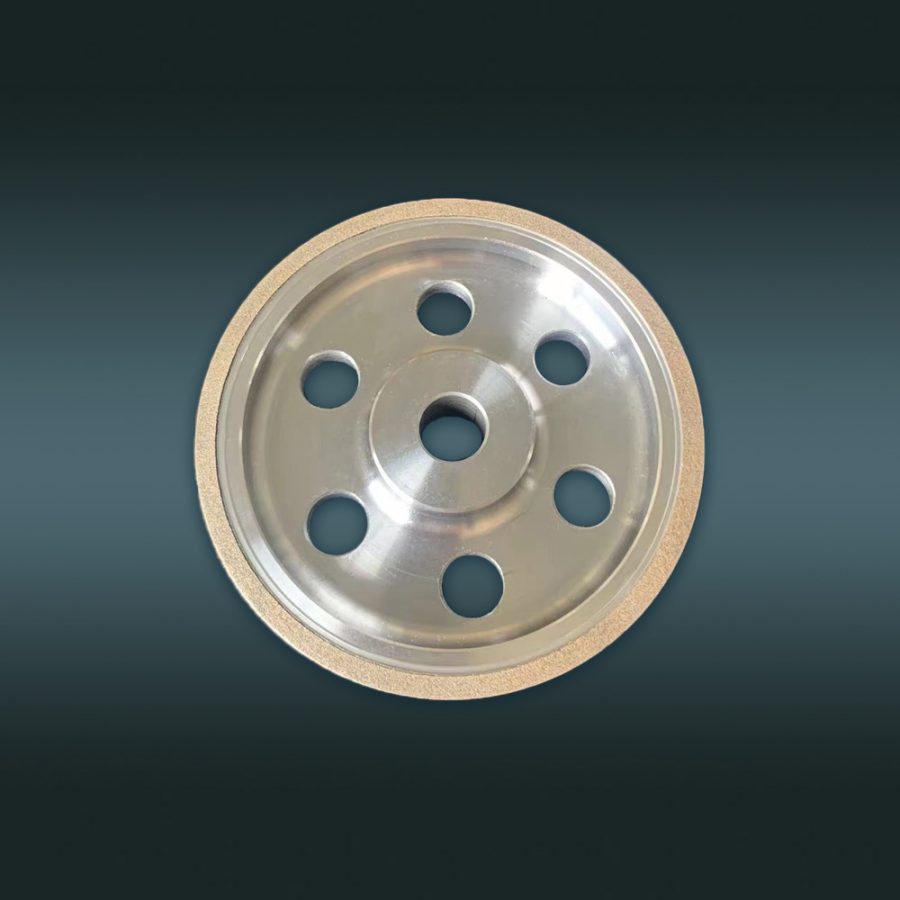
Tool shape and geometry are equally important in customized grinding solutions. Many manufacturing processes require grinding wheels with special profiles, grooves, or edge configurations to match the shape of the work piece. Custom-designed diamond tools can be manufactured in unique forms to achieve precise contours and complex surface features. This is particularly important in mold manufacturing, optical components, and precision tooling where accuracy is essential. Machine compatibility must also be considered during the customization process. Grinding tools must match the specifications of the grinding machine, including spindle speed, mounting system, and operating conditions. Proper compatibility ensures stable performance, minimizes vibration, and improves the overall efficiency of the grinding operation. Customized tools designed specifically for the machine environment help maintain consistent results and reduce equipment wear.
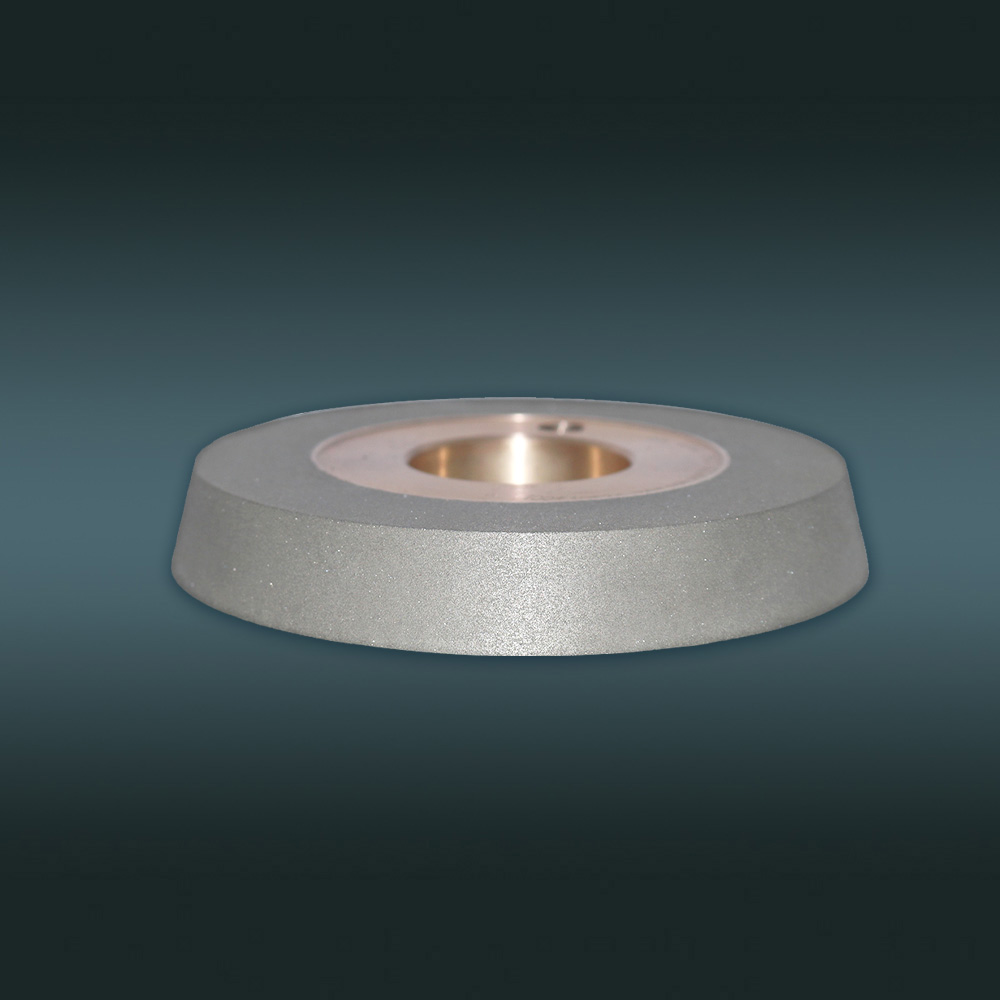
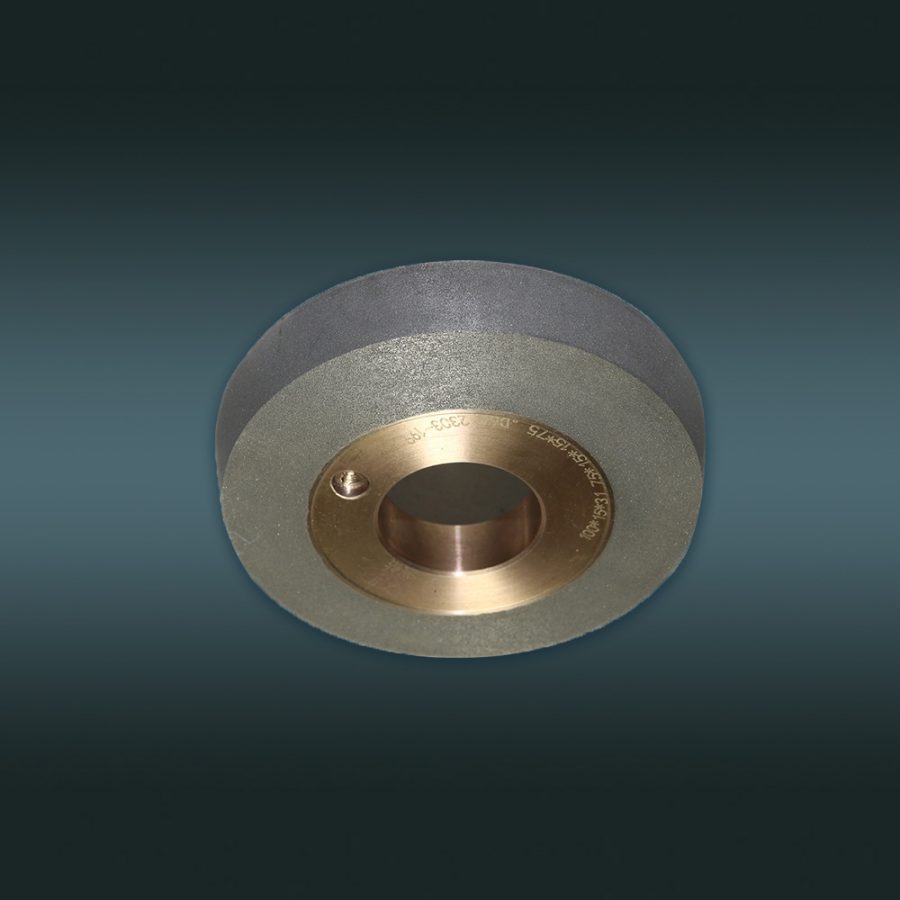
Thermal management is another key consideration when designing customized diamond grinding tools. Excessive heat during grinding can lead to work piece damage, reduced tool life, and decreased accuracy. Customized grinding wheels with optimized bond structures and porosity can improve heat dissipation and chip removal. This helps maintain stable temperatures in the grinding zone, protecting both the tool and the work piece. Customization also allows manufacturers to optimize productivity. By tailoring grinding tools to specific processes, companies can reduce cycle times, improve material removal rates, and minimize tool changes. A well-designed custom tool can perform multiple grinding tasks more efficiently, streamlining production and lowering overall operating costs.
Another advantage of customized diamond grinding tools is improved process consistency. When the grinding tool is precisely designed for the application, it provides stable cutting performance and predictable results. This reduces variations in product quality and simplifies process control, which is especially important in automated production environments and high-precision industries. In conclusion, customizing diamond grinding tools is an effective strategy for addressing unique manufacturing challenges. By optimizing factors such as bond type, grit size, abrasive concentration, tool geometry, and machine compatibility, manufacturers can achieve superior grinding performance and higher production efficiency. Customized solutions not only enhance machining precision but also contribute to long-term productivity and cost savings in advanced manufacturing operations.