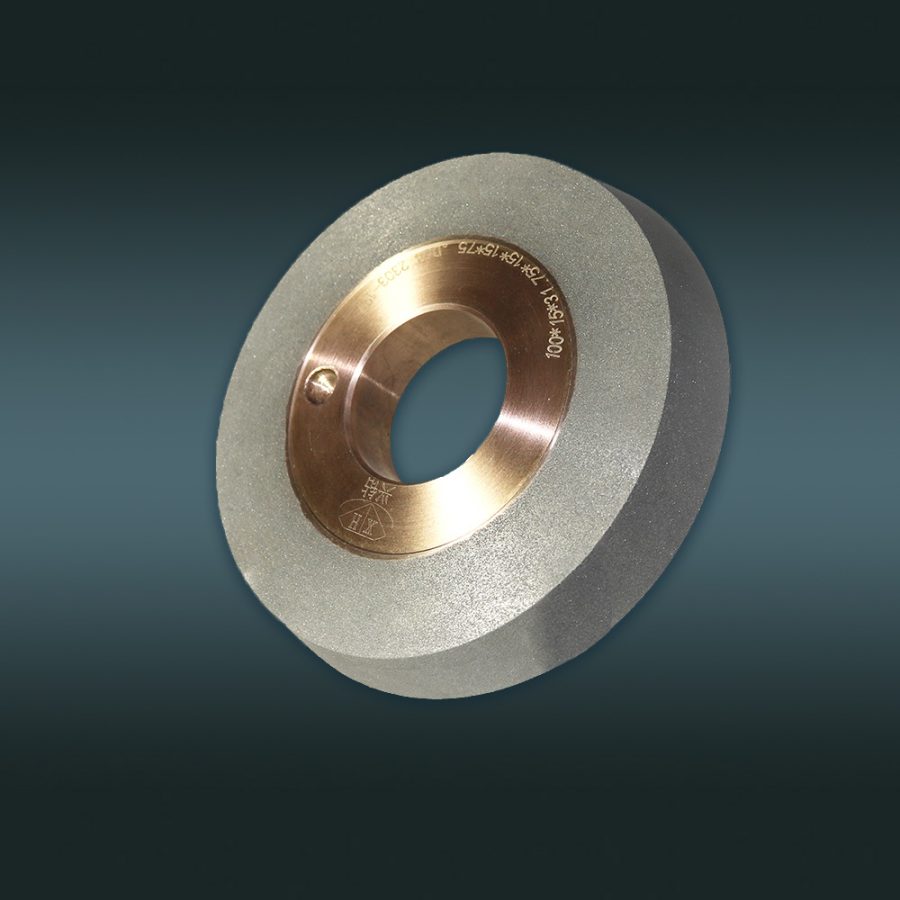
Key Features of Electroplated Grinding Wheels for Medical Device Manufacturing
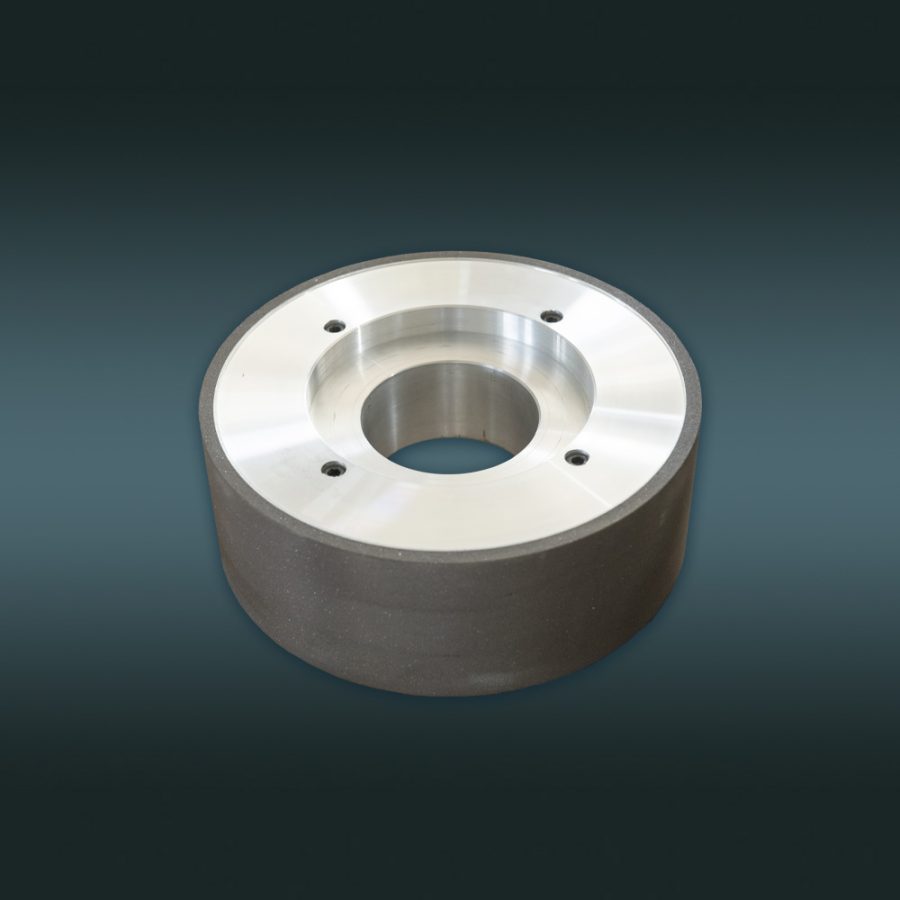
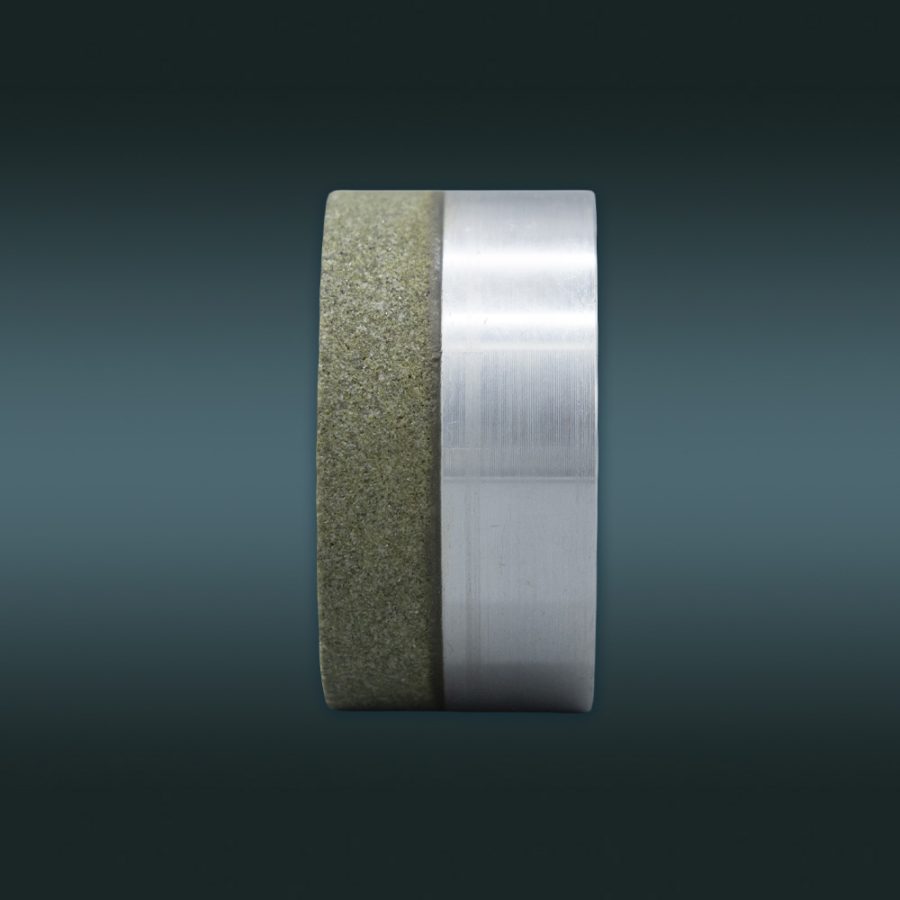
Medical device manufacturing demands extremely high levels of precision, cleanliness, and consistency. Components such as surgical instruments, implants, and micro-scale parts require tight tolerances and flawless surface finishes to ensure safety and performance. Electroplated grinding wheels, especially those using diamond and CBN abrasives, have become a preferred solution in this field due to their unique structure and reliable performance. Their advanced characteristics make them particularly suitable for meeting the strict requirements of medical production. One of the most important features of electroplated grinding wheels is their single-layer abrasive structure. Through an electrochemical process, diamond or CBN grains are firmly bonded onto the tool surface in a controlled and uniform manner. This design ensures that each abrasive grain is fully exposed, providing sharp and efficient cutting action. In medical device manufacturing, where precision is critical, this feature enables accurate material removal and excellent dimensional control.
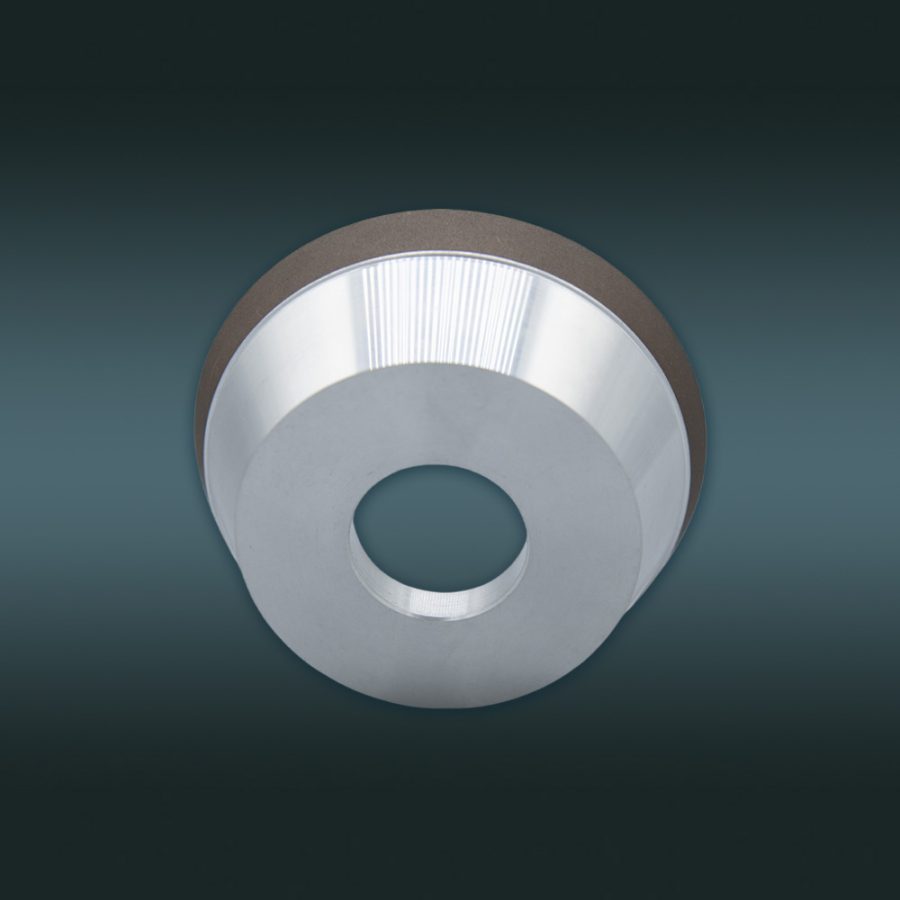
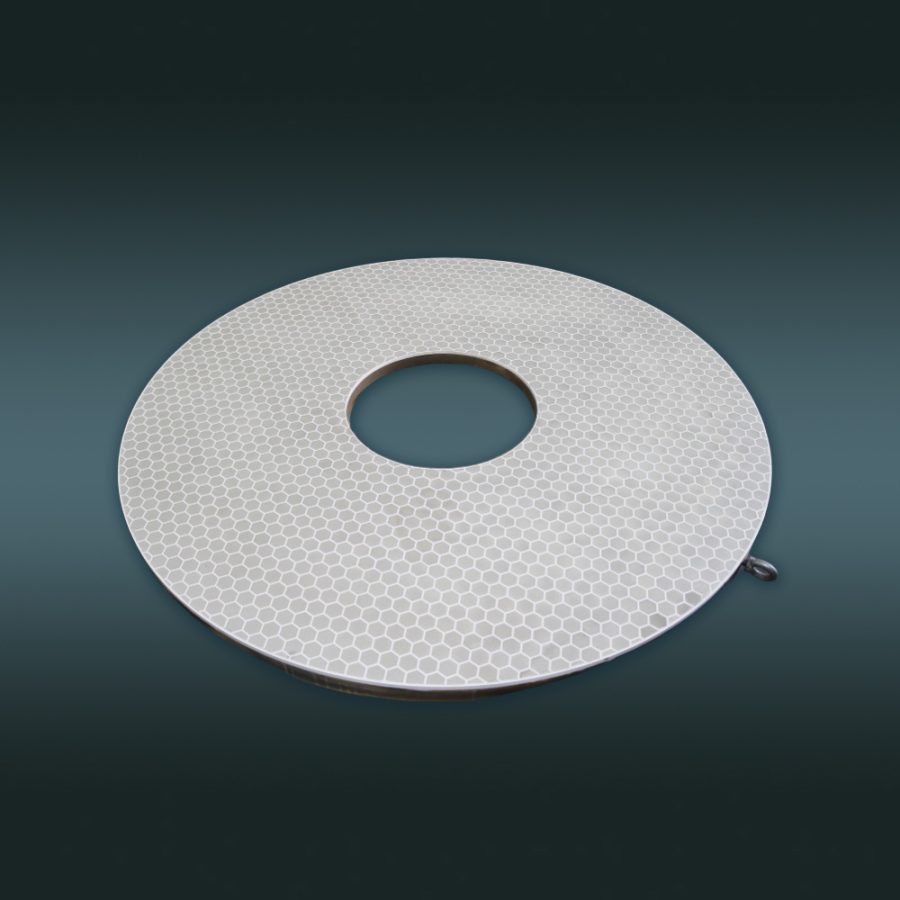
High precision is a defining advantage of electroplated grinding wheels. These tools maintain their exact shape throughout their service life because the abrasive layer does not significantly wear or deform like other bond types. This is especially important when producing intricate medical components such as surgical blades, orthopedic implants, or dental tools, where even the smallest deviation can affect functionality and safety. Another key feature is the ability to create customized tool geometries. Medical devices often require complex shapes, fine edges, and detailed surface profiles. Electroplating technology allows manufacturers to produce grinding wheels in highly specialized forms tailored to specific applications. Whether it is a micro-profile grinding wheel or a uniquely shaped tool for precision cutting, electroplated solutions provide unmatched flexibility in design.
Electroplated grinding wheels also offer superior cutting efficiency. The exposed abrasive grains enable aggressive yet controlled material removal, reducing grinding time and improving productivity. This is particularly beneficial in high-volume medical manufacturing, where efficiency must be balanced with strict quality standards. Faster processing without compromising accuracy leads to cost savings and increased output. Heat control is another critical factor in medical device production, especially when working with sensitive materials such as stainless steel, titanium alloys, or cobalt-chromium. Electroplated grinding wheels feature an open structure that allows efficient chip removal and coolant flow. This helps reduce heat buildup during grinding, minimizing the risk of thermal damage, discoloration, or microstructural changes in the material.
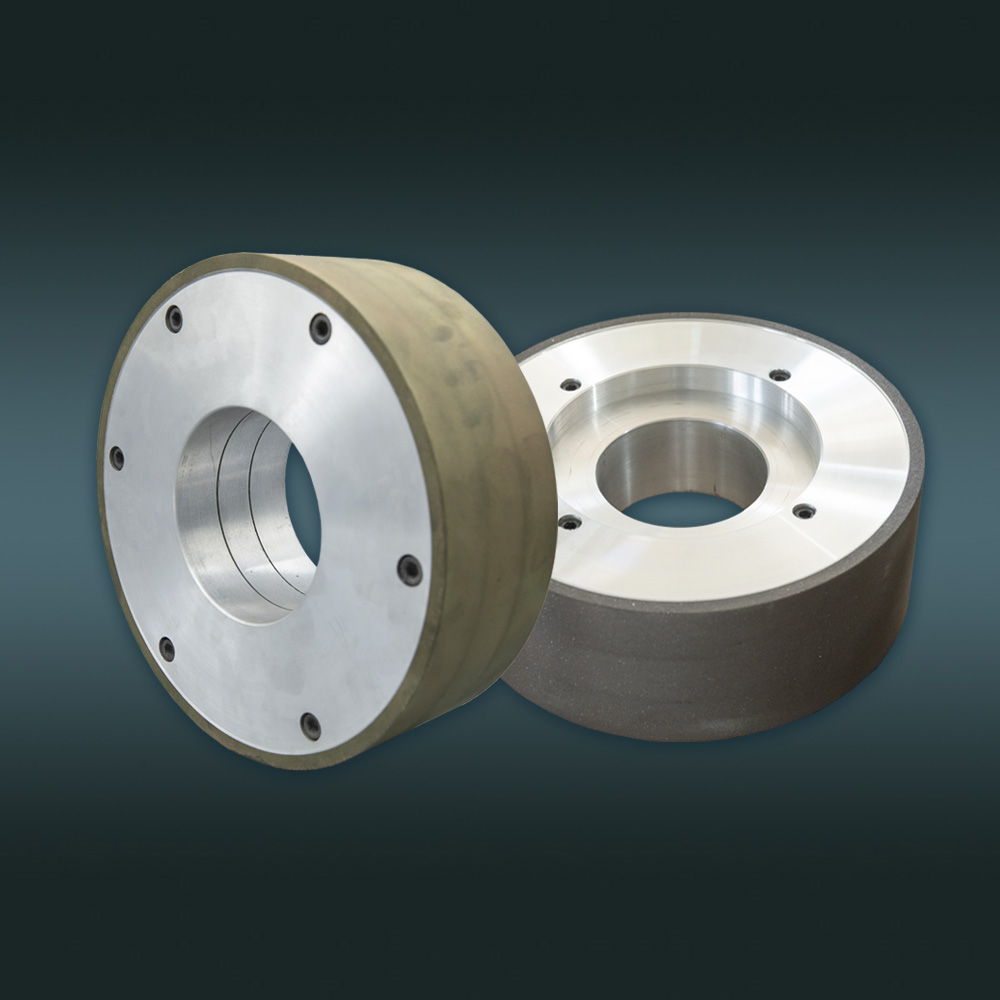
Surface quality is essential for medical components, as rough or defective surfaces can lead to contamination or reduced performance. Electroplated grinding wheels provide consistent and smooth finishes due to their uniform abrasive distribution. This ensures that components meet strict hygiene and performance standards, reducing the need for additional polishing or finishing processes. Durability and reliability are also important features. The strong bond created during electroplating securely holds the abrasive grains in place, allowing the tool to perform consistently under demanding conditions. Although electroplated wheels typically have a single abrasive layer, their stable performance and predictable wear characteristics make them highly reliable for precision applications.
Another advantage is process stability. Electroplated grinding wheels generate consistent cutting forces and minimal vibration, which is crucial for maintaining accuracy in delicate medical components. Stable grinding conditions help reduce defects and ensure repeatable results, particularly in automated or CNC-controlled manufacturing environments. In conclusion, electroplated grinding wheels offer a combination of precision, customization, efficiency, and reliability that makes them ideal for medical device manufacturing. Their unique structure, excellent heat control, and ability to deliver consistent surface quality ensure that they meet the strict demands of the medical industry. As the need for advanced and high-precision medical devices continues to grow, electroplated grinding technology will remain an essential solution for achieving superior manufacturing performance.