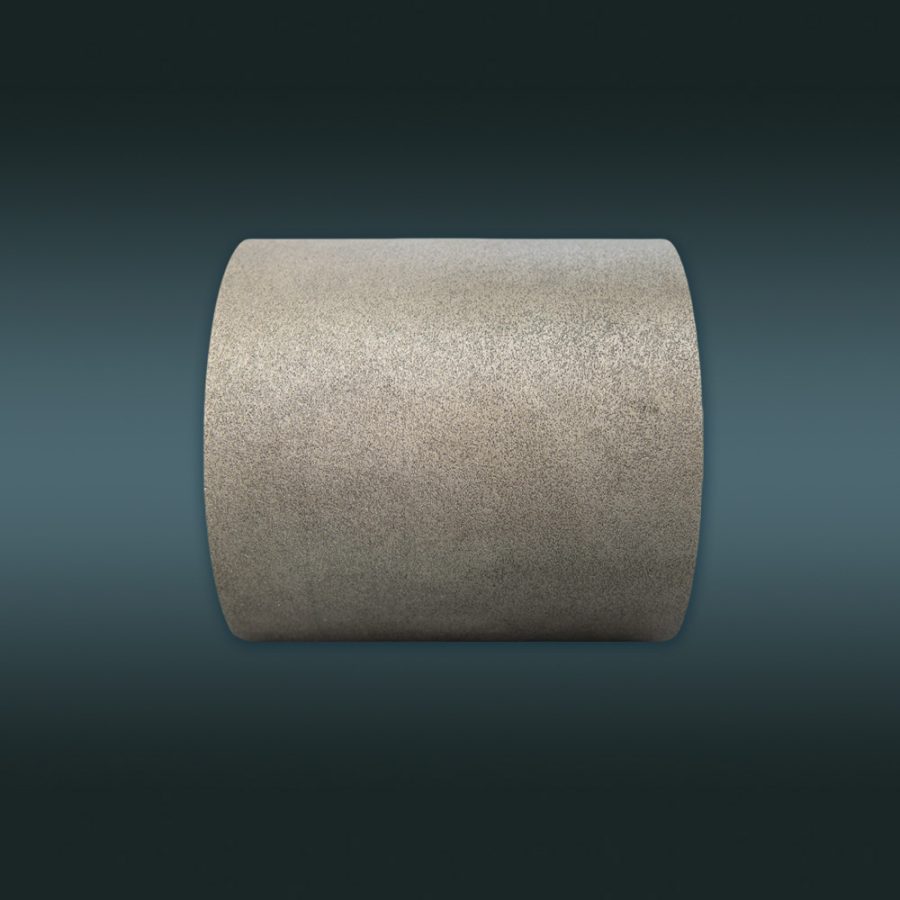
Future Trends in Superhard Material Tools: What’s Next for Diamond and CBN Grinding Wheels?
The global manufacturing landscape is rapidly evolving, driven by higher precision requirements, advanced materials, and the push for sustainability. As a result, diamond and CBN (cubic boron nitride) grinding wheels are also undergoing significant transformation. These superhard tools, already known for their superior hardness and durability, are entering a new era defined by innovation, digitalization, and customization. Understanding future trends helps manufacturers stay competitive and adapt to next-generation production demands. One of the most important trends shaping the future of diamond and CBN grinding wheels is the growing demand for sustainability. Manufacturers are increasingly adopting eco-friendly materials, low-emission production processes, and recyclable components to reduce environmental impact. The industry is also moving toward longer-lasting grinding wheels, which reduce waste and improve resource efficiency. In fact, eco-friendly grinding solutions and recyclable materials are becoming key development priorities across the sector .
Another major trend is the integration of smart technology and digitalization. With the rise of Industry 4.0, grinding wheels are no longer just consumable tools—they are becoming part of intelligent manufacturing systems. Advanced grinding wheels are now being developed with embedded sensors that can monitor wear, temperature, and performance in real time. This enables predictive maintenance, reduces downtime, and improves overall process efficiency . Automation is also playing a critical role in shaping the future of superhard grinding tools. As more factories adopt robotic and CNC-based grinding systems, the demand for grinding wheels compatible with automated processes continues to grow. These tools are designed to deliver consistent performance under high-speed, high-precision conditions, supporting mass production with minimal human intervention. The increasing adoption of automation is significantly influencing product design and performance standards .
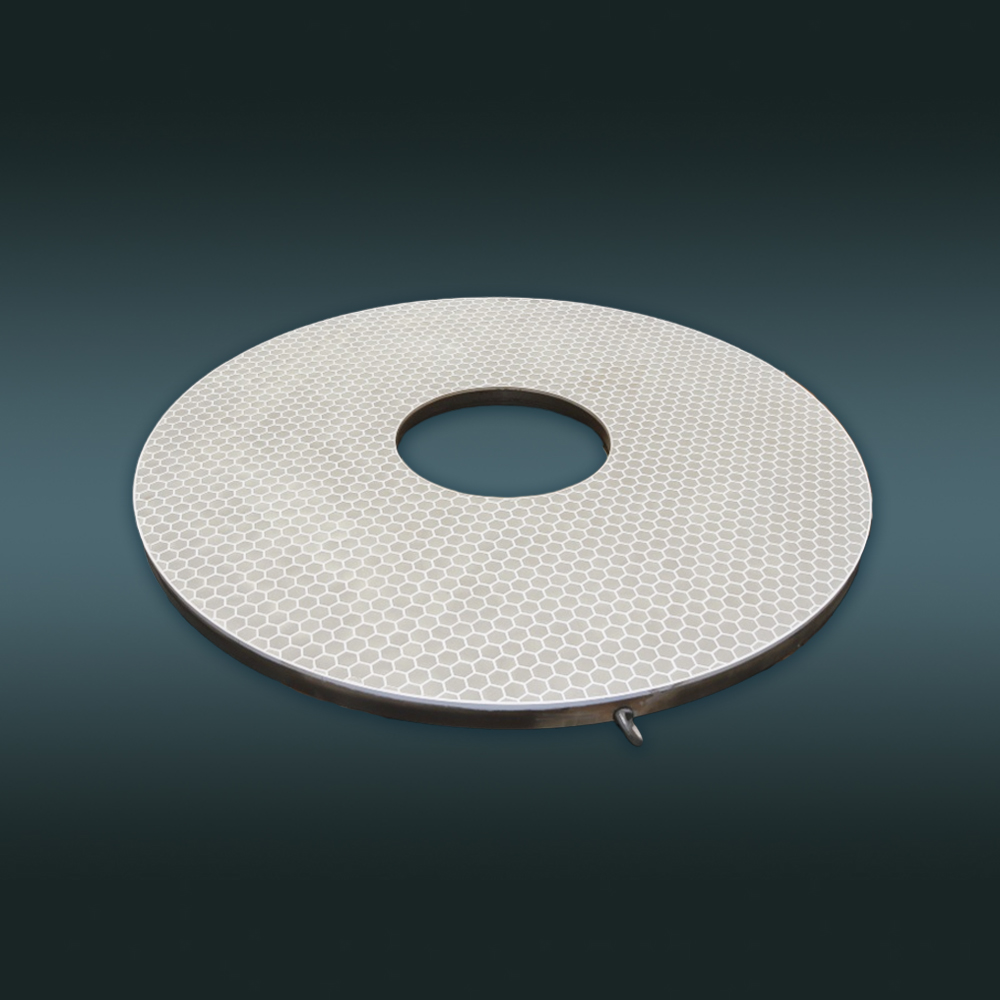
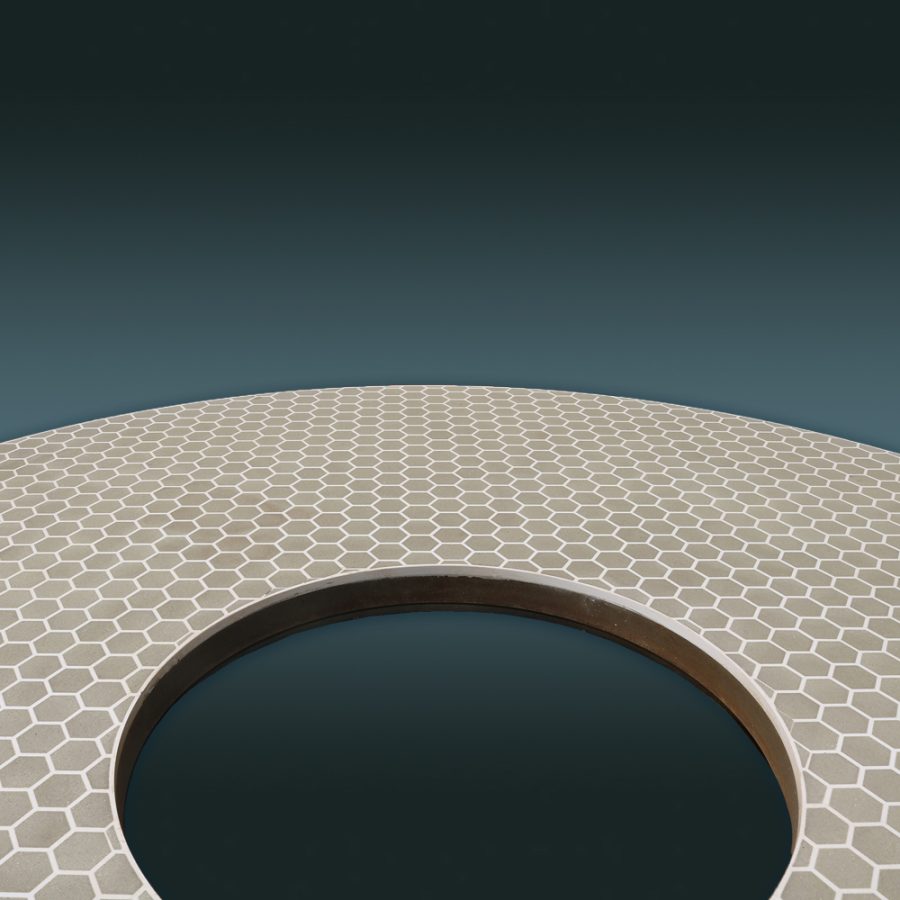
Material innovation is another key driver of future development. While diamond and CBN remain the dominant superabrasives, advancements in bonding technologies and hybrid materials are enhancing their performance. New bond systems—such as hybrid bonds combining the strengths of metal and vitrified structures—are improving heat resistance, cutting efficiency, and surface finish. These innovations allow grinding wheels to handle increasingly complex and hard-to-machine materials like superalloys, ceramics, and composites . Customization is becoming more important than ever. Modern manufacturing often requires highly specialized solutions tailored to specific materials, machines, and applications. As a result, the demand for customized diamond and CBN grinding wheels is rising rapidly. Manufacturers are shifting from standardized products to application-specific designs that deliver optimal performance, precision, and cost efficiency .
Another emerging trend is the development of high-speed and high-efficiency grinding solutions. New-generation grinding wheels are engineered to operate at higher speeds while maintaining stability and accuracy. These tools significantly increase material removal rates and reduce cycle times, helping manufacturers boost productivity. Recent advancements have demonstrated notable improvements in efficiency and surface quality, particularly in aerospace and automotive applications . The expansion of high-tech industries is also driving demand for advanced superhard tools. Sectors such as semiconductors, electric vehicles, medical devices, and aerospace require extremely high precision and surface quality. Diamond and CBN grinding wheels are essential in these industries for processing advanced materials and maintaining tight tolerances. As these industries continue to grow, the demand for high-performance grinding solutions will increase accordingly .
In addition, there is a growing focus on energy efficiency in grinding operations. Manufacturers are developing tools and processes that reduce energy consumption while maintaining high performance. Improved grinding efficiency not only lowers operational costs but also supports global sustainability goals. Energy-efficient grinding systems are expected to become a standard requirement in the future manufacturing environment . Digital twins and AI-driven optimization are also beginning to influence the grinding industry. By analyzing real-time data from grinding operations, manufacturers can optimize process parameters, improve tool performance, and reduce defects. Artificial intelligence is enabling smarter decision-making and more adaptive grinding processes, further enhancing the capabilities of diamond and CBN tools.
In conclusion, the future of diamond and CBN grinding wheels is being shaped by sustainability, smart technology, automation, material innovation, and customization. As manufacturing becomes more advanced and demanding, superhard grinding tools will continue to evolve to meet new challenges. Companies that embrace these trends will be better positioned to achieve higher efficiency, precision, and competitiveness in the rapidly changing industrial landscape.