Key Differences Between Single-Layer and Multi-Layer Grinding Wheels
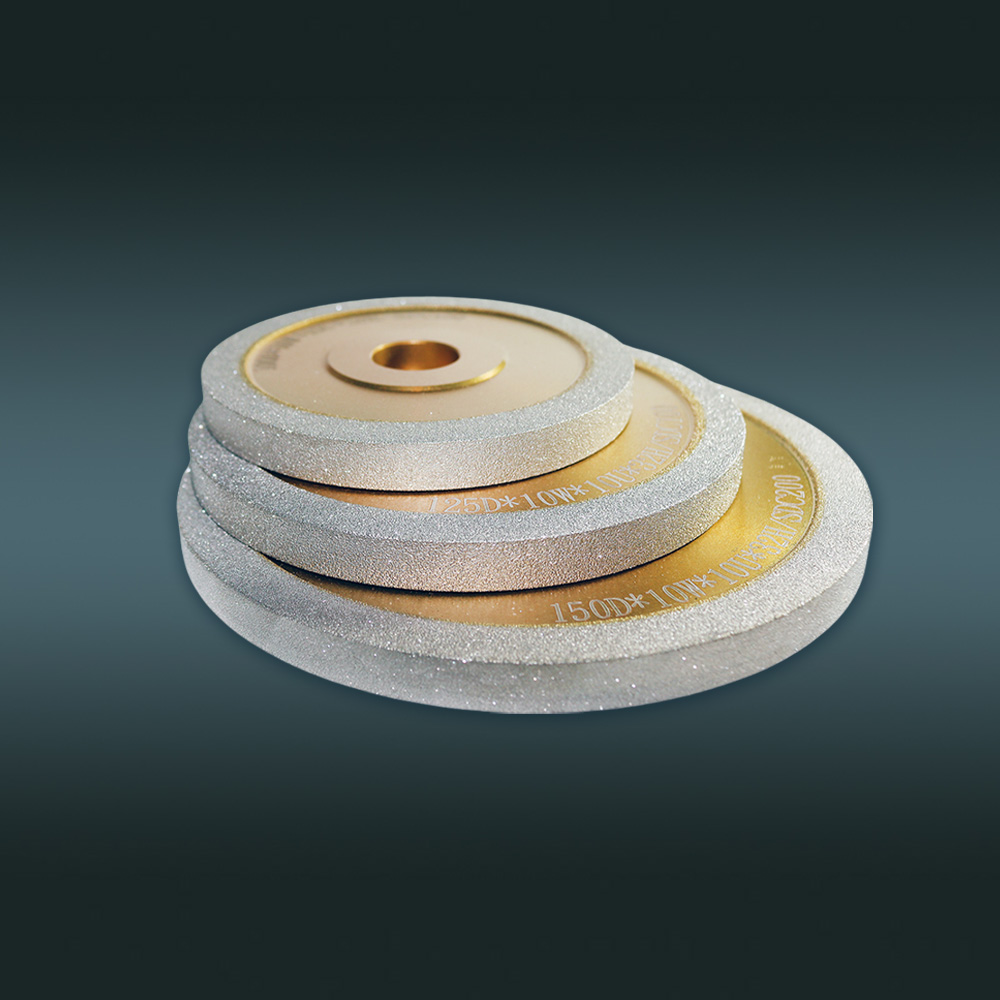
Grinding wheels are essential tools in precision manufacturing, and their structure plays a critical role in determining performance, durability, and application suitability. One of the most important structural distinctions is between single-layer and multi-layer grinding wheels. These two types differ significantly in how abrasive grains are arranged and bonded, which directly impacts cutting behavior, tool life, and overall efficiency. Understanding these differences helps manufacturers choose the most appropriate solution for their specific grinding needs. Single-layer grinding wheels, often associated with electroplated or brazed tools, feature a single layer of abrasive grains bonded to the surface of the wheel. In this design, diamond or CBN particles are firmly fixed in place, with a high level of exposure. This means that each grain actively participates in the cutting process, resulting in sharp and aggressive grinding performance from the very beginning of operation.
One of the main advantages of single-layer grinding wheels is their high cutting efficiency. Because the abrasive grains are fully exposed, they can remove material quickly with minimal resistance. This makes single-layer wheels particularly suitable for applications requiring high material removal rates, such as rough grinding, profiling, or machining hard materials like carbide, ceramics, and composites. Another important feature of single-layer grinding wheels is their ability to maintain precise shapes. Since the abrasive layer does not change significantly during use, the wheel retains its original profile throughout its service life. This makes them ideal for grinding complex geometries, intricate contours, or customized shapes where dimensional accuracy is critical. Industries such as aerospace, medical device manufacturing, and mold production often rely on this capability.
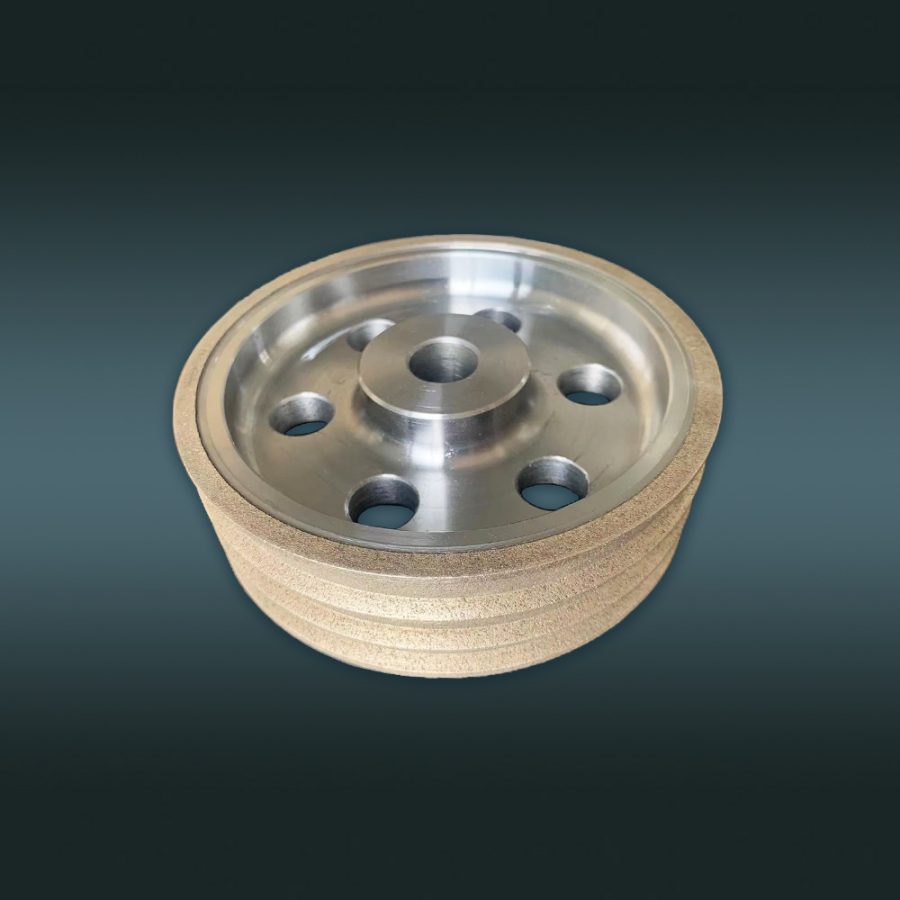
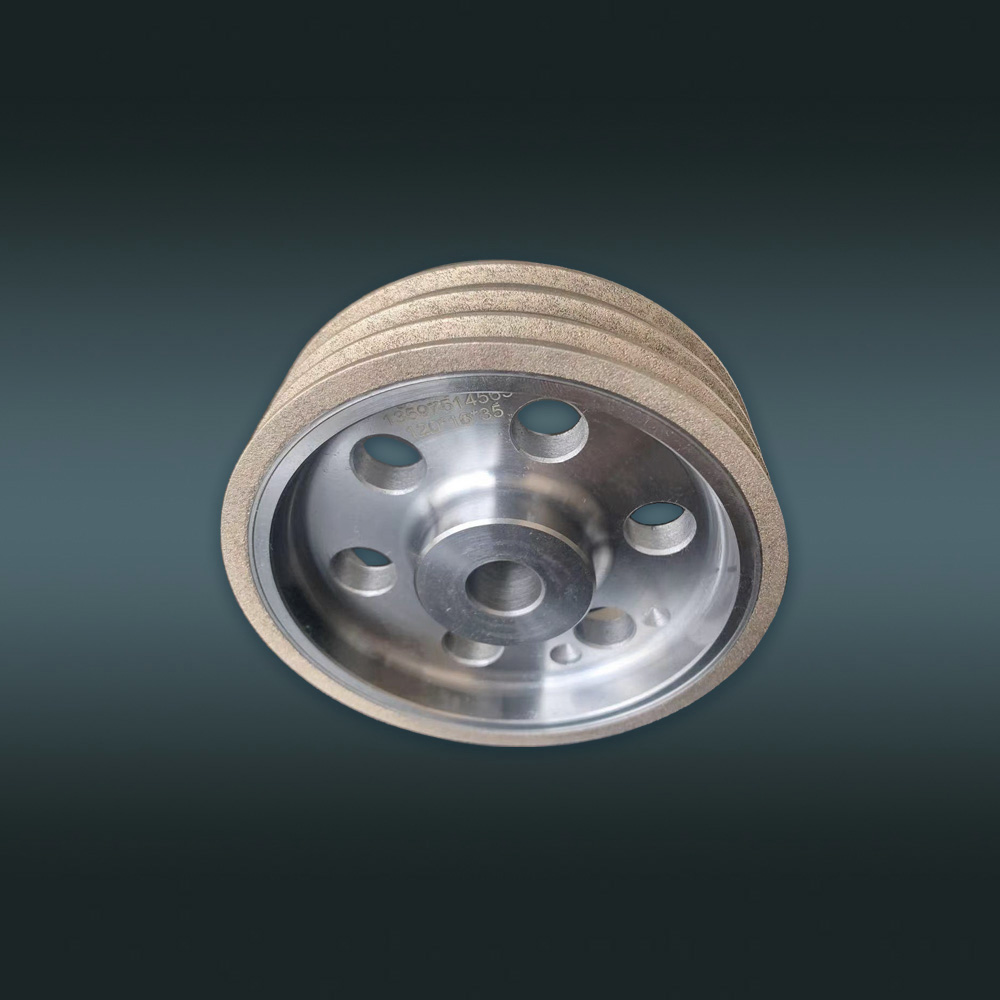
However, single-layer grinding wheels also have limitations. Because they only have one abrasive layer, they cannot be dressed or reconditioned once the abrasive grains are worn out. When the cutting edges become dull, the entire tool must be replaced. This can lead to higher replacement frequency in certain applications, especially where continuous grinding is required. In contrast, multi-layer grinding wheels consist of multiple layers of abrasive grains embedded within a bonding material such as resin, metal, or vitrified bonds. As the outer layer of abrasive grains wears away, new sharp grains are gradually exposed from beneath. This self-renewing structure allows the wheel to maintain cutting ability over a longer period.
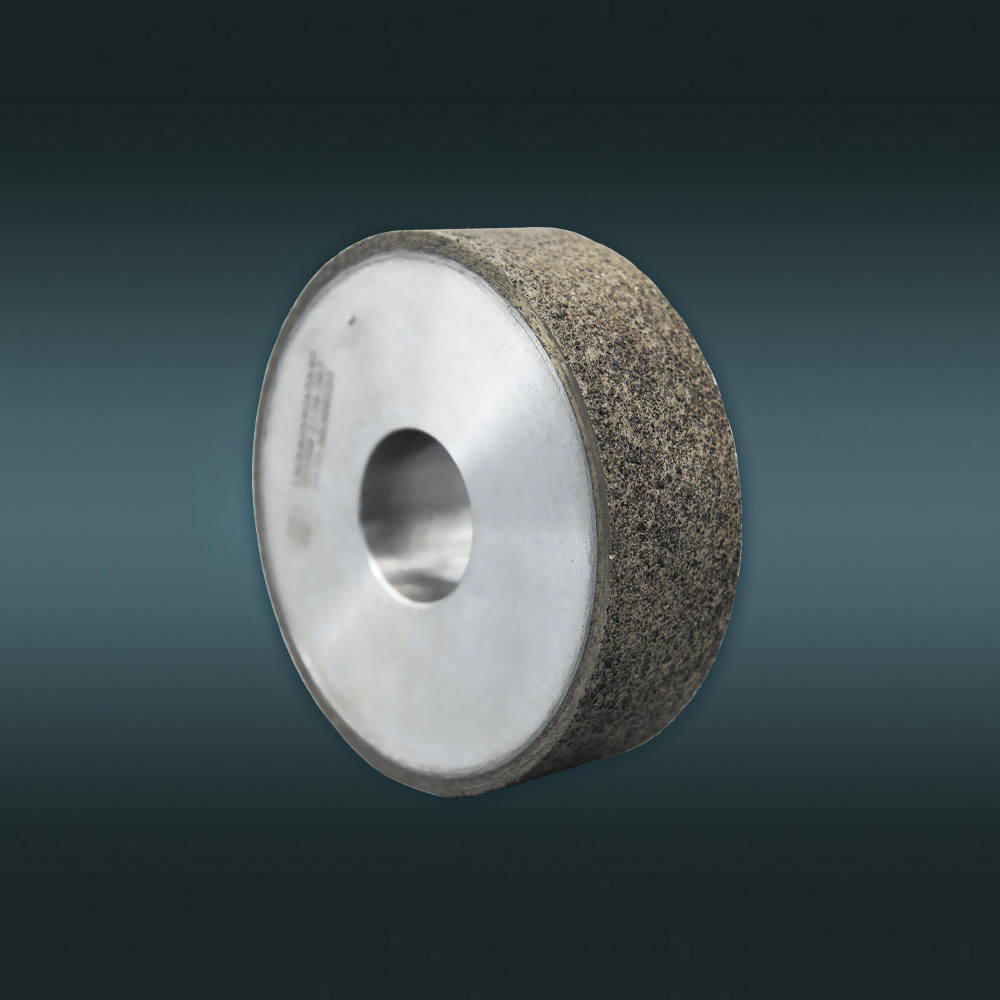
One of the key advantages of multi-layer grinding wheels is their extended service life. Because new abrasive grains are continuously revealed during operation, these wheels can be used for longer periods compared to single-layer tools. This reduces the need for frequent replacements and contributes to lower long-term operating costs, particularly in high-volume production environments. Multi-layer grinding wheels also offer greater versatility. By adjusting bond type, grit size, and abrasive concentration, they can be optimized for different grinding stages, from rough machining to fine finishing. Resin bond wheels are often used for smooth finishes, while metal and vitrified bonds provide durability and precision for more demanding applications. This flexibility makes multi-layer wheels suitable for a wide range of industries and materials.
Another advantage is the ability to dress multi-layer grinding wheels. Dressing restores the wheel’s cutting performance by removing dull grains and exposing fresh ones, as well as correcting the wheel profile. This feature allows operators to maintain consistent grinding quality and extend tool usability, which is not possible with single-layer designs. When comparing performance, single-layer grinding wheels excel in precision, sharpness, and customization, while multi-layer grinding wheels are known for durability, longevity, and adaptability. Single-layer wheels are often chosen for specialized or high-precision tasks, whereas multi-layer wheels are preferred for general-purpose grinding and long production runs.
In conclusion, the choice between single-layer and multi-layer grinding wheels depends on specific application requirements, including material type, production volume, precision needs, and cost considerations. Single-layer wheels provide unmatched sharpness and accuracy for specialized tasks, while multi-layer wheels offer longer service life and versatility for broader applications. By understanding these key differences, manufacturers can select the most effective grinding solution to optimize performance and efficiency in modern manufacturing processes.